Est. 1815 · Charles Bulfinch architectural attribution · Site of the 1818 Rebellion (mass sophomore expulsion) · Site of 1969 anti-Vietnam War student takeover · Adjacent to Harvard Slavery Memorial (2022) · National Historic Landmark
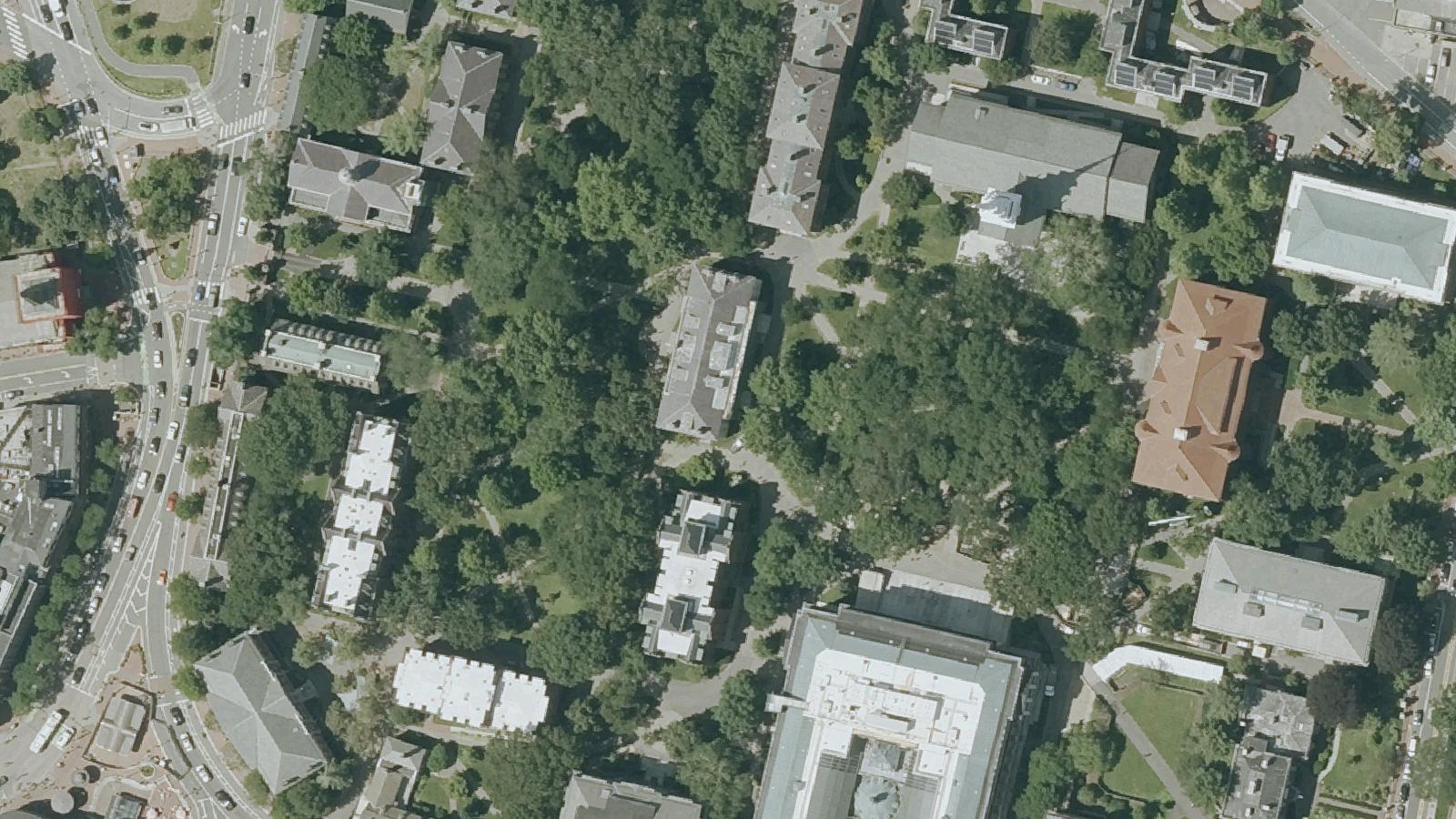
University Hall was designed by Charles Bulfinch (architect of the Massachusetts State House and the U.S. Capitol) and completed in 1815. The granite Greek Revival building anchors the center of Harvard Yard between Memorial Church and Widener Library and originally combined faculty offices on the lower floor with four large dining halls on the upper floor — Harvard's first dedicated commons. The dining halls were divided by class year to enforce social separation among students. The building's chapel space was added in 1842.
The 'Rebellion of 1818' originated in the University Hall dining halls. A complaint about food quality escalated into a mass food fight that resulted in the expulsion of nearly half the sophomore class, including the cohort that contained Ralph Waldo Emerson (though Emerson himself was not expelled and graduated in 1821). The episode is one of the better-documented incidents of early 19th-century American collegiate disorder.
During the April 1969 anti-Vietnam War protests, Students for a Democratic Society (SDS) members occupied University Hall and physically removed the dean and other administrators. Harvard President Nathan Pusey ordered Massachusetts State Police to clear the building; police entered before dawn on April 10, 1969 and forcibly removed approximately 200 students, an event that catalyzed an extended Harvard student strike.
In 2022, sculptor Martin Puryear's Harvard Slavery Memorial was installed adjacent to University Hall. Designed as a large partially embedded ball-and-chain form, the memorial acknowledges Harvard's documented institutional connections to slavery — including the labor of enslaved people who worked at Wadsworth House under Harvard presidents — and the wealth that the transatlantic slave trade brought to many of Harvard's early benefactors. The Harvard & the Legacy of Slavery Initiative continues to research and memorialize this history.
University Hall is a National Historic Landmark and a contributing structure to the Harvard Yard Historic District. It currently houses the Faculty of Arts and Sciences administration.
Sources
- https://news.harvard.edu/gazette/story/2014/10/harvards-haunted-houses/
- https://www.thecrimson.com/article/2023/10/29/ghosts-at-harvard/
- https://www.boston.com/uncategorized/noprimarytagmatch/2012/10/22/nine-ghost-stories-in-haunted-cambridge/
- https://legacyofslavery.harvard.edu/memorial-project/
- https://harvardindependent.com/harvard-ghost-stories/
- https://www.thecrimson.com/article/2019/2/7/1818-food-fight/
Disembodied dinner-party sounds at the southwest doorAudio imprint of the 1818 Rebellion food fight
The principal University Hall ghost story is what folklorists would describe as an audio 'residual haunting' — an event-imprint rather than an intelligent apparition. According to the Harvard Gazette's 2014 'Haunted Houses' feature and the 2012 Boston.com haunted Cambridge article, the food fight that became the 'Rebellion of 1818' is said to have left an audible imprint at the building's southwest door. Witnesses through the 19th and 20th centuries reportedly described hearing voices, clattering, and the rumble of a large dinner gathering when the building was otherwise empty.
The Harvard Crimson's 2023 Campus Ghost Tour confirms the lore and notes that 'students reported hearing voices from the food fight' decades after the event. The Harvard Gazette specifically cites reports continuing into the 1960s.
The legend is unusual in being tied to a single, well-documented historical incident — the Rebellion of 1818, which is corroborated by university records — rather than to a named individual ghost. The building's documented former use as Harvard's first dedicated dining commons (where the food fight occurred) gives the lore an architectural anchor.
The lore is independent of the building's adjacent Slavery Memorial; the memorial's historical content concerns Harvard's connection to enslaved labor and is handled by the university as institutional history rather than as paranormal subject matter.
Notable Entities
Unidentified 1818 Rebellion participants (residual)