Est. 1930 · One of Harvard's original residential Houses (1930) · Named for the Lowell family of Boston Brahmins · Site of returned Russian Orthodox Lowell House Bells (1930–2008) · Long tenure of House Master Elliott Perkins (1940–1963)
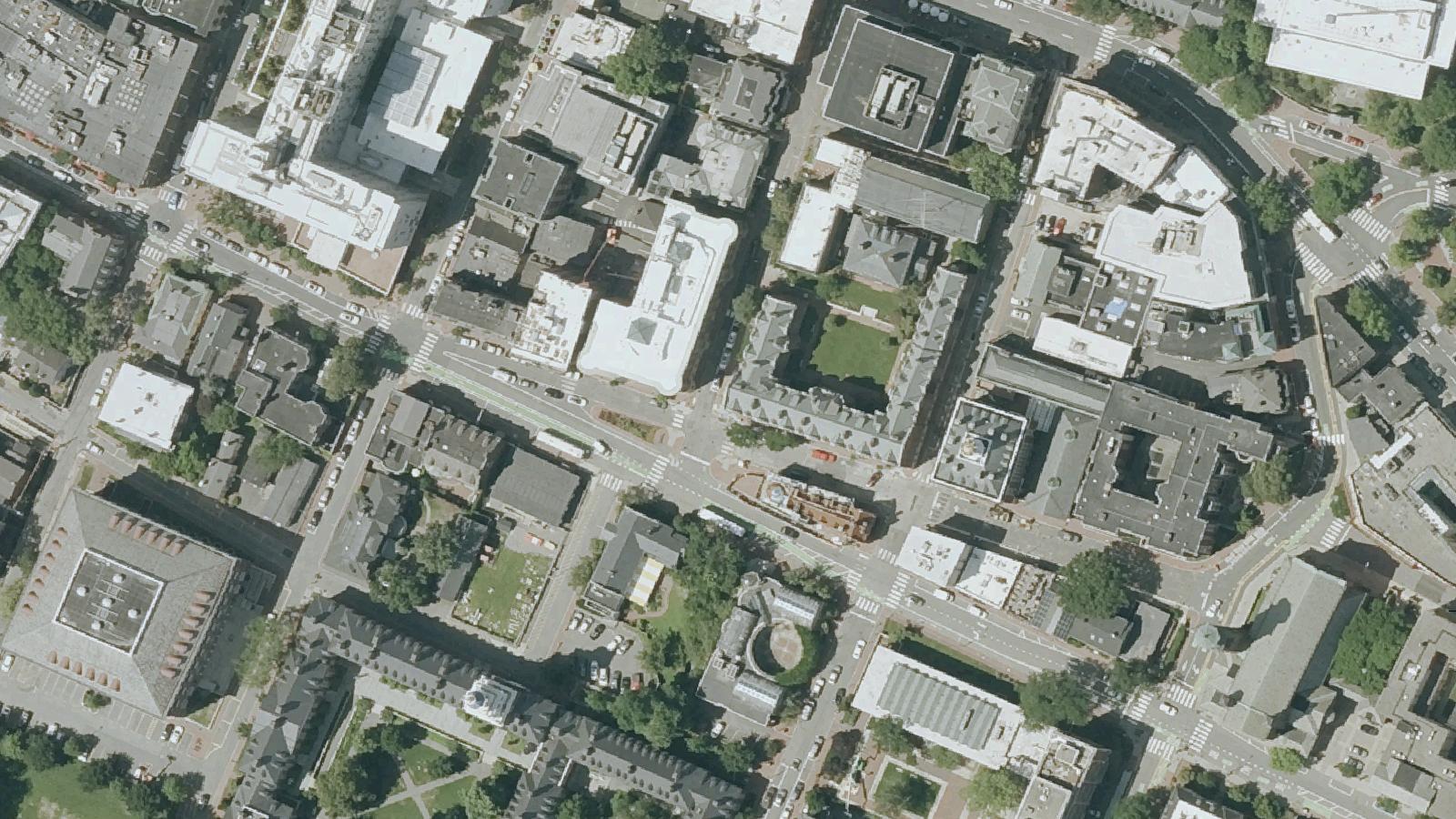
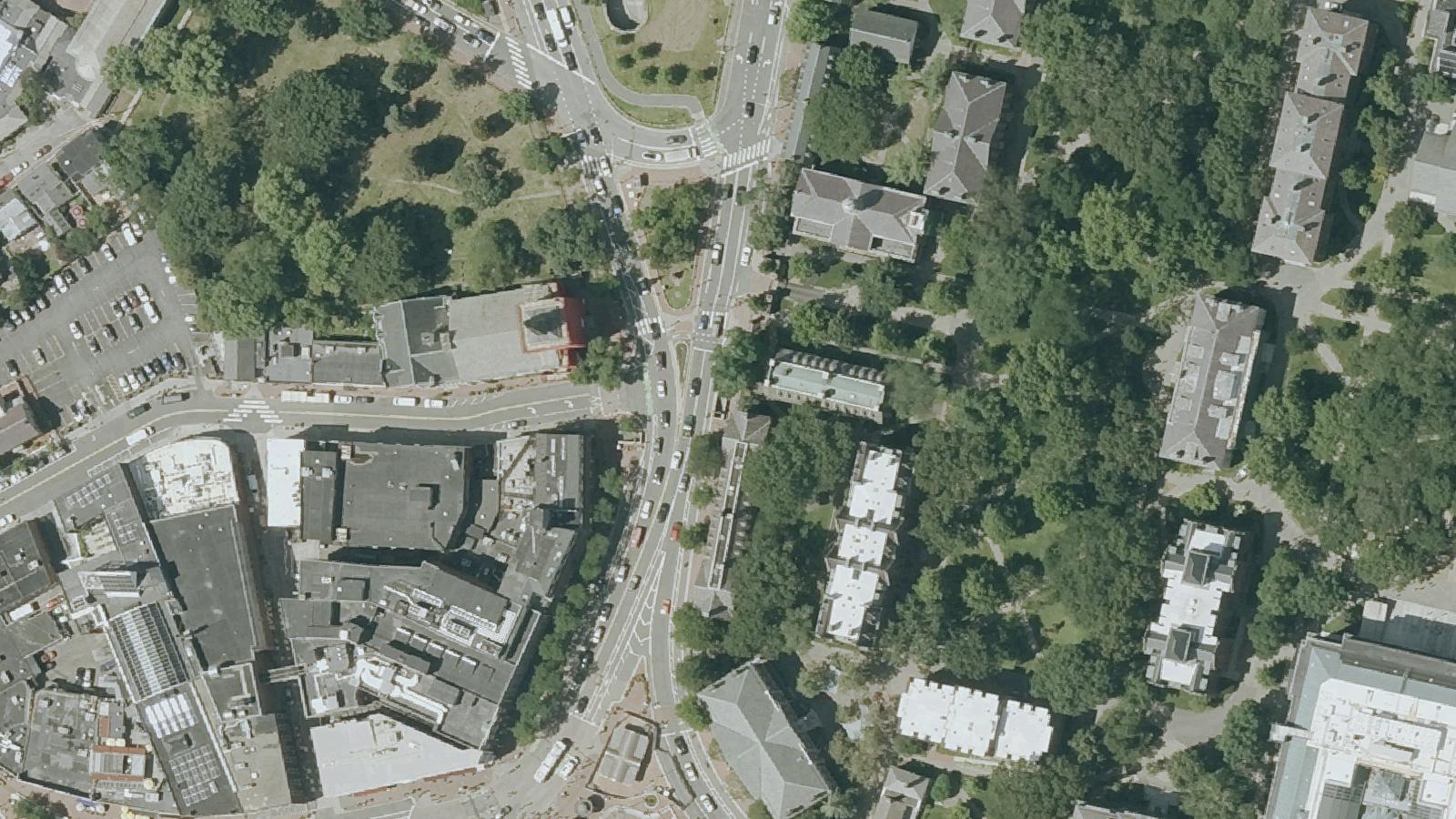
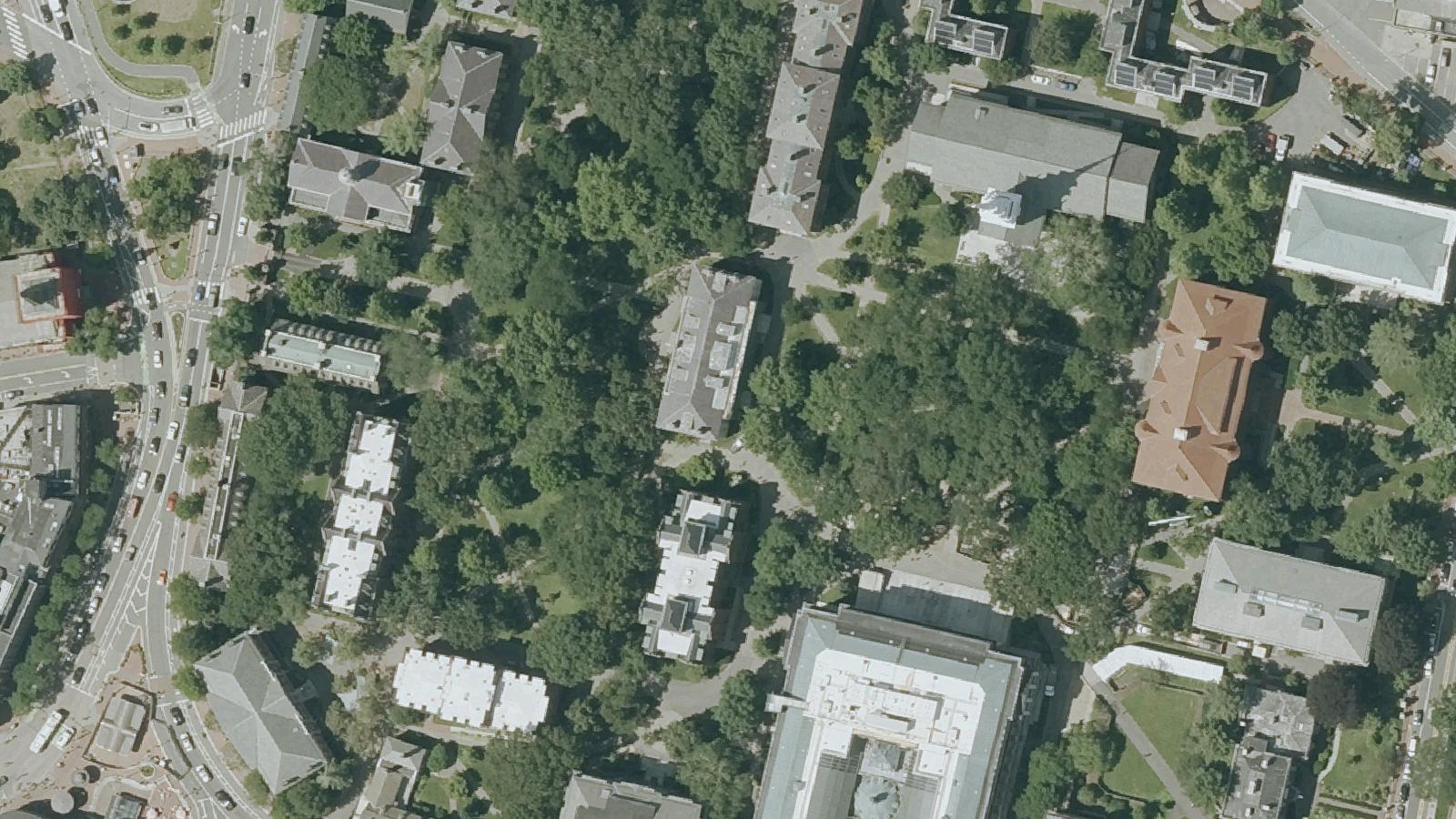
Lowell House opened in September 1930 as one of the original seven residential Houses funded by philanthropist Edward Harkness as part of Harvard's adoption of the residential 'House system' modeled loosely on Oxford and Cambridge. The architects, Coolidge, Shepley, Bulfinch and Abbott, designed the complex in a Georgian Revival style organized around two large courtyards on the south side of Harvard Yard.
The House is named for the Lowell family, a prominent Boston Brahmin lineage. Family members commemorated in the House include James Russell Lowell, the 19th-century poet and Harvard professor; Percival Lowell, the astronomer who predicted Pluto's existence; A. Lawrence Lowell, the Harvard president who championed the residential House system; and Amy Lowell, the Pulitzer Prize-winning Imagist poet whose portrait hangs in the Lowell House dining hall.
Lowell House is architecturally distinguished by its blue bell tower, the tallest in the residential House system, and by the Lowell House Bells — a set of Russian Orthodox bells that were rescued from the USSR in 1930, used at Lowell House for 78 years, and returned to the Danilov Monastery in Moscow in 2008.
Elliott Perkins served as Lowell House Master from 1940 to 1963, an unusually long tenure that gave him an outsized influence on the House's traditions and identity. He is the named subject of one of the House's two principal ghost stories.
Sources
- https://news.harvard.edu/gazette/story/2014/10/harvards-haunted-houses/
- https://en.wikipedia.org/wiki/Lowell_House
- https://harvardindependent.com/harvard-ghost-stories/
- https://www.whrb.org/archive/sonic-supernatural-harvard-lore-lowell-house-and-kirkland-ho/
- https://www.youtube.com/watch?v=8U4dj8CKbLo
Full-bodied apparition of Amy Lowell near her portraitCigar smoke smell near Amy Lowell's portraitSensed presence of Elliott Perkins at Thursday teas
Two ghost traditions circulate at Lowell House. The first centers on Amy Lowell (1874–1925), the Pulitzer Prize-winning Imagist poet whose portrait hangs in the Lowell House dining hall. According to the Harvard Gazette's 2014 'Haunted Houses' feature, Lowell House employees have reported a full-bodied apparition of Lowell appearing near her portrait, and the scent of cigar smoke is said to manifest in the same area. The cigar detail draws on the well-documented historical fact that Lowell smoked custom-made hand-rolled Manila cigars throughout her life.
The second tradition centers on Elliott Perkins, Lowell House Master from 1940 to 1963. The Gazette describes him as 'well-observed' by Thursday tea attendees and reports that his spirit is informally welcomed at the regular Thursday-afternoon teas that remain a Lowell House tradition. His ghost is not described as alarming; the lore frames him as a continuing host of the gatherings he led during his decades-long mastership.
No named specific recurring incident or documented investigation is recorded in the source material. The two stories are characterized by their conviviality — a poet near her portrait and a former House Master at his teas — rather than by any threatening or distressing element.
Notable Entities
Amy Lowell (1874–1925, poet)Elliott Perkins (Lowell House Master 1940–1963)