Est. 1720 · Oldest surviving Harvard building · Second-oldest academic building in the United States · Continental Army barracks 1775–1776 · National Historic Landmark
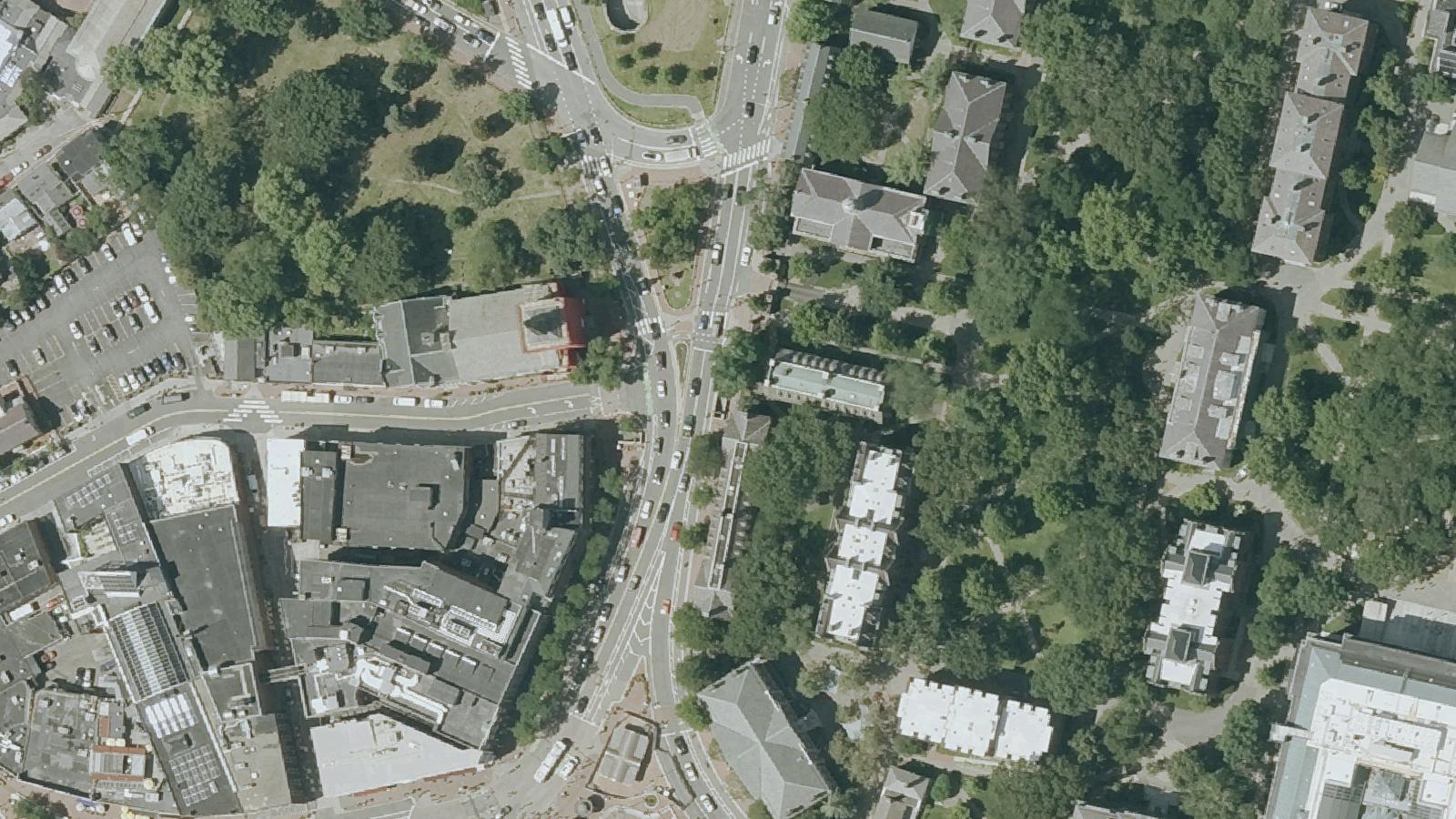
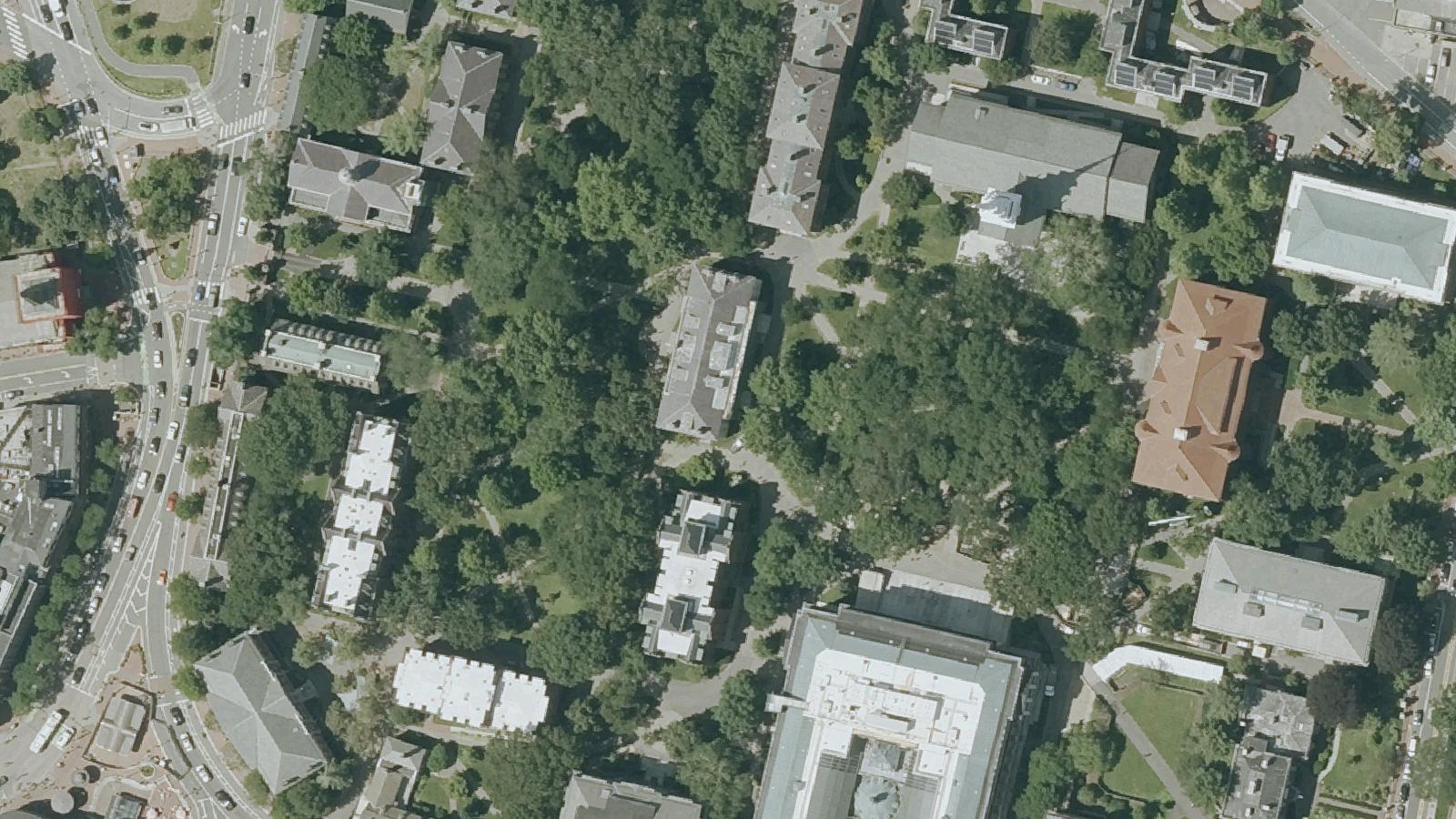
Massachusetts Hall was built between 1718 and 1720 by Harvard's then-presidents John Leverett and Benjamin Wadsworth at a cost of £3,500. It was designed as a four-story student dormitory and is the oldest surviving building on the Harvard campus and the second-oldest academic building in the United States.
The building has had several distinct uses. During the American Revolution, the Continental Army quartered troops there during the Siege of Boston, with as many as 640 soldiers reportedly housed in the building between 1775 and 1776. After the war, Harvard converted it back to dormitory use and later to mixed classroom and office space. Since 1939, the lower floors have housed the office of the Harvard president and senior university administration, while the upper floors continue to house freshman students.
The building's exterior preserves much of its 1720 appearance, with brick walls and a hipped roof. It is a National Historic Landmark and an Old Cambridge Historic District contributing structure. The hall figured prominently in 1969 anti-Vietnam War protests, when students occupying University Hall were forcibly removed by Massachusetts state police.
Massachusetts Hall is the senior anchor of the western edge of Harvard Yard and is structurally inseparable from Harvard's architectural identity.
Sources
- https://news.harvard.edu/gazette/story/2014/10/harvards-haunted-houses/
- https://www.thecrimson.com/article/2023/10/29/ghosts-at-harvard/
- https://www.cambridgeday.com/2005/10/31/hauntings-are-plentiful-but-theyre-not-always-scary/
- https://harvardindependent.com/the-ivy-and-the-occult/
- https://www.harvardmagazine.com/2001/11/the-nicest-building-in-t-html
Apparition that walks through wallsConversational interactions with residents
The defining ghost story of Massachusetts Hall centers on a figure called Holbrook Smith, said by Harvard student folklore to be a Class of 1914 alumnus — though, as the Harvard Crimson and Gazette both note, no enrollment record for him has been found. Smith allegedly returned to the building each fall and was sighted by freshman residents, appearing in human form but able to walk through walls and to converse with students.
According to the Harvard Gazette's 2014 feature, after complaints from freshman residents, an Assistant Dean of Freshmen — identified in some retellings as Dean William C. Young — formally asked the apparition to depart. Smith reportedly replied 'You've ruined a perfectly good thing' and left with what witnesses described as 'the saddest eyes I've ever seen.' The Crimson's 2023 ghost tour confirms the same general account.
Later sightings have been reported sporadically. The story is one of Harvard's most-told ghost narratives in part because it is unusually mundane: a polite, conversational presence who is asked to leave and complies. The absence of an enrollment record for Holbrook Smith is itself often cited as evidence by believers and as a folklore red flag by skeptics.
Notable Entities
Holbrook Smith (purportedly Class of 1914 — no enrollment record found)