Museum Visit Booking Required
Attend a performance
Catch a production at Riverside Theatre Works in the restored 1897 French's Opera House, which contains a 156-seat opera house auditorium and rehearsal spaces.
- Duration:
- 2.5 hr
HauntBound archive · catalog record
Reported phenomena, as catalogued
Community Theater in Hyde Park's 1897 French's Opera House
45 Fairmount Avenue, Boston, MA 02136
Research updated May 2026
Age
All Ages
Cost
$$
Ticketed performances at published rates; youth education programs are separate.
Access
Limited Access
Multi-story 1899 building with stairs
Equipment
No Photos
Est. 1899 · French's Opera House (rebuilt 1899 after 1898 fire) · Riverside Theatre Works community theater operating since 1981
The French's Opera House at 45 Fairmount Avenue in Hyde Park, Boston was constructed in 1897 by L.J. French, a local grocer who arrived in Hyde Park in 1875. The original building suffered a fire approximately 15 months after opening, and was immediately rebuilt larger than before, with the new structure completed by 1899. The rebuilt building included a 700-seat opera house auditorium on the upper floors and a Masonic hall on the third floor, with retail space at street level.
The opera house anchored Logan Square's commercial life through the early 20th century. The building continued in various uses through the mid-century before the upper floors fell into disuse.
Riverside Theatre Works was founded in 1981 by lifelong Hyde Park resident Marietta Phinney, who began by teaching children drama and music in her backyard. In 1983 the program moved into one room in the former French's Opera House and gradually expanded into all of the building's top two floors. The current facility includes a 156-seat opera house, a dance studio and rehearsal space, a scene shop, a lounge, and several meeting rooms - approximately 14,000 square feet of theater space.
Sources
Riverside Theatre Works' haunted reputation grows out of the long history of the opera house building, including the 1898 fire that destroyed the original 1897 structure before its immediate rebuild. Local Hyde Park tradition tells of a woman named Esmeralda associated with the early opera-house years; the documentary trail for that specific tradition is thin, and visitors should treat the name as a piece of local lore rather than verified history.
Cast and crew reports collected through the company's modern operating life describe footsteps in empty corridors during late rehearsals, a sense of presence on the upper floors, and occasional movement of small objects in the dressing-room and scene-shop areas. These reports are typical of the kind of layered atmosphere that older theater buildings often produce among the people who use them at night.
The theater treats the tradition as part of the building's character rather than as a programmed attraction.
Notable Entities
Catch a production at Riverside Theatre Works in the restored 1897 French's Opera House, which contains a 156-seat opera house auditorium and rehearsal spaces.
Some links on this page may earn HauntBound a small commission when you book, at no extra cost to you. Our editorial picks are independent. Full disclosure
Every HauntBound history is researched from documented sources. We clearly separate verified historical fact from paranormal folklore.
Free Guide
11 verified stops, rated for families, mapped in order. Free.
One email to confirm, then the guide link. Unsubscribe anytime.
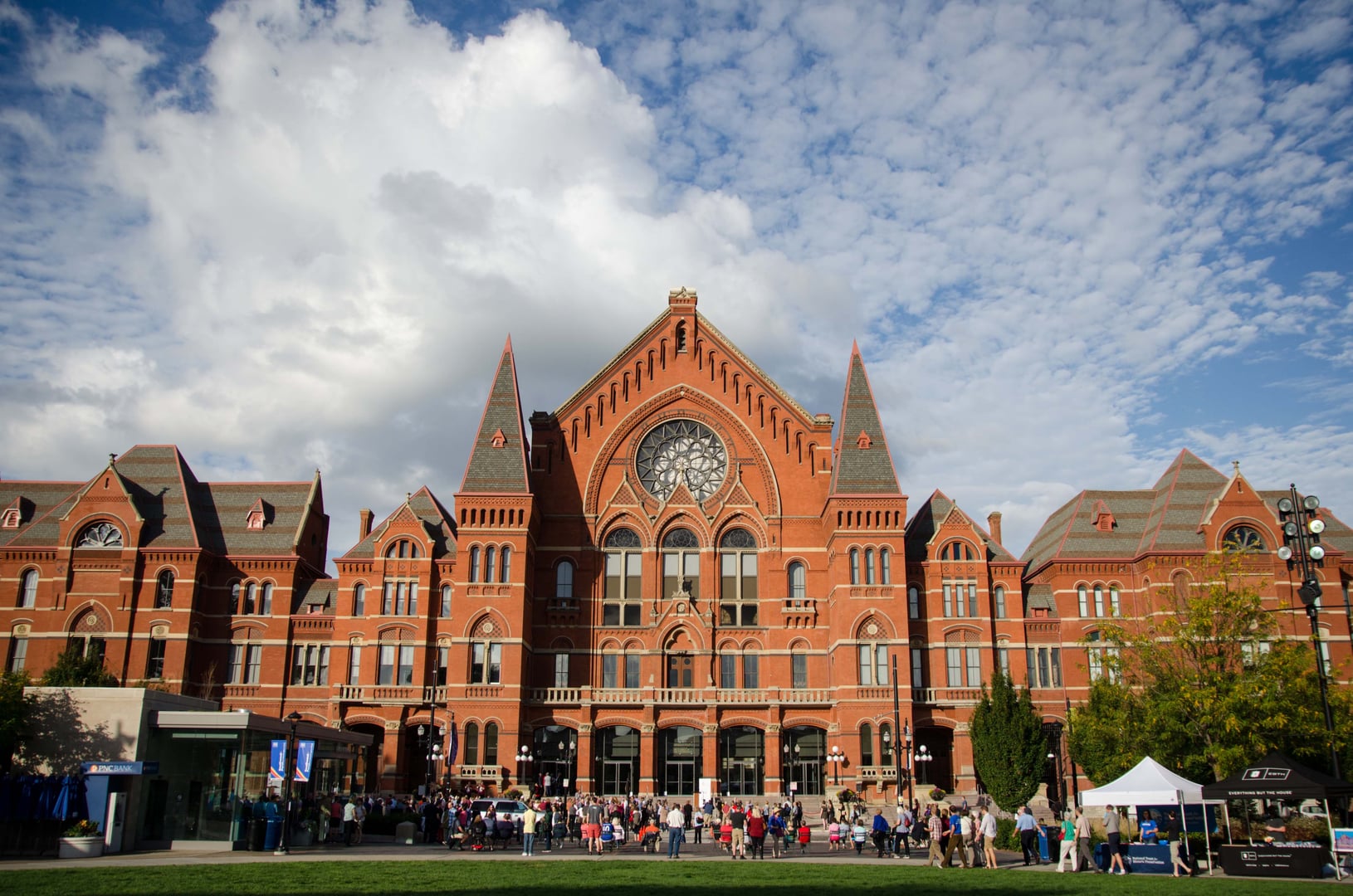
Cincinnati, OH
Cincinnati Music Hall at 1241 Elm Street opened in 1878, designed in the High Victorian Gothic style. It was built on land that had served as the city's potter's field — a burial ground for the indigent, disease victims, and unidentified dead — used from the 1820s until the cemetery closed around 1857. Bones have been discovered beneath the building in 1927, 1988, and again during the 2016-2017 renovation. The building was designated a National Historic Landmark in 1975.
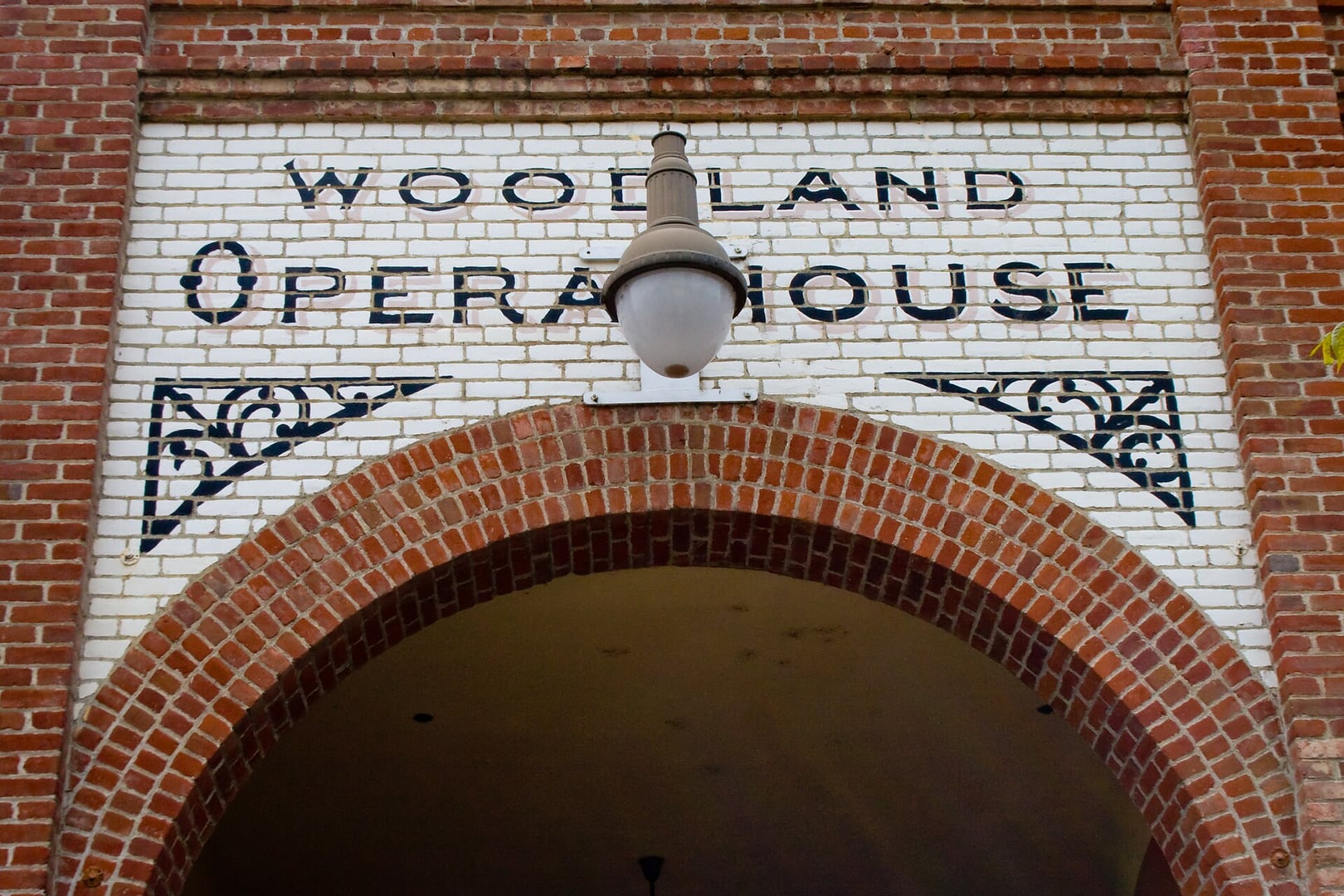
Woodland, CA
The Woodland Opera House, designed in 1885 by San Francisco architect Thomas J. Welsh, was the first opera house to serve the Sacramento Valley. Destroyed in the Great Fire of July 1, 1892, it was rebuilt on the original foundations and reopened in 1896. Closed from 1913 until the Yolo County Historical Society purchased it in 1971, it is now a California State Historic Park and National Register landmark.
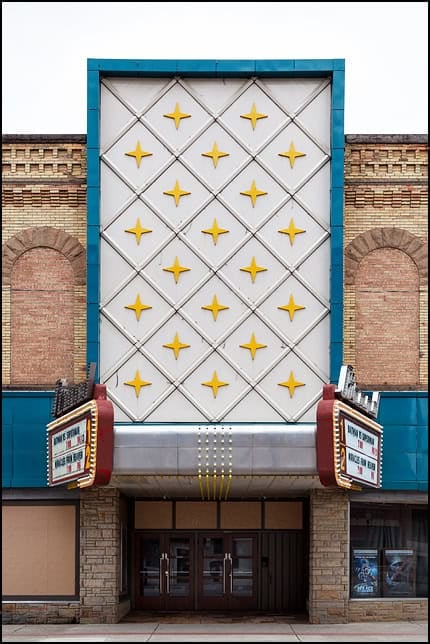
Kendallville, IN
The Strand Theatre at 119 N. Main Street in Kendallville, Indiana opened May 22, 1890 as the Spencer Opera House, built by Edward Spencer for $29,000 on the site of the Blockbuster Hotel. The 750-seat house was renamed the Boyer Opera House under A.J. Boyer in 1905, converted to a movie theater in 1919, and renamed the Strand Theatre by the Hudson family in 1929. The theater is one of the oldest continuously operating theaters in the United States.