Est. 1878 · National Historic Landmark · Potter's Field · Cholera Epidemic History · Victorian Architecture
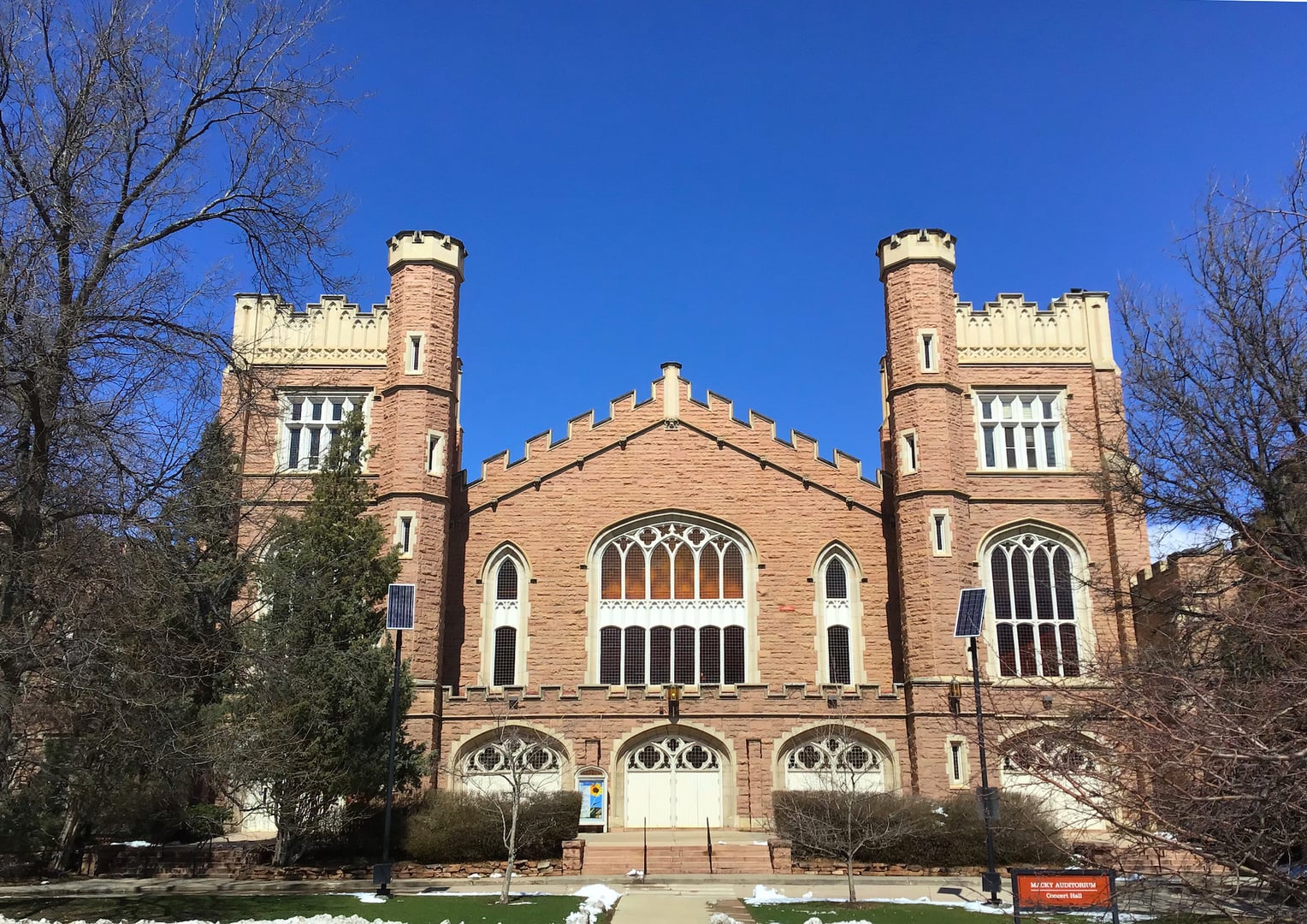
Cincinnati Music Hall at 1241 Elm Street opened on May 14, 1878. The Reanaissance Revival/High Victorian Gothic structure was designed by Samuel Hannaford and built on a site with a complicated prior history.
From the 1820s until approximately 1857, the land served as the city's potter's field — the burial ground for the indigent, unidentified, and those who died during epidemic events without family to claim them. Cholera outbreaks in 1832 and subsequent years filled the cemetery. Victims of the 1838 Moselle steamboat explosion, which killed more than 100 people, were among those interred. Estimates of the total buried on the site range from 6,000 to 10,000 individuals.
Construction crews digging for the original Music Hall building encountered bones. In 1927, two separate discoveries during renovation work found three coffins in February and a section containing 65 graves later that year. In 1988, drilling for a new elevator shaft recovered 200 pounds of bone. During the 2016-2017 renovation — a $135 million project that restored the building to National Historic Landmark standards — crews discovered additional human remains under the orchestra pit and in the north carriageway. An archaeological firm removed the bones and re-interred them at Spring Grove Cemetery.
The building received National Historic Landmark designation in 1975. Today it serves as home to the Cincinnati Symphony Orchestra, Cincinnati Pops, Cincinnati Opera, and Cincinnati Ballet.
Sources
- https://friendsofmusichall.org/cincinnati-music-hall-history/features-of-music-hall/is-music-hall-haunted/bones-discovered-under-music-hall/
- https://en.wikipedia.org/wiki/Cincinnati_Music_Hall
- https://theghostinmymachine.com/2021/01/25/haunted-road-trip-cincinnati-music-hall-and-the-ghosts-of-potters-field-ohio/
- https://friendsofmusichall.org/cincinnati-music-hall-history/features-of-music-hall/is-music-hall-haunted/
- https://www.cincinnatimagazine.com/citywiseblog/how-did-cincinnatis-music-hall-get-so-haunted/
- https://cincinnatighosts.com/the-cincinnati-music-hall/
- https://searchingthemist.wixsite.com/searchingthemist/single-post/the-eerie-melodies-of-haunted-cincinnati-music-hall-exploring-the-ghostly-legends-within-its-walls
ApparitionsPhantom voicesPhantom soundsEquipment malfunction
The accounts from Cincinnati Music Hall carry a specificity unusual in paranormal report collections. A maintenance man entering the maintenance elevator heard people whispering to him in what he described as an angry tone — not words, but directed sound, accusatory in character. He was alone.
A worker present alone one evening heard laughter coming from one of the ballrooms. When he reached the source, he found several men and women in clothing consistent with the 1800s. He watched them before they became aware of him. The accounts do not specify whether they acknowledged him before disappearing.
On a separate occasion, during daytime event preparation, multiple women heard a female voice singing — beautiful, clearly audible, searched for throughout the building. Nothing was found.
The freight elevator, which serves the building's subterranean levels, has reportedly moved on its own with tour groups inside — a detail specific enough that it has become a standard element of the official ghost tour.
The Cincinnati Research & Paranormal Studies group conducts ongoing tours of the building, treating it as one of the most documented sites in the Ohio Valley. The Travel Channel listed Music Hall as one of the most atmospherically charged buildings in the United States.
Notable Entities
The Ballroom DancersThe Singing Voice