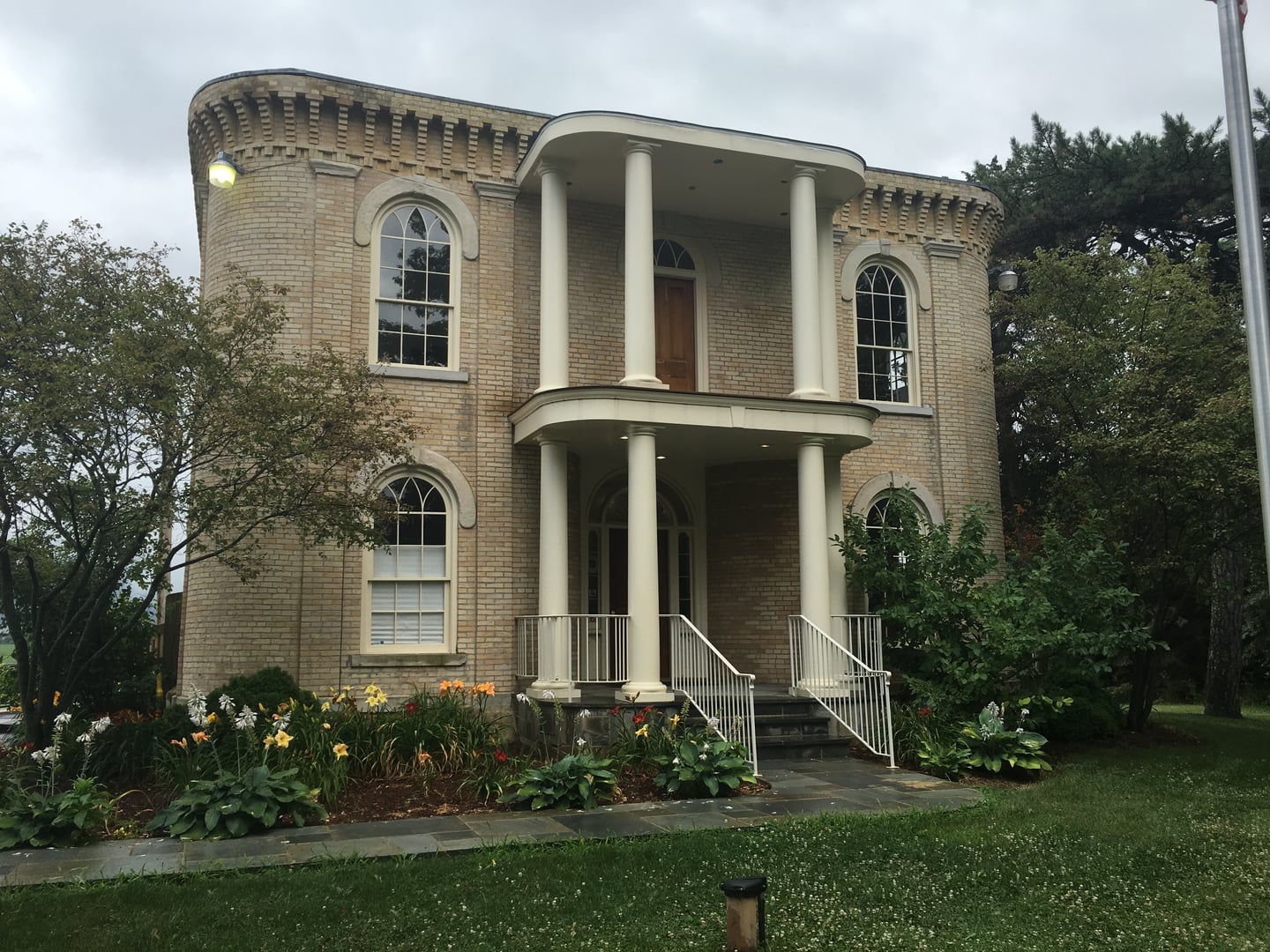
Est. 1861 · Listed on the National Register of Historic Places, 1983 · 1894 clubhouse of the Quequechan Club, Fall River's elite social club · Colonial Revival mansion tied to the city's textile-era wealth
The brick mansion at 306 North Main Street went up in 1861, during the years Fall River was becoming one of the largest cotton-textile centers in the country. It was built as a single-family residence in the Colonial Revival idiom and stood among the homes of the city's mill-owning families on what was then a fashionable stretch north of downtown.
In 1894 the property became the clubhouse of the Quequechan Club, a private social organization named for the Quequechan River that powered Fall River's mills. The club drew its membership from the city's industrialists, attorneys, and professional men, and the building served for generations as a venue for dining, billiards, and private functions.
The house was listed on the National Register of Historic Places on February 16, 1983 (reference number 83000708), recognized for its architecture and its place in Fall River's social history. In later years the club moved away from member ownership; the building has continued to operate as a private club and pub rather than reverting to a residence.
Fall River carries a heavy share of New England's true-crime reputation through the 1892 Borden case, and the Quequechan Club sits within that same dense, historic part of the city, a short distance from other sites that draw visitors interested in the city's darker past.
Sources
- https://en.wikipedia.org/wiki/Quequechan_Club
- https://lizzie-borden.com/blog/the-spirits-of-the-quequechan-club/
Apparition of a woman in white in Victorian dress (near the bar)Disembodied voicesFootsteps in empty roomsUnexplained tappingOrbs of light in photographsAudio recordings on the third floor
The best-known story attached to the Quequechan Club is that of a woman in white, described as wearing Victorian-era clothing and seen most often near the restaurant bar. Local accounts hold that she may have died in the building, though no name is confirmed in the public record, and investigators have attached the informal label "Marie" to a presence they associated with audio recordings made on the third floor.
Reported activity at the club includes disembodied voices, footsteps in empty rooms, unexplained tapping, and orbs of light in photographs. These are the kinds of claims that circulate among staff and guests rather than findings established by any formal record.
In 2008 a group identified in regional reporting as the Dartmouth Anomaly Research Team investigated the building. According to accounts of that visit, the team set out to debunk the rumors but came away describing the activity as persuasive. As with most such investigations, the results rest on the investigators' own interpretation of their equipment and experiences rather than independent verification.
Visitors should treat the woman-in-white story as Fall River lore. The building is a documented 1861 landmark; the haunting is a tradition layered onto it.
Notable Entities
Woman in white (Victorian dress)