Drive-By
View from public road only
The Old Village House is a private property. View from the public road only; do not trespass or approach the home. Assonet is a small Massachusetts village; respect neighborhood privacy.
- Duration:
- 15 min
HauntBound archive · catalog record
Reported phenomena — as catalogued
Historic Assonet Property Tied to a Long-Running Local Ghost Tradition
Assonet, MA 02702
Research updated May 2026
Age
All Ages (drive-by viewing only)
Cost
Free
Free public-road viewing only. The property is private; do not approach.
Access
Wheelchair OK
Village street in Assonet
Equipment
Photos OK
Est. 1900 · Historic Assonet village property · Subject of long-running regional ghost tradition
Assonet is a village within the town of Freetown in southeastern Massachusetts, in Bristol County. The Old Village House referenced in regional Massachusetts ghost lore is a Victorian-era home in the village, historically tied to the early-20th-century period when the home was reportedly built for an inventor and his wife. Public-source documentary detail about the specific property is limited.
The building is sometimes described in regional Massachusetts ghost-lore coverage as having operated, in a later period, as a small museum open for tours. Its current operational status as a public-facing property is not clearly documented in current public sources, and visitors should treat the property as private unless they can confirm operating tours through a contemporary local historical society.
Freetown itself has a layered local history, and the surrounding Freetown-Fall River State Forest is the subject of substantial regional folklore. The Old Village House sits within that wider Bristol County folkloric landscape.
Sources
The Old Village House's haunted tradition involves three figures, according to long-running local lore. The most-told strand identifies an early-20th-century resident whose daughter died in a fall from a second-story window in a documented domestic-violence incident; in the tradition, scratch marks were later found on the window of the room where the incident occurred. A second figure in the tradition is a nineteen-year-old female servant from the late 19th century, and a third is a man who died in a 1963 house fire at the property.
Guests on tours during the home's operating period reported footsteps on the staircase, doors opening and closing suddenly, and candles visible from the road on certain nights. Most of the reported activity was associated with the third floor, where the servants' quarters were located. The home has 26 rooms by long-standing tradition, and the activity was described as protective in character.
Visitors should treat the tradition as folklore rather than as documented history. The property is private, and the most appropriate engagement is brief drive-by viewing from the public road.
The Old Village House is a private property. View from the public road only; do not trespass or approach the home. Assonet is a small Massachusetts village; respect neighborhood privacy.
Some links on this page may earn HauntBound a small commission when you book, at no extra cost to you. Our editorial picks are independent. Full disclosure
Every HauntBound history is researched from documented sources. We clearly separate verified historical fact from paranormal folklore.
Free Guide
11 verified stops, rated for families, mapped in order. Free.
One email to confirm, then the guide link. Unsubscribe anytime.
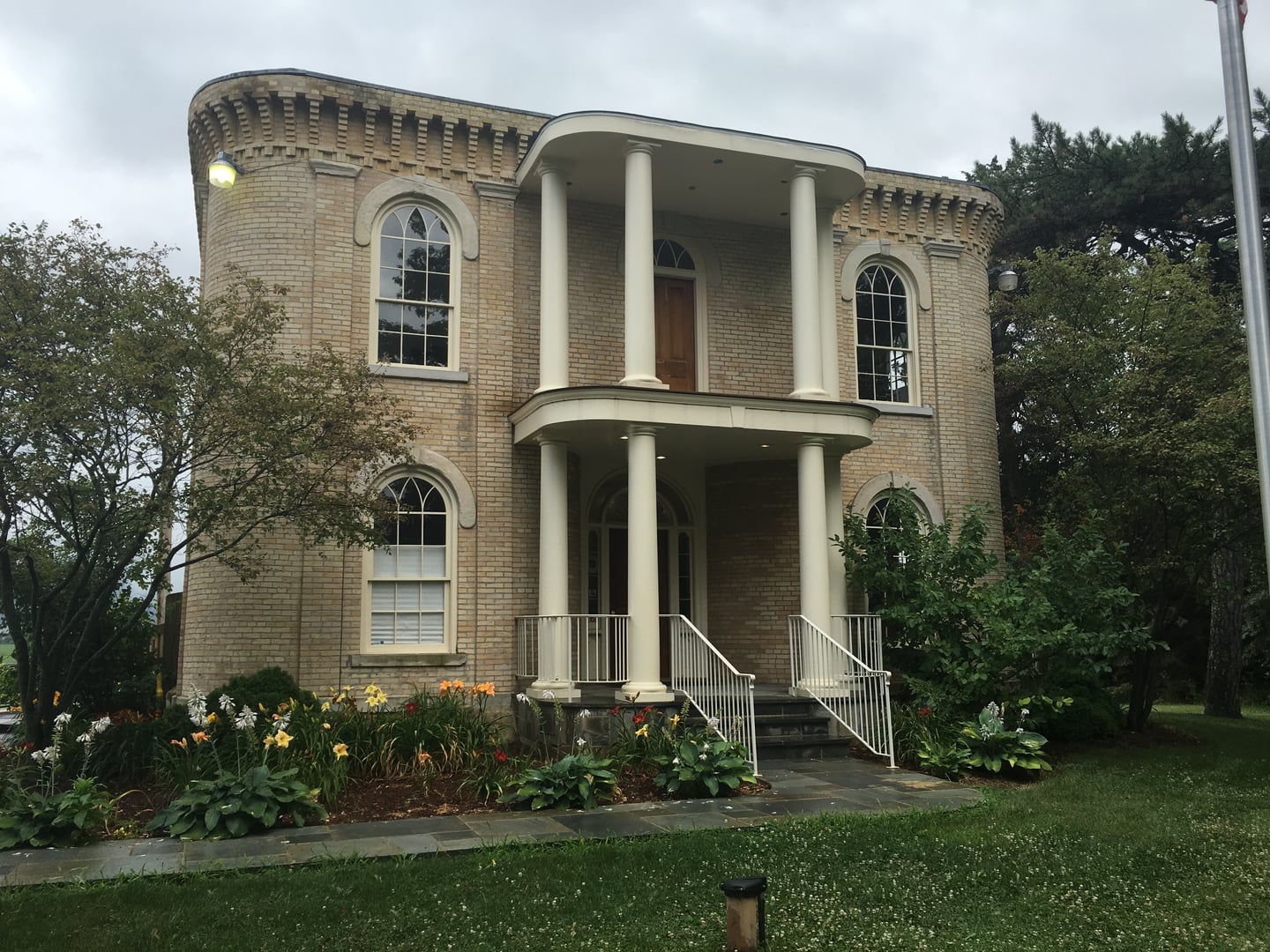
Bull Valley, IL
The George Stickney House is an 1865 stucco-over-frame mansion in Bull Valley, Illinois, built for spiritualists George and Sylvia Stickney. The Stickneys, both practicing mediums, are said to have designed the interior without right angles to ease the movement of spirits during seances. The building has served as the Bull Valley Police Department since 1985 and has been listed on the National Register of Historic Places since 1979.
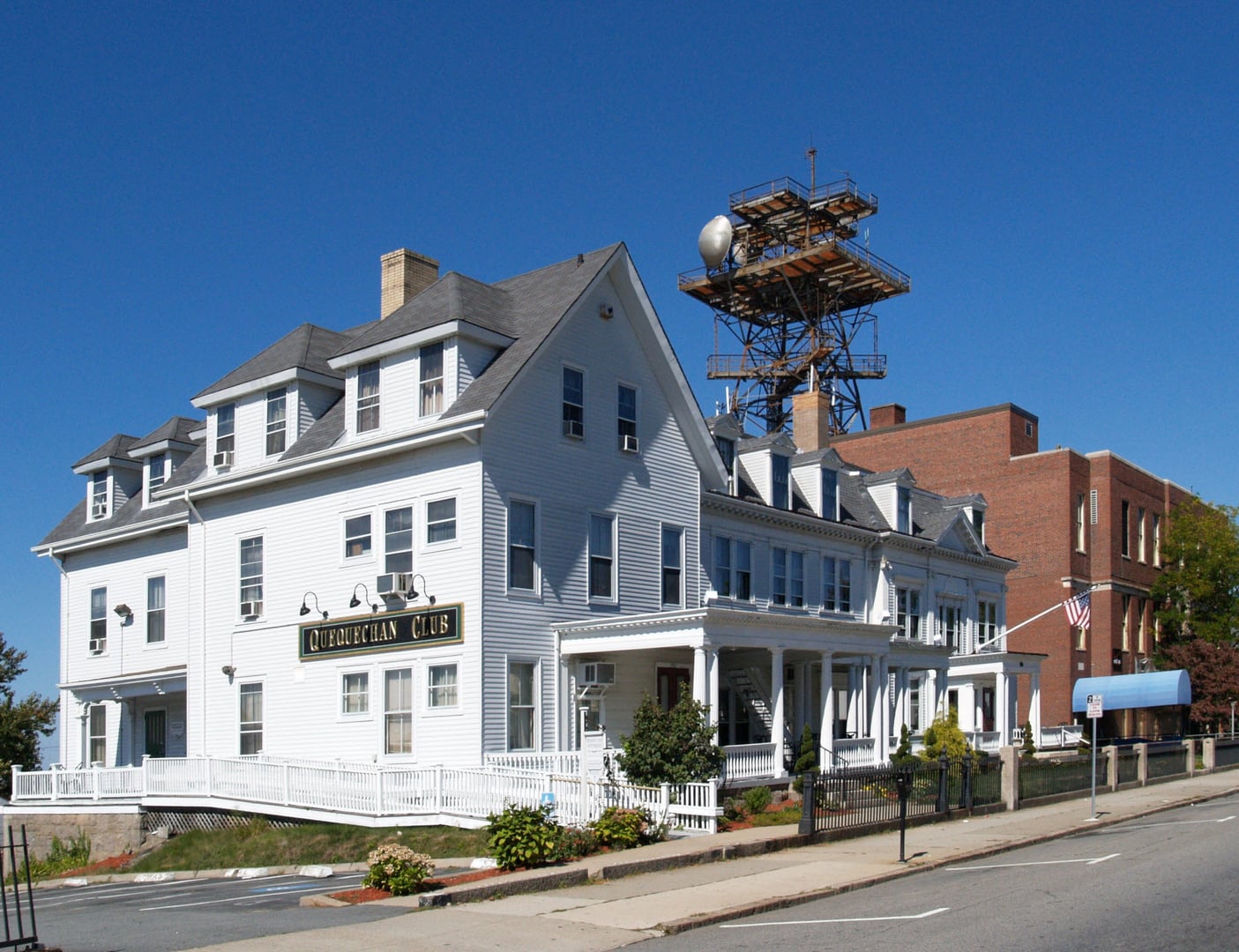
Fall River, MA
The Quequechan Club building at 306 North Main Street in Fall River was built in 1861 as a private home in the Colonial Revival style. In 1894 it became the home of the Quequechan Club, a social club for the city's mill-owning and professional class. It was added to the National Register of Historic Places on February 16, 1983.
Cambridge, MA
Apthorp House was built in 1760 for the Reverend East Apthorp, the first rector of Christ Church Cambridge, in what was then a rural stretch of Tory Row. Its grand scale earned it the nickname 'the Bishop's Palace.' British General John 'Gentleman Johnny' Burgoyne was held there in 1777–78 after his surrender at Saratoga. The house is now the residence of the Adams House Faculty Deans.