Self-Guided Visit
Self-Guided Cemetery Walk
Wander the 1638 burying ground, view 17th-century slate carvings, Revolutionary War graves, and the 1998 memorial stone to Wilmot Redd on the Pond Street side.
- Duration:
- 45 min
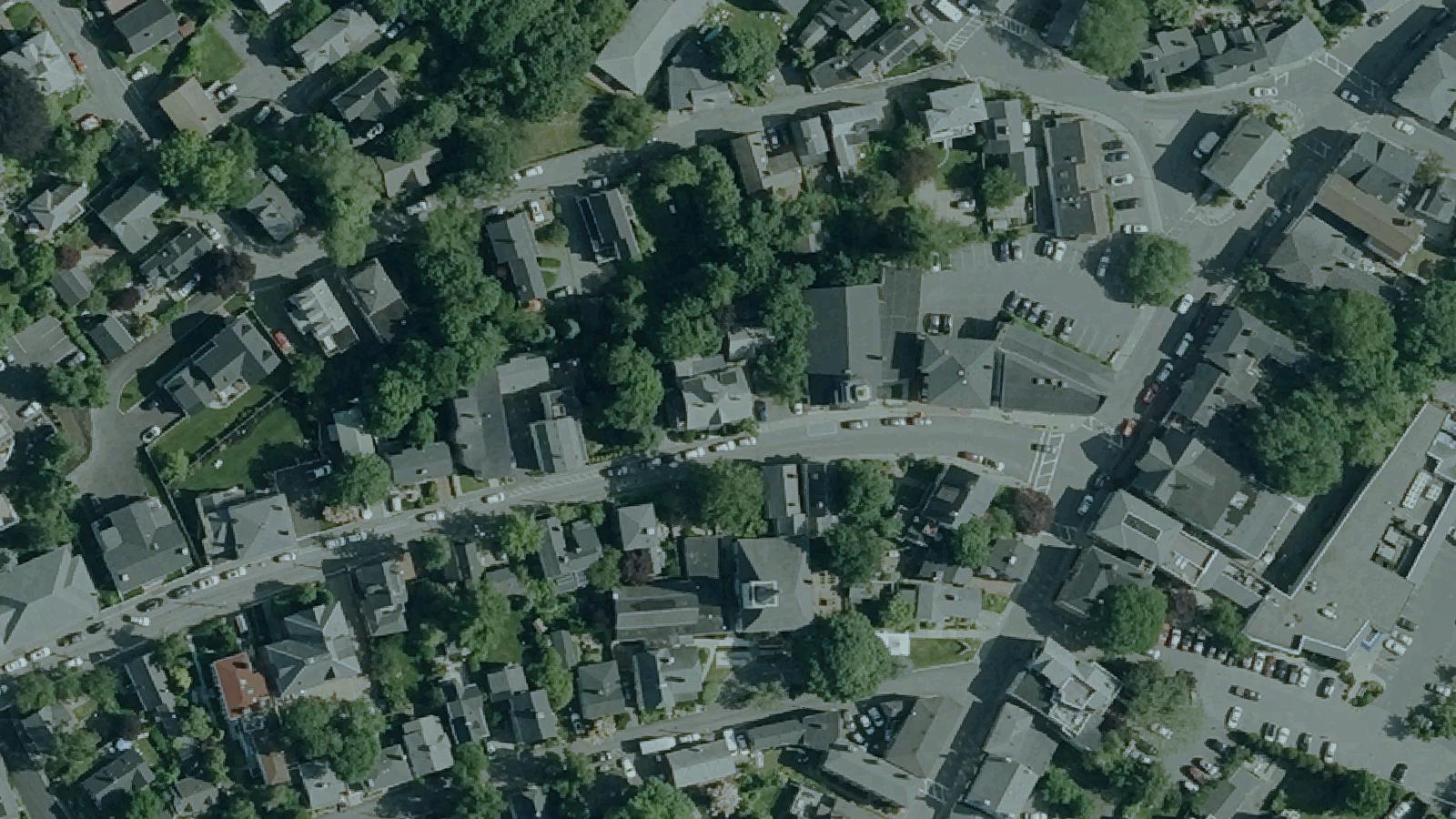 Aerial survey · USDA NAIP · public domain
A 1638 hilltop Puritan burying ground in Marblehead that holds a memorial to Wilmot Redd, the only Marblehead resident executed in the 1692 Salem witch trials, and is reputed to be among the town's most haunted spots.
50 Orne Street, Marblehead, MA 01945
Research updated May 2026
Age
All Ages
Cost
Free
Free to visit; open to the public during daylight hours.
Access
Limited Access
Steep grassy hillside with stairs from Pond and Orne Streets; uneven ground and old footpaths.
Equipment
Photos OK
Est. 1638 · One of the oldest burying grounds in New England (established 1638) · Site of Marblehead's first meeting house · Holds a memorial to Wilmot Redd, the only Marblehead resident executed in the Salem witch trials · Contains roughly 600 mostly-unmarked Revolutionary War-era graves
Old Burial Hill sits on a rocky rise overlooking Redd's Pond in Marblehead, Massachusetts. The site was established in 1638 as the location of the town's first meeting house, and the surrounding churchyard became Marblehead's earliest burying ground. Over the following centuries it accumulated hundreds of graves, including some of the oldest surviving Puritan headstones in New England, carved with the winged death's-heads, cherubs, and urn-and-willow motifs that trace the evolution of colonial gravestone art.
The cemetery is closely associated with Marblehead's maritime past. It is said to hold roughly 600 Revolutionary War-era graves, most of them unmarked, reflecting the heavy toll the era took on the fishing town's seafaring families. The hill's commanding view of the harbor made it both a practical and symbolic resting place for generations of sailors and their families.
Old Burial Hill is best known for its connection to the Salem witch trials. Wilmot Redd, a Marblehead fisherman's wife, was the only person from the town executed for witchcraft. She was arrested in May 1692, convicted on September 17, 1692, and hanged on September 22, 1692, as part of the last group of executions. Her body, like those of the other victims, was buried in an unmarked common grave whose location is unknown. In 1998 the town erected a memorial stone in her honor on the Pond Street side of the cemetery; additional markers to her stand at the King Hooper Mansion garden and at the Salem Witch Trials Memorial.
The nearby Redd's Pond is named for Wilmot Redd, who lived close to the site. Today Old Burial Hill is maintained by the Town of Marblehead and is frequently cited as one of the most beautiful and historically significant cemeteries in the United States.
Sources
The most enduring legend attached to Old Burial Hill concerns Wilmot Redd, the Marblehead woman hanged in 1692. According to Sam Baltrusis in his book "Wicked Salem: Exploring Lingering Lore and Legends," locals believe Redd still haunts the hill, and some claim to hear her cackling or screaming among the old headstones. The Salem Witch Museum likewise notes that the cemetery is believed to be haunted by Redd and by others connected to the witch-trial era.
Visitors to the cemetery have reported a consistent set of phenomena: shadow figures moving among the stones, apparitions, disembodied voices and footsteps, sudden cold spots, and a strong feeling of being watched by an unseen presence. The dramatic Shadowlands-style claim that Redd cursed the town with the cry "this town shall burn" is not supported by the historical record and appears to be later folklore embellishment; her documented story is simply that of a fisherman's wife wrongly executed during the witch hysteria.
The cemetery's age, its commanding and atmospheric setting above Redd's Pond, and its direct tie to one of the darkest chapters in colonial New England history have made it a fixture on regional ghost tours and a recurring subject of haunted-Marblehead features and podcasts.
Notable Entities
Wander the 1638 burying ground, view 17th-century slate carvings, Revolutionary War graves, and the 1998 memorial stone to Wilmot Redd on the Pond Street side.
Some links on this page may earn HauntBound a small commission when you book, at no extra cost to you. Our editorial picks are independent. Full disclosure
Every HauntBound history is researched from documented sources. We clearly separate verified historical fact from paranormal folklore.
Free Guide
11 verified stops, rated for families, mapped in order. Free.
One email to confirm, then the guide link. Unsubscribe anytime.
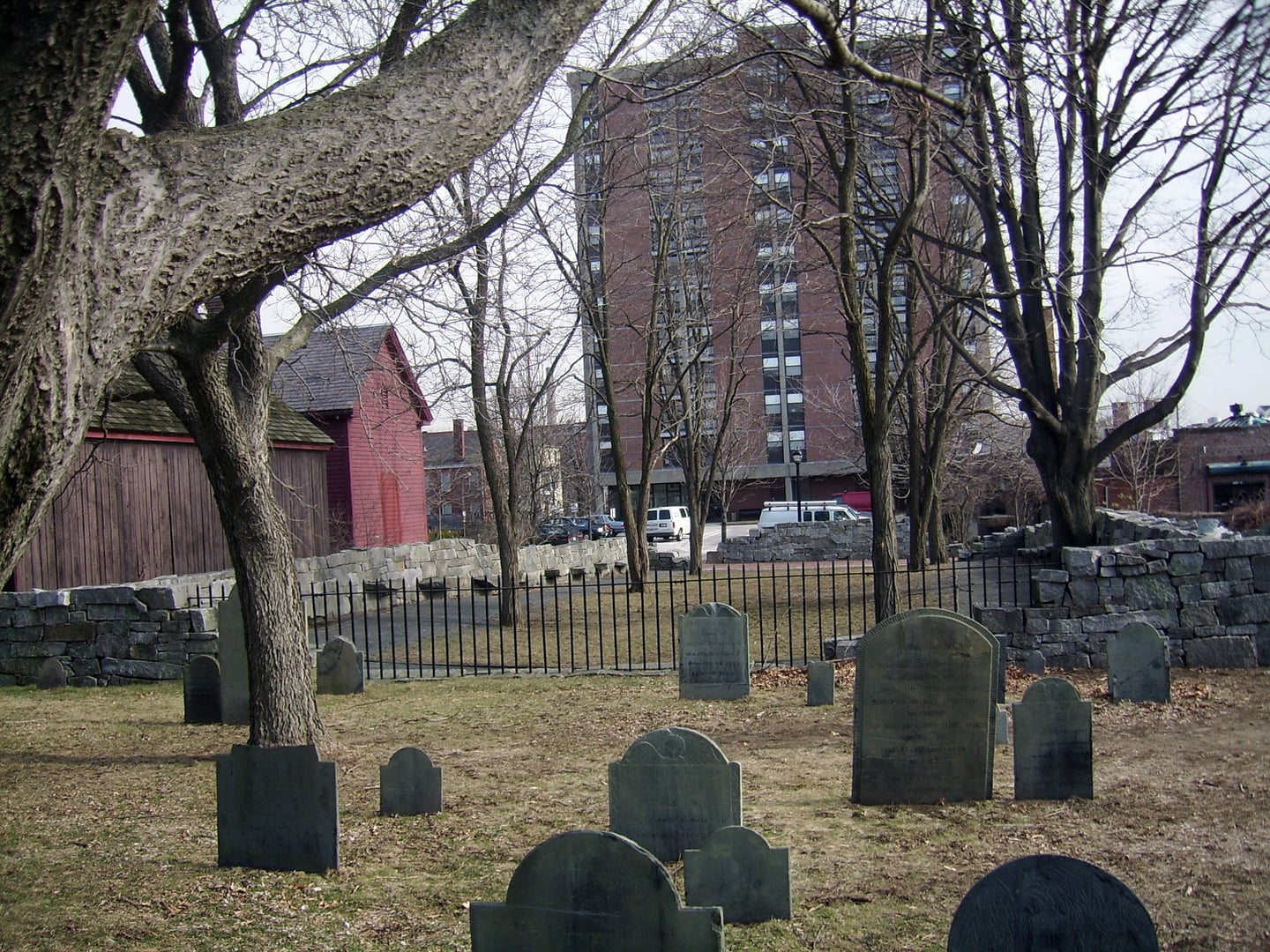
Salem, MA
Old Burying Point on Charter Street is Salem's oldest cemetery, established in 1637 and the second-oldest burying ground in the United States. The 1.47-acre cemetery contains roughly 700 headstones and 17 box tombs dating from the seventeenth through nineteenth centuries, including the grave of Salem Witch Trials magistrate John Hathorne.
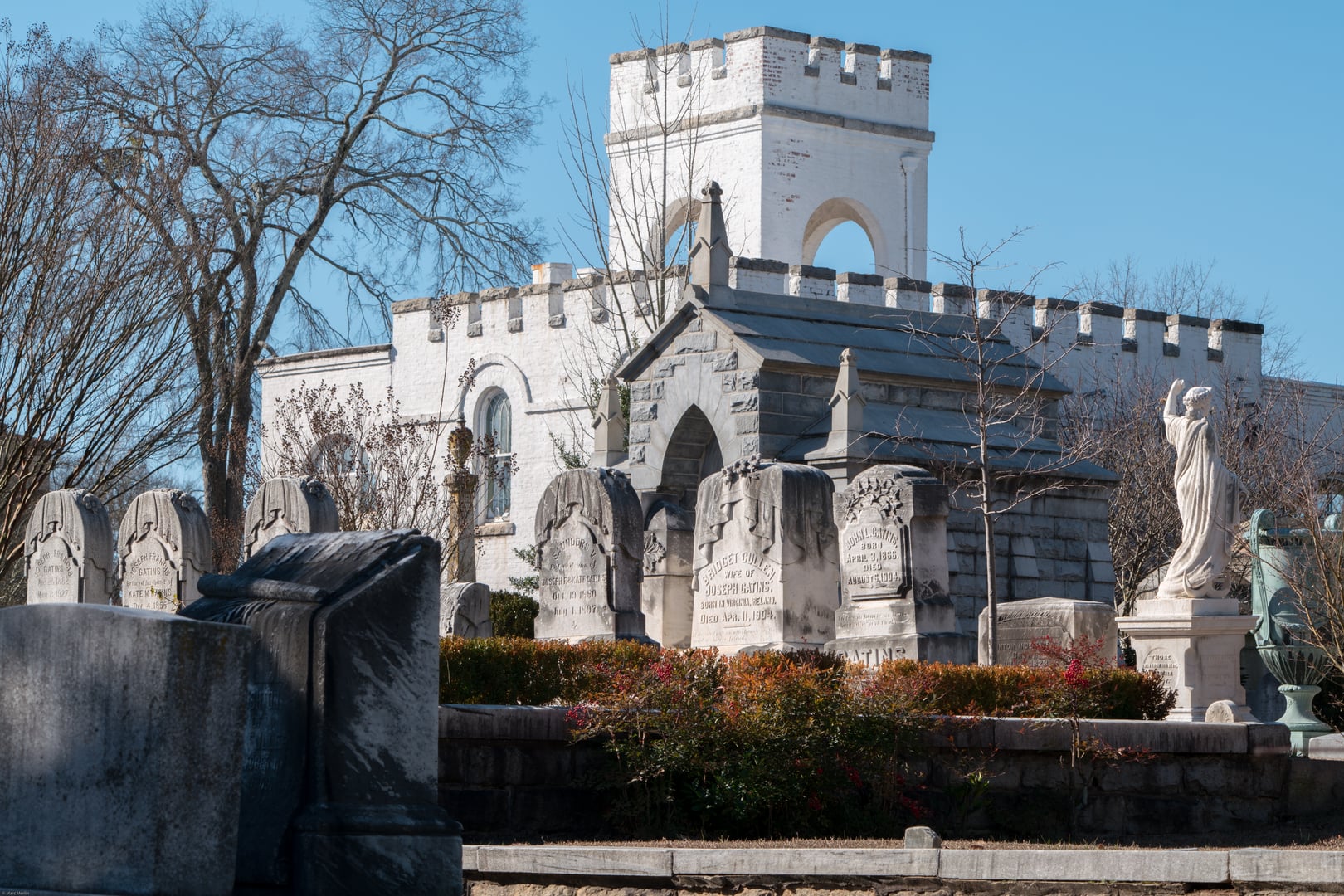
Atlanta, GA
Historic Oakland Cemetery was chartered in 1850 as the six-acre 'Atlanta Cemetery,' renamed Oakland in 1872, and expanded to 48 acres. Approximately 70,000 people are interred, including roughly 6,900 Confederate soldiers (3,000 unidentified), four Confederate generals, six Georgia governors, 27 Atlanta mayors, Margaret Mitchell, golfer Bobby Jones, and Maynard Jackson, Atlanta's first African American mayor. The cemetery was listed on the National Register of Historic Places on April 28, 1976.
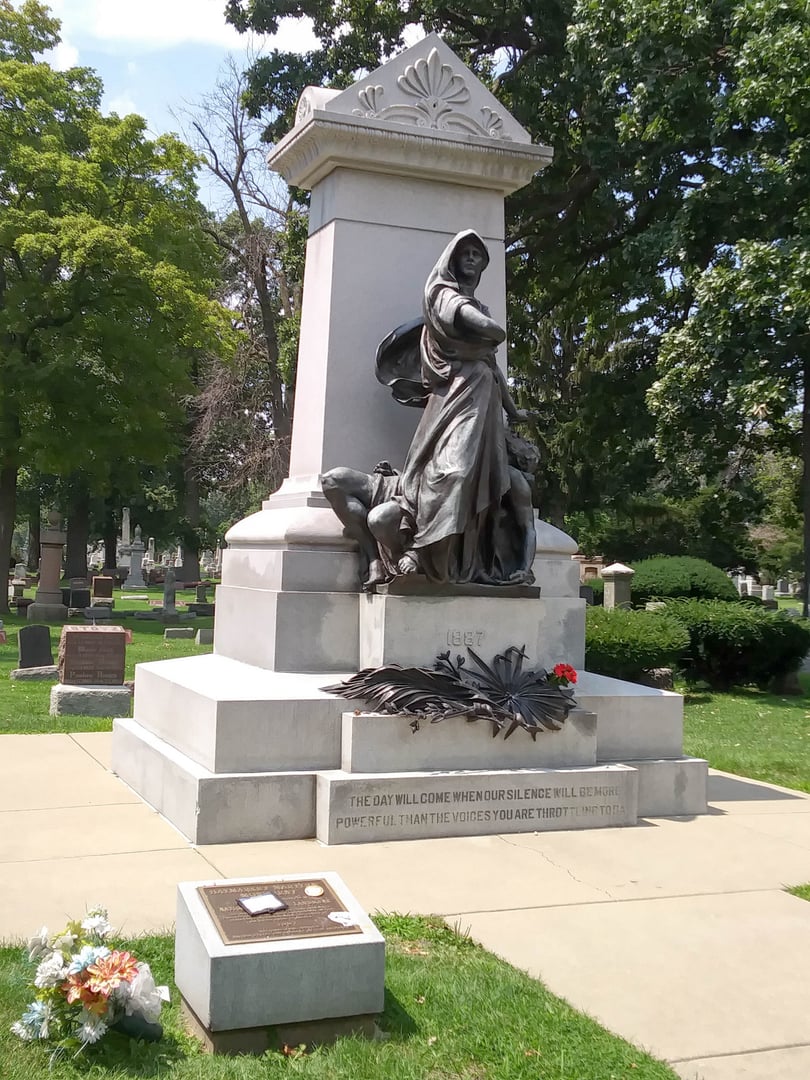
Forest Park, IL
Forest Home Cemetery in Forest Park, Illinois, grew from two adjacent cemeteries — German Waldheim (established 1873) and Forest Home (1876) — which merged in February 1969. The 220-acre site was chosen as a non-denominational burial ground, a policy that made it the only Chicago-area cemetery willing to accept the bodies of the Haymarket defendants in 1887.