No photograph
on file
Est. 1777
Photo: T.S. Custadio (ToddC4176) · CC BY-SA 3.0
Battlefield / Military Site

Fort Revere Park

Revolutionary-Era Fortress on Telegraph Hill

60 Farina Rd, Hull, MA 02045

Research updated May 2026

Age

All Ages

Cost

Free

Free public access to the park grounds. Water tower museum has separate seasonal hours.

Access

Limited Access

Uneven masonry, stone stairs, hilly grounds

Equipment

Photos OK

Phantom voicesShadow figuresObject movementPhantom sounds

Reports from Fort Revere center on the interior masonry passages and the underground portions of the fortifications. The most consistent account describes whispers, sometimes in what witnesses interpret as a foreign language, in the tunnels below the upper batteries. The French smallpox burial of 1778 is the most-cited historical anchor for these accounts.

The second recurring report is of shadow figures: dark forms that pause in doorways or move along interior walls, sometimes seen by multiple witnesses standing in the same room. The fort's design, with multiple openings into single chambers, produces unusual sightlines that visitors find disorienting even by daylight.

Local lore holds that small objects thrown into certain doorways at the far end of the fort have come back out, an account that originates in user-submitted reports rather than documented investigation. The diagonal stone stairs leading down into the lower works are described in several accounts as awkward to walk, a quirk of original 18th-century military engineering rather than evidence of anything supernatural.

Notable Entities

The French Soldiers
Plan Your Visit

1 way to experience
Outdoor Exploration

Self-Guided Park Visit

Explore the surviving stone batteries, magazine, and water tower atop Telegraph Hill. The interior fortress passages are where most visitor reports of shadow figures and whispers occur. The grassy slope below the hill is the burial site of approximately 200 French soldiers who died of smallpox in 1778.

Duration:
1.5 hr
Get directions

Find a place to stay near Fort Revere Park

Lodging nearby

Some links on this page may earn HauntBound a small commission when you book, at no extra cost to you. Our editorial picks are independent. Full disclosure

Sources & Further Reading

Every HauntBound history is researched from documented sources. We clearly separate verified historical fact from paranormal folklore.

  1. 1.onlyinyourstate.com/experiences/massachusetts/haunted-fort-revere-ma
  2. 2.mahauntedhouses.com/real-haunt/fort-revere.html
  3. 3.nsrwa.org/listing/fort-revere-park

Free Guide

Get the Massachusetts Haunted Trail Guide

11 verified stops, rated for families, mapped in order. Free.

One email to confirm, then the guide link. Unsubscribe anytime.

Similar Destinations

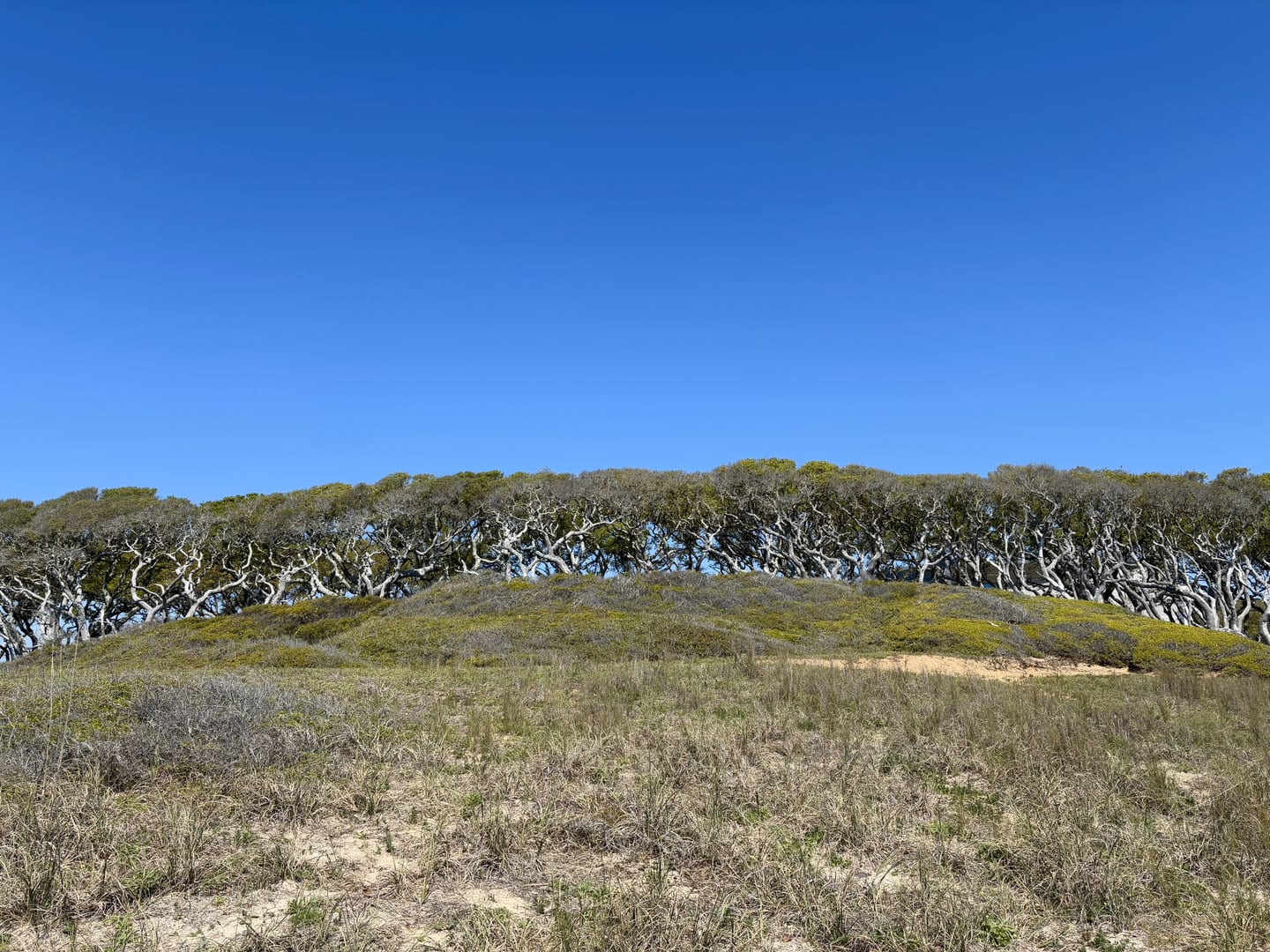
Earthwork mounds and grounds at Fort Fisher State Historic Site near Kure Beach, North Carolina, photographed April 2025.
Battlefield / Military Site

Fort Fisher State Historic Site

Kure Beach, NC

Fort Fisher was the largest earthwork fortification of the Civil War, built by the Confederacy beginning in 1861 to protect blockade-running traffic into the port of Wilmington. After a failed Christmas Eve 1864 assault, a combined Union land and naval bombardment captured the fort in January 1865. Fort Fisher's fall closed the last open Confederate seaport.

$ All Ages Family: High
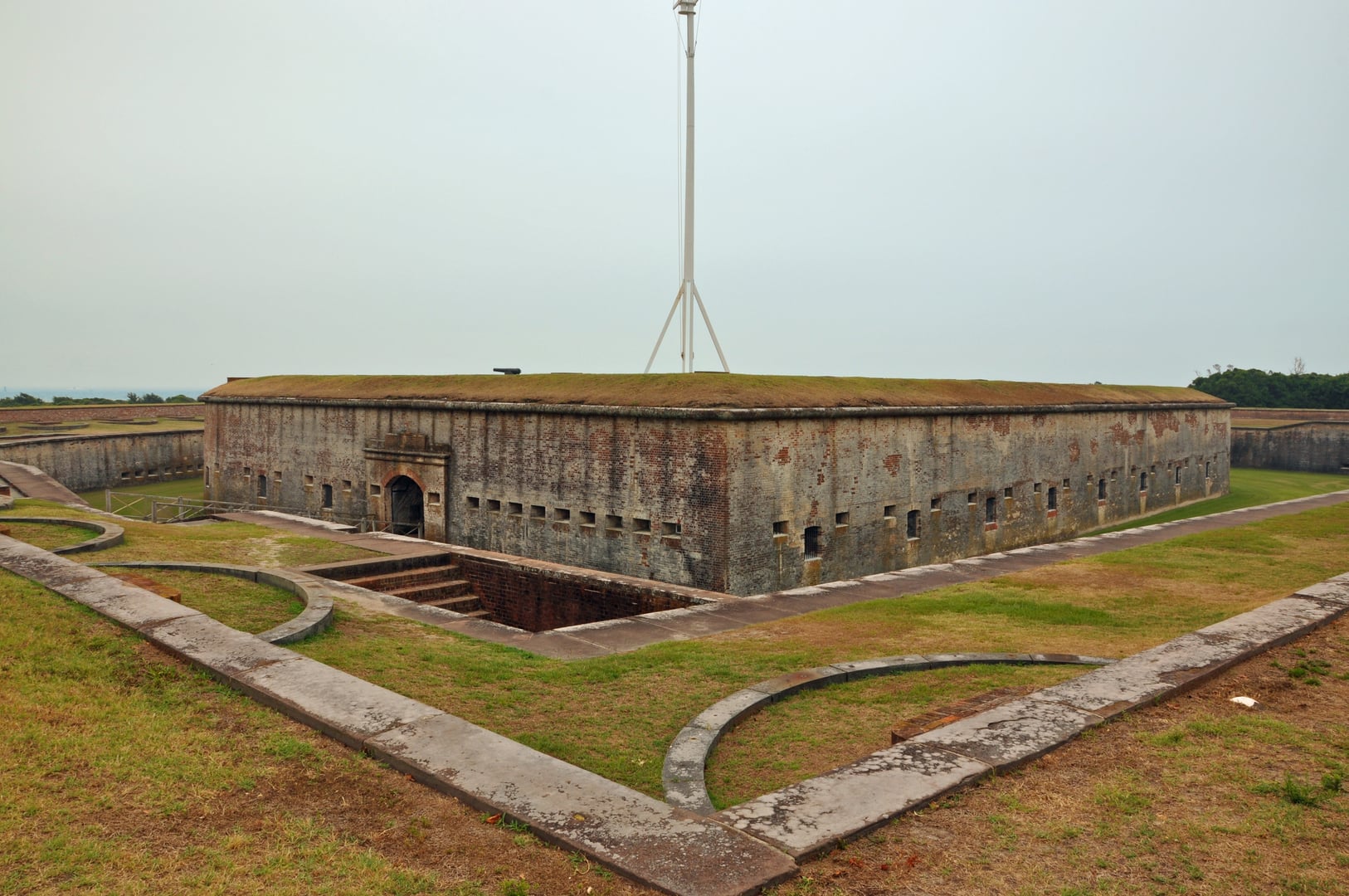
Brick shoreward walls of Fort Macon at Atlantic Beach, North Carolina
Battlefield / Military Site

Fort Macon State Park

Atlantic Beach, NC

Fort Macon is a Third System brick coastal fort built between 1826 and 1834 to guard Beaufort Inlet on the North Carolina coast, named for U.S. Senator Nathaniel Macon. North Carolina militia seized the fort for the Confederacy in April 1861, and Union forces under Major General Ambrose E. Burnside recaptured it in 1862. It is now the centerpiece of Fort Macon State Park.

$ All Ages Family: High
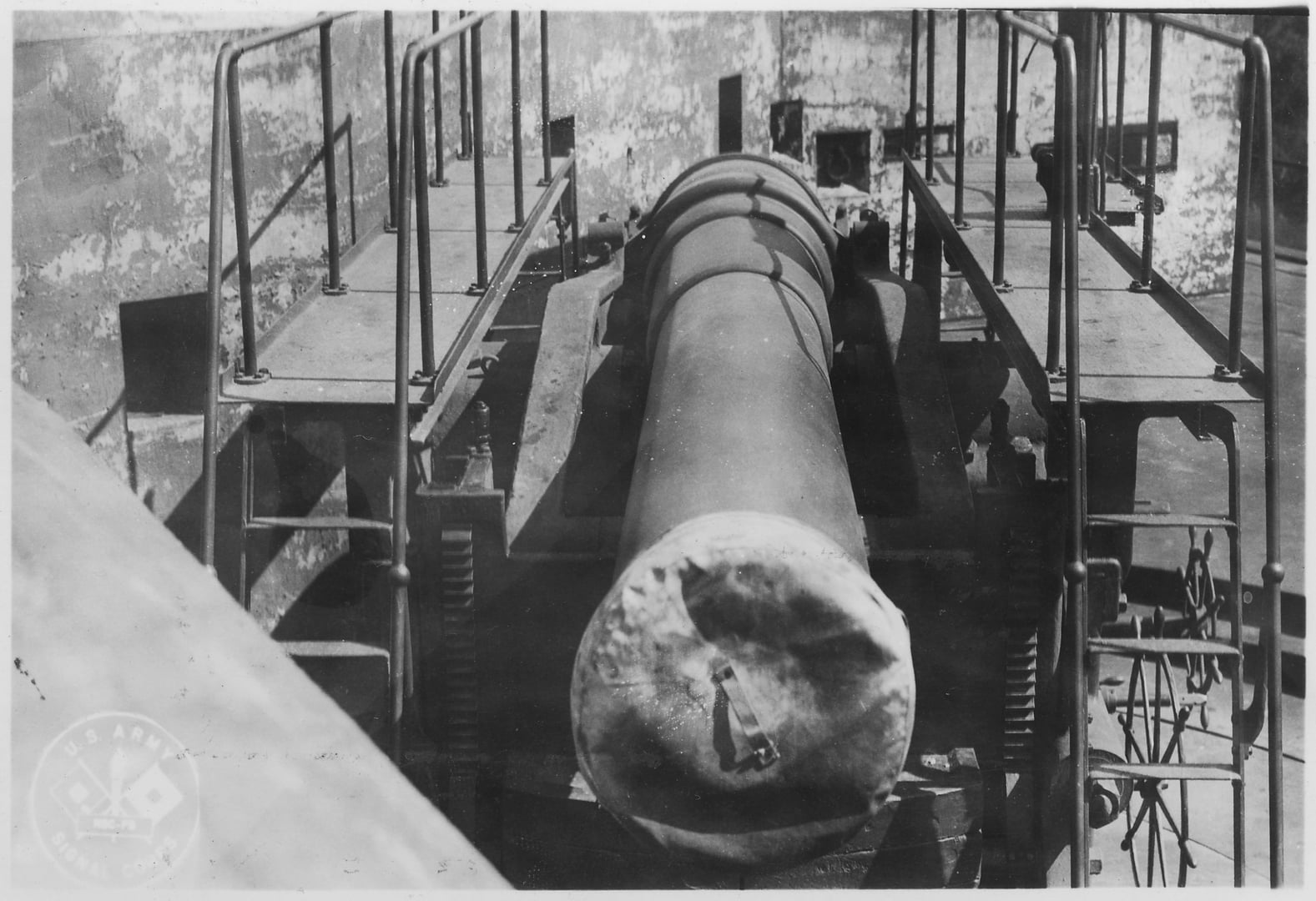
10-inch disappearing rifle gun emplacement at Battery Russell, Fort Stevens, Oregon, photographed during WWII service (c. 1942).
Battlefield / Military Site

Battery Russell at Fort Stevens

Hammond, OR

Battery Russell is one of nine concrete coastal-artillery emplacements built between 1897 and 1906 to defend the mouth of the Columbia River as part of Fort Stevens. Completed in 1904 and named for Civil War Brig. Gen. David A. Russell, the battery mounted two 10-inch M1888 'disappearing' rifles. It was decommissioned in 1944. On the night of June 21-22, 1942, the Japanese submarine I-25 surfaced offshore and fired roughly 17 shells in the direction of the fort — the first foreign attack on a mainland U.S. military installation since the War of 1812. The site is preserved within Fort Stevens State Park, Hammond, Oregon.

$ All Ages Family: Moderate

Frequently Asked Questions

Is Fort Revere Park family-friendly?
An outdoor historic park with stone fortifications, irregular stairs, and exposed coastal hilltop. Suitable for school-age children with adult supervision; the smallpox history is best discussed at a parent's discretion. Overall family fit: Moderate.
How much does it cost to visit Fort Revere Park?
Free public access to the park grounds. Water tower museum has separate seasonal hours. This location is free to visit.
Do I need to book in advance?
No advance booking is required, but checking availability is recommended.
Is Fort Revere Park wheelchair accessible?
Fort Revere Park has limited wheelchair accessibility. Terrain: Uneven masonry, stone stairs, hilly grounds.