Est. 1946 · Town-Donated Forest · Arthur W. Blood 1946 Land Donation
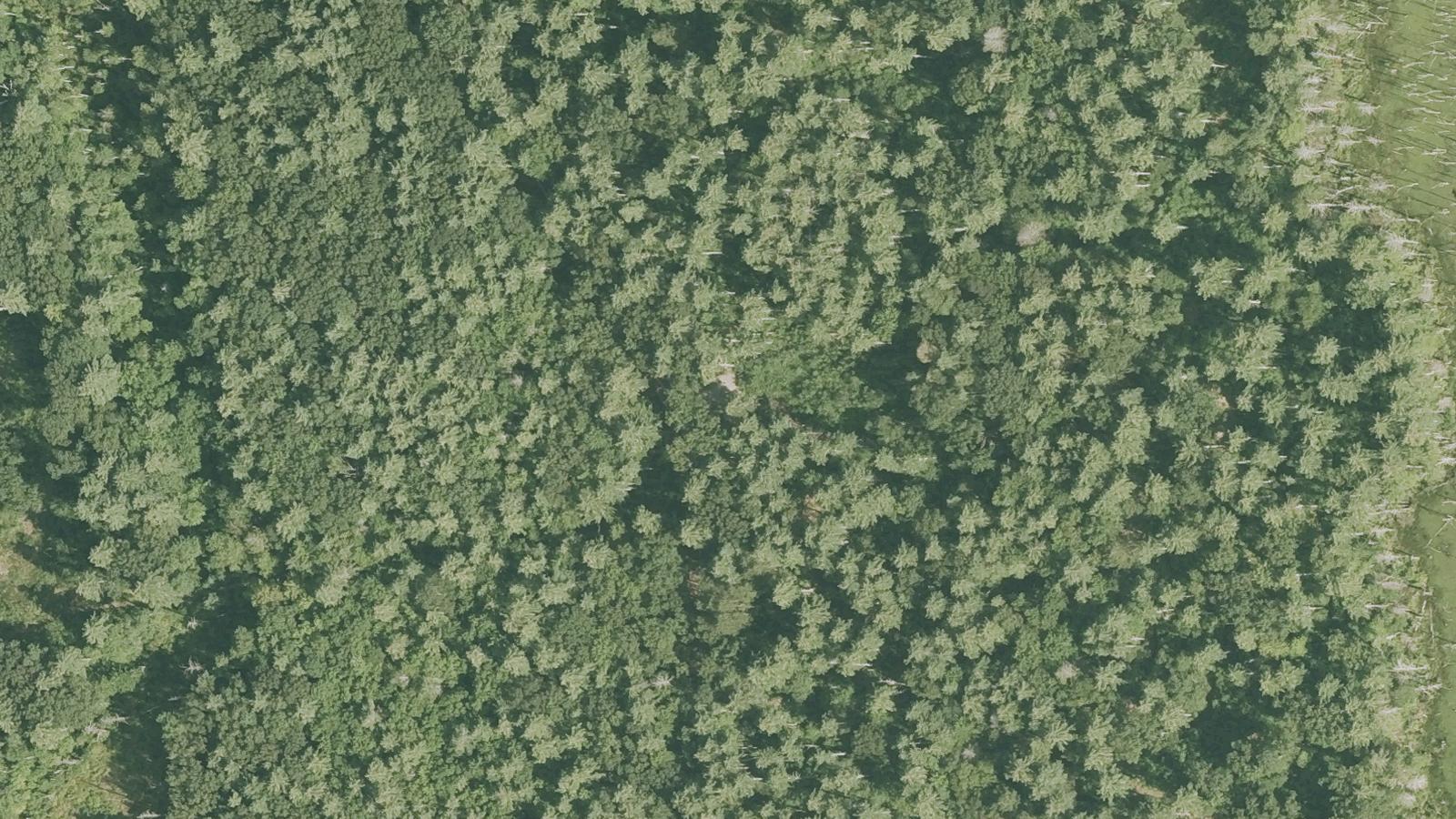
Arthur W. Blood Town Forest occupies approximately 600 acres on the north side of Lancaster, Massachusetts, in central Worcester County. The forest was established in 1946 when local resident Arthur W. Blood donated the founding parcel to the town. The Lancaster Conservation Commission and the town's open-space partners have managed the land since, expanding the trail system and adding several smaller adjacent parcels. The parking area on Brockelman Road is the standard legal access point.
The regional folklore name Blood Forest derives entirely from the donor's surname, an unintentional but lasting coincidence. The forest is documented in the Lancaster town government records and Massachusetts Digital Commonwealth.
Sources
- https://www.ci.lancaster.ma.us/573/Arthur-W-Blood-Town-Forest
- https://www.digitalcommonwealth.org/search/commonwealth:02871f47p
- https://www.slightlyoddfitchburg.com/2021/05/the-strange-case-of-arthur-blood-and.html
Phantom soundsPhantom footstepsCold spots
Local folklore attached to Arthur W. Blood Town Forest is a generic regional retelling of the couple-camping-in-the-woods urban legend, set in the 1970s and featuring a young woman and her partner killed by an unseen attacker near their vehicle. No Worcester County newspaper archive or state police record accessed during research substantiates any such case in the Lancaster Town Forest. The forest's name comes from its 1946 donor, Arthur W. Blood, not from any historical event.
The legend has nevertheless persisted as a local-teen storytelling tradition for decades. Visitors occasionally report unexplained sounds in the underbrush, the sense of being followed on a trail, and lights in the trees away from the road. These reports are consistent with the kind of unease that any large unlit forest generates after dark. The forest is open for normal daytime use; visitors should park in the marked lot, stay on the trails, and respect the surrounding posted private land.