Est. 1821 · One of the oldest cemeteries in the Acadiana region (est. 1821) · Burial site of Lafayette town founder Jean Mouton · Burial site of Confederate general Alfred Mouton (killed Battle of Mansfield, 1864) · Burial site of U.S. Ambassador Jefferson Caffery · Adjacent to St. John's Cathedral, a founding institution of Lafayette
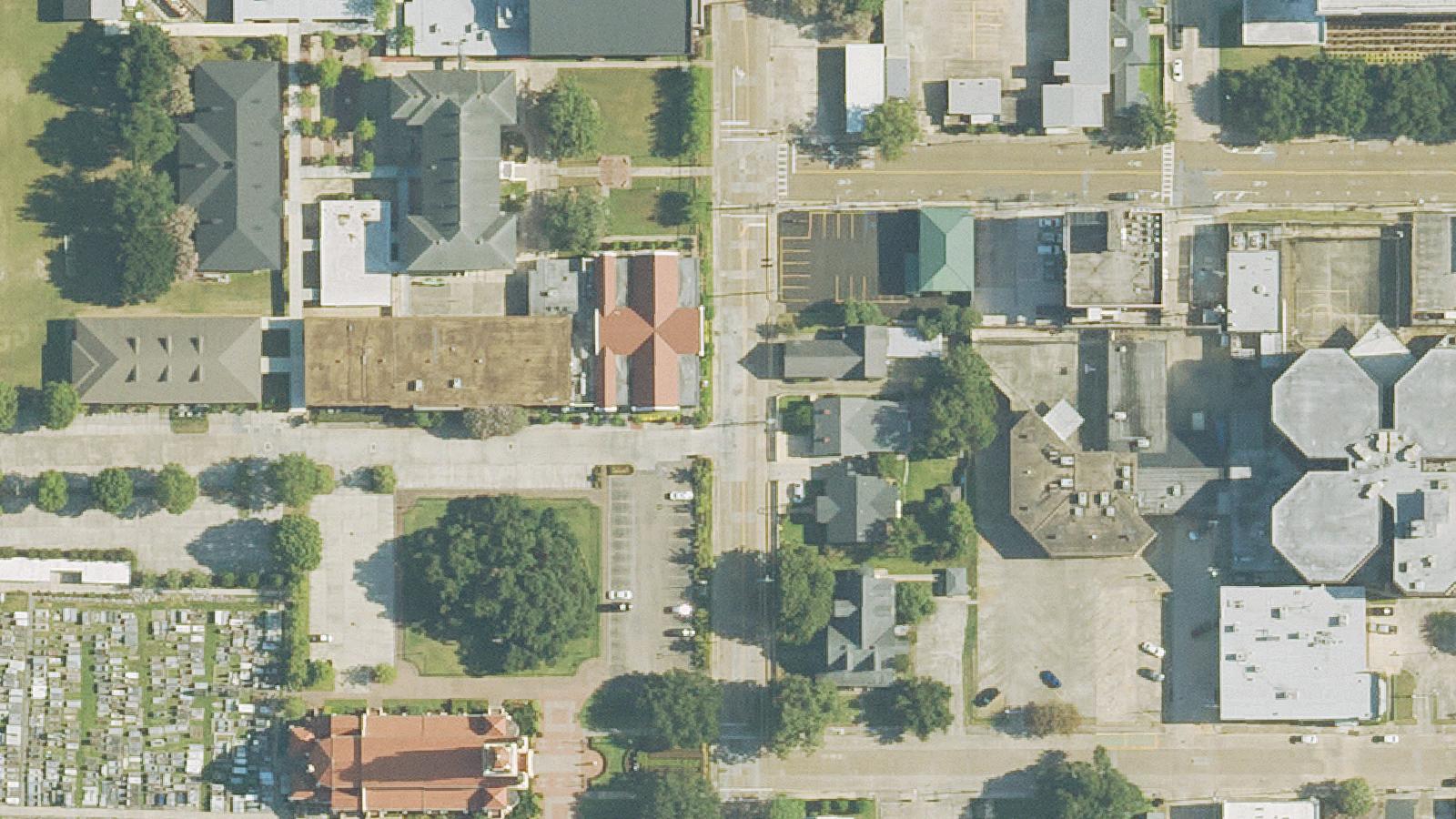
St. John Cemetery was established in 1821 on land adjacent to St. John's Cathedral — itself one of the founding institutions of the settlement that became Lafayette, Louisiana. The church and cemetery predated the formal incorporation of Lafayette and served the Cajun Catholic community that settled the Vermilion River corridor during the early 19th century.
Among the earliest and most significant burials is Jean Mouton, the founder of the town of Vermilionville — the predecessor settlement to Lafayette. His grave marks the physical link between the city's origin and its oldest surviving sacred space. His descendant, Alfred Mouton, also rests here: a Confederate general who rose to command forces in the Trans-Mississippi theater of the Civil War and was killed at the Battle of Mansfield on April 8, 1864. Alfred Mouton's monument is one of the most visited in the cemetery by history researchers and Civil War enthusiasts.
Jefferson Caffery, who served as a U.S. diplomat and Ambassador to multiple countries during the mid-20th century, is also interred here, representing the cemetery's role as a continuing repository for Lafayette's civic leadership across generations.
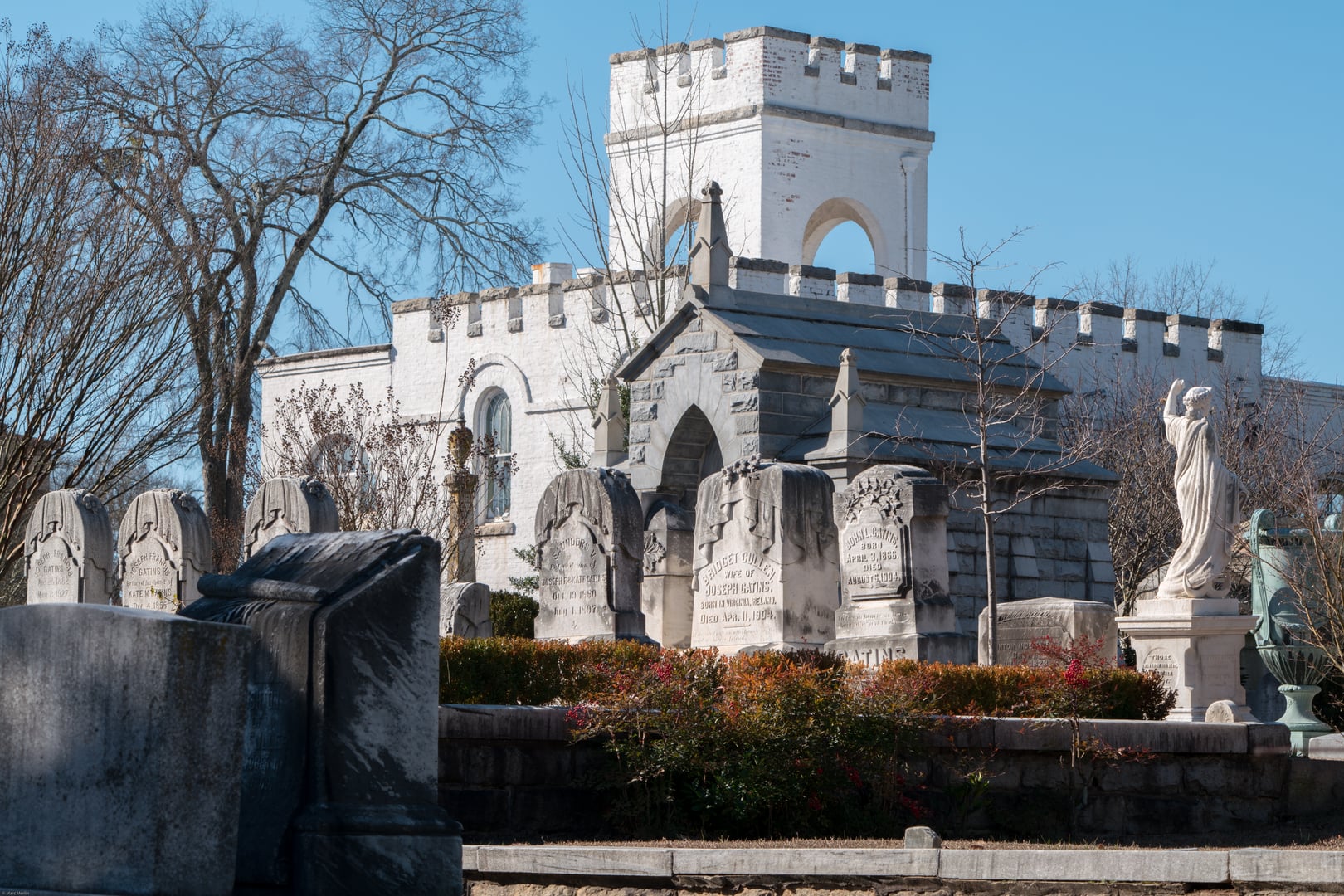
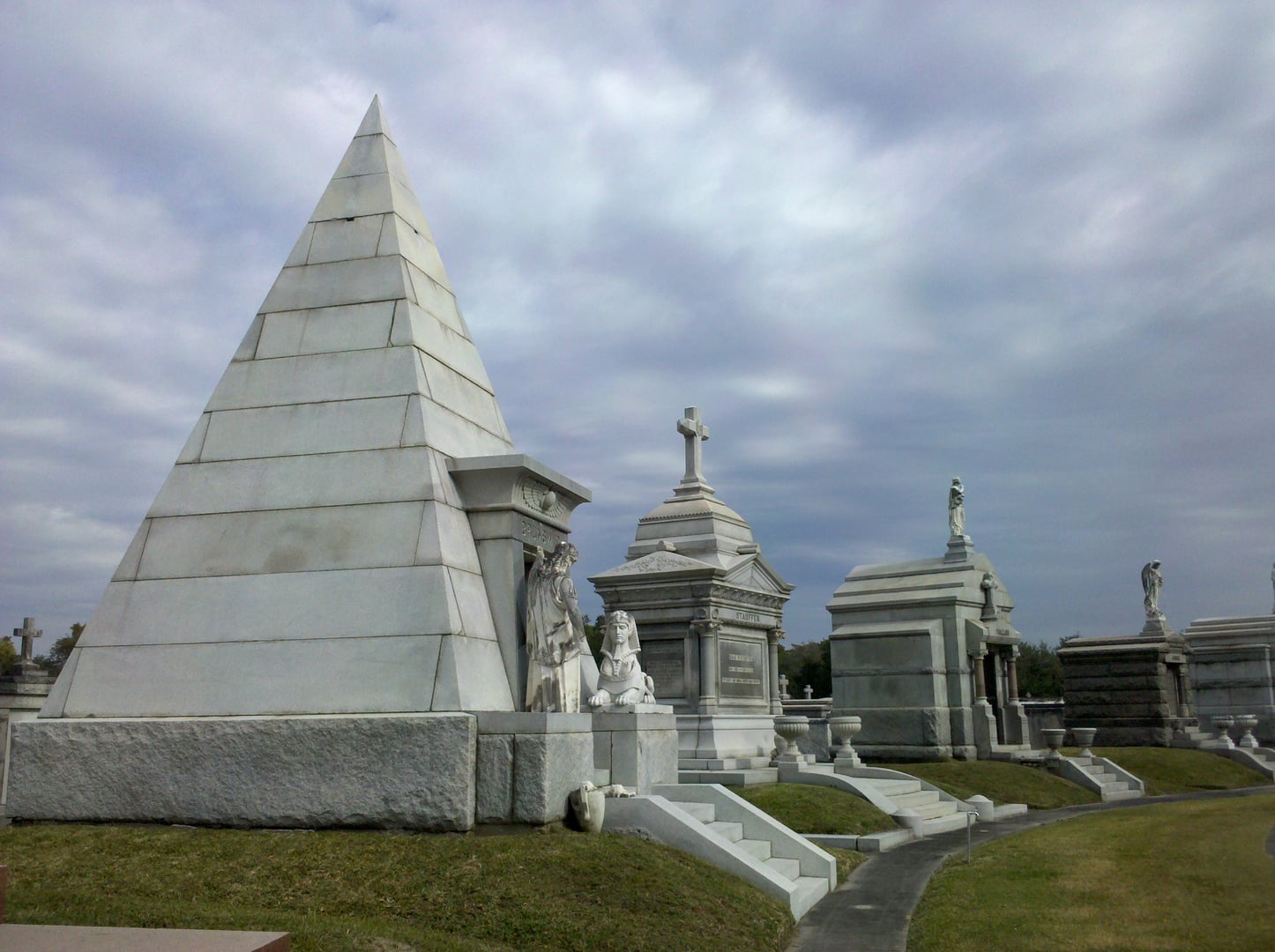
The above-ground vault architecture throughout the cemetery reflects the prevailing South Louisiana burial tradition — necessitated historically by the high water table — and gives the grounds a visual density and atmosphere distinct from American cemetery conventions elsewhere. KLFY documented the cemetery's history and its community significance in a local television segment on Acadiana's hidden history.
Sources
- https://www.klfy.com/local/acadianas-hidden-history-st-johns-cemetery/
- https://acadianahistorical.org/items/show/23
- https://www.lafayettetravel.com/blog/stories/post/top-10-scariest-places-in-acadiana/
Atmospheric historical site; no specific recurring paranormal reports documented in sources
St. John Cemetery's inclusion in Lafayette's dark-tourism landscape rests primarily on its age and the atmospheric character of a pre-Civil War above-ground vault cemetery holding two centuries of the city's history. The graves of Confederate officers, early colonial settlers, and mid-century diplomats give the grounds a density of historical narrative that draws visitors interested in Acadiana's past as much as its paranormal reputation.
The KLFY local television documentary on the cemetery's history — framed as 'hidden history' — reflects the way the site functions more as a heritage attraction than a conventional haunted location. The cemetery has not generated the specific phantom accounts or named entity reports that characterize Lake Charles's downtown circuit or the plantation sites to the east. What it offers is the visual and historical weight of one of Louisiana's oldest functioning Catholic burial grounds: the specific vault styles of early Cajun Catholic practice, the bilingual French-English monument inscriptions of the 1800s, and the proximity of figures like Jean Mouton and Alfred Mouton that make the Civil War and colonial settlement history tangible.
The Lafayette tourism board groups it with the region's 'scariest places' based on atmosphere and historical significance rather than documented paranormal activity. It is a site that rewards visitors with historical knowledge more than those seeking active encounter reports.
Notable Entities
Jean MoutonAlfred MoutonJefferson Caffery
Where this legend is told