Guided Tour Booking Required
Blue Grass Trust Tour
The Blue Grass Trust offers occasional tours of Pope Villa, focusing on Benjamin Henry Latrobe's architecture and the ongoing preservation project.
- Duration:
- 1 hr
HauntBound archive · catalog record
Reported phenomena, as catalogued
1811 neoclassical Benjamin Henry Latrobe villa in suspended preservation, on Lexington ghost-tour itineraries primarily through its long state of haunting decay.
326 Grosvenor Avenue, Lexington, KY 40508
Research updated June 2026
Age
All Ages
Cost
Free
Tours offered by the Blue Grass Trust by appointment and during scheduled open-house events. Some tours are free; donations welcomed.
Access
Limited Access
Building is in partial preservation; uneven surfaces and stairs throughout. Hard hats may be required on certain tours.
Equipment
Photos OK
Est. 1811 · Benjamin Henry Latrobe Design · Neoclassical Architecture · National Register of Historic Places · Blue Grass Trust Preservation
Benjamin Henry Latrobe was the leading professional architect in the early American republic, responsible for substantial portions of the U.S. Capitol and the Baltimore Basilica, and best known among architectural historians for introducing professional architectural practice to the United States. Around 1810, Kentucky U.S. Senator John Pope and his wife Eliza commissioned Latrobe to design a villa on the outskirts of Lexington. Construction proceeded between 1811 and 1813.
The villa is a deceptively radical design: a perfect square in plan, two stories tall, with a domed circular rotunda at the center of the second story. Latrobe placed the principal entertaining rooms upstairs around the rotunda, inverting the conventional American hierarchy of formal first-floor rooms over private upper quarters. The exterior is restrained — Latrobe's signature austere neoclassicism — and the interior was originally finished with painted plaster and ornamental millwork in dialogue with European villa precedents.
The house changed hands repeatedly through the 19th and 20th centuries. By the late 20th century it had been subdivided into apartments and was in serious physical decline. A fire in 1987 severely damaged the interior, exposing structural and historical layers and triggering the Blue Grass Trust for Historic Preservation to acquire the property in 1988. The Trust has stewarded an ongoing, multi-decade preservation effort, leaving substantial portions of the interior in a deliberate state of stabilized but exposed condition — burnt lath, original plaster, and shadow patterns of removed partitions all remain visible.
Pope Villa is listed on the National Register of Historic Places and is one of only two surviving residential commissions by Latrobe, making it a rare American building. The Blue Grass Trust offers periodic tours and continues fundraising for the long restoration arc.
Sources
Pope Villa's status as a haunted site is meaningfully different from the other Gratz Park-adjacent properties on Lexington tours. The property is included on US Ghost Adventures' Haunted Lexington Ghost Tour itinerary and is mentioned in Lexington haunted-history writeups, but no detailed witness accounts of apparitions, voices, or specific phenomena anchor the building in published sources beyond tour-guide narration.
Local commentary frequently leans on the building's physical condition: descriptions of Pope Villa as 'in a halted state of deterioration, full of burnt lath, shadows, and crumbling plaster' are common in preservation-blog writeups, and the visual impression is acknowledged by writers to be inseparable from the haunted aesthetic. The fire that damaged the interior in 1987 is a real event that contributes to the haunted framing, but no fatalities are linked to it in any published source we located.
Visitors interested in Pope Villa should treat it primarily as one of America's most architecturally significant Latrobe survivals rather than as a documented paranormal site. The Blue Grass Trust's mission is preservation and architectural interpretation; the ghost-tour stop is a peripheral framing. No specific apparition documentation or formal investigation reports have surfaced.
A later search for additional Pope Villa paranormal sources returned only architectural-history results (Wikipedia, SAH Archipedia, Blue Grass Trust, Kentucky Historical Society). No second independent source describing a specific apparition or paranormal incident surfaced.
Media Appearances
The Blue Grass Trust offers occasional tours of Pope Villa, focusing on Benjamin Henry Latrobe's architecture and the ongoing preservation project.
Some links on this page may earn HauntBound a small commission when you book, at no extra cost to you. Our editorial picks are independent. Full disclosure
Every HauntBound history is researched from documented sources. We clearly separate verified historical fact from paranormal folklore.
Free Guide
11 verified stops, rated for families, mapped in order. Free.
One email to confirm, then the guide link. Unsubscribe anytime.
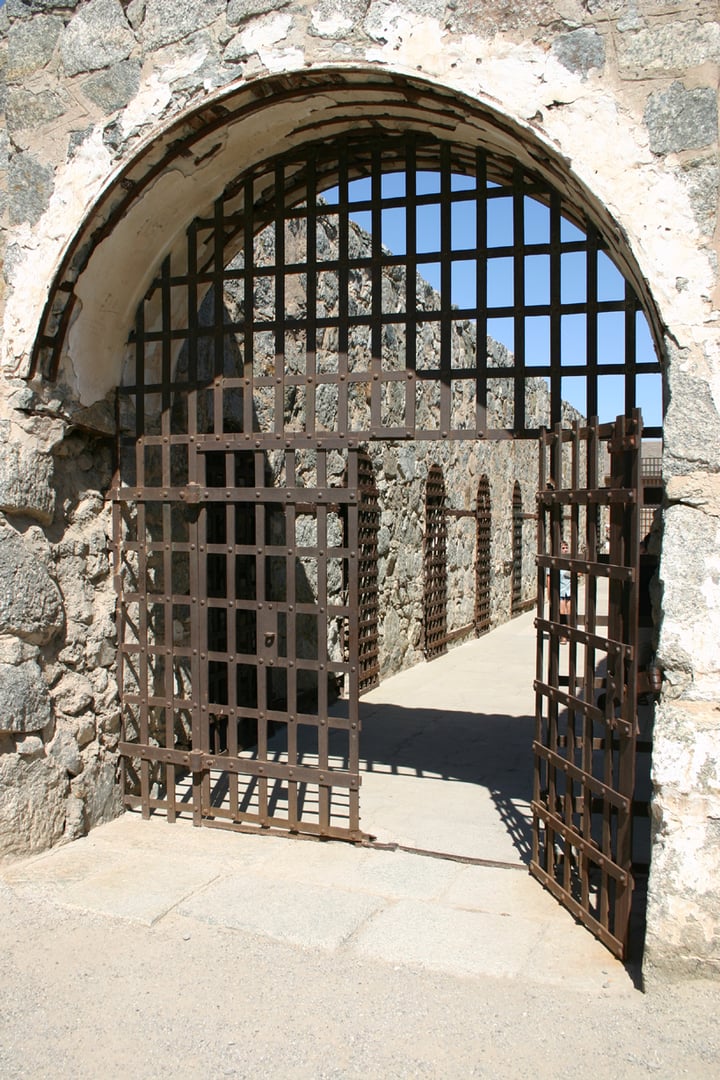
Yuma, AZ
Yuma Territorial Prison operated from 1876 to 1909 on a bluff overlooking the Colorado River in Yuma, Arizona. It held 3,069 prisoners during its 33-year operation, including 29 women. The facility became a state historic park and has been voted by USA Today readers as the Best Haunted Destination in the nation.
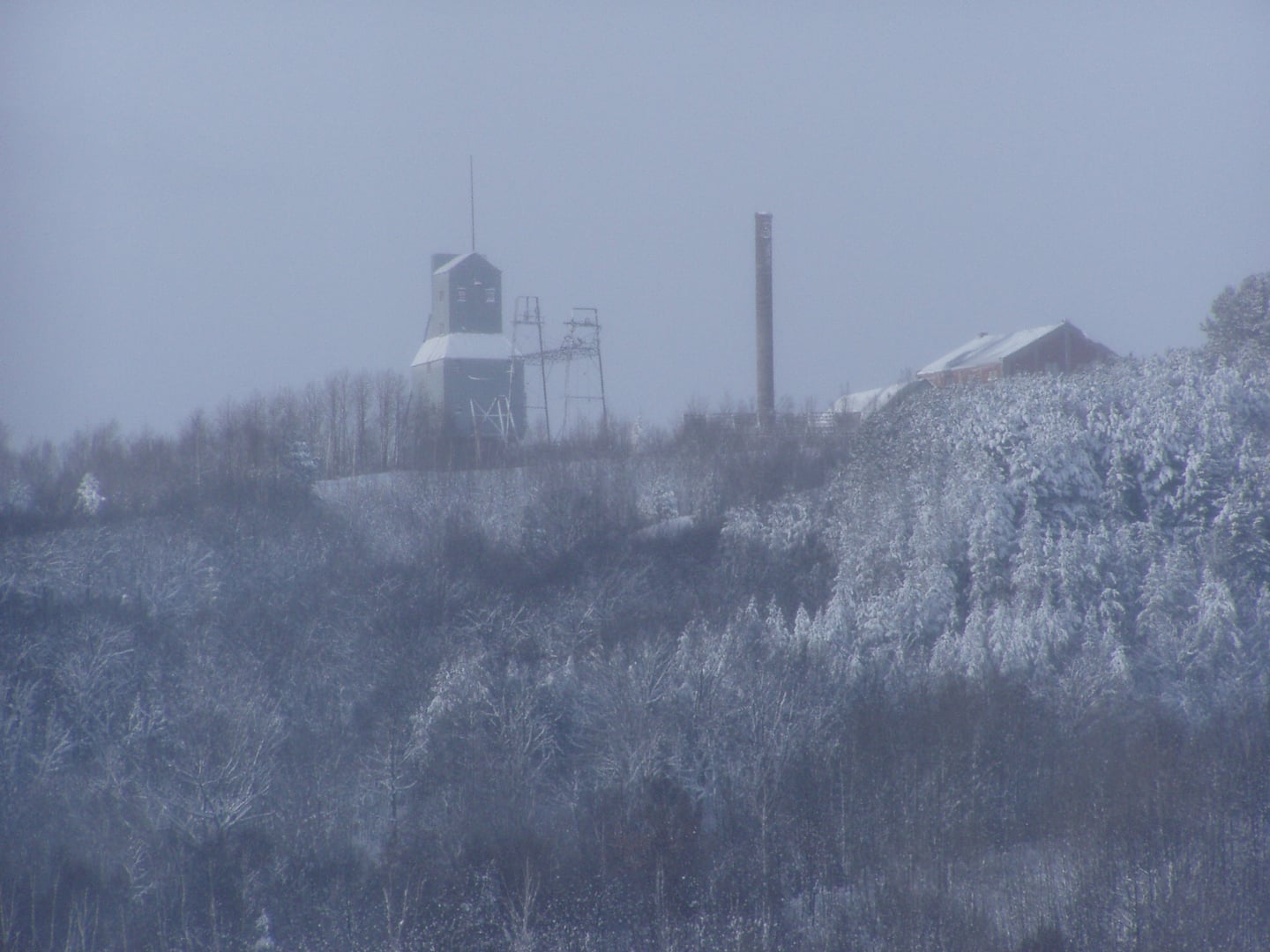
Hancock, MI
The Quincy Mining Company began extracting copper from the Keweenaw Peninsula in 1846 and operated continuously until 1945, producing nearly a billion pounds of copper. During that period, 253 workers died in documented underground accidents. At its deepest, the mine reached 9,000 feet — the deepest copper mine in the world at the time — and its No. 2 shaft hoist house is a National Historic Landmark.
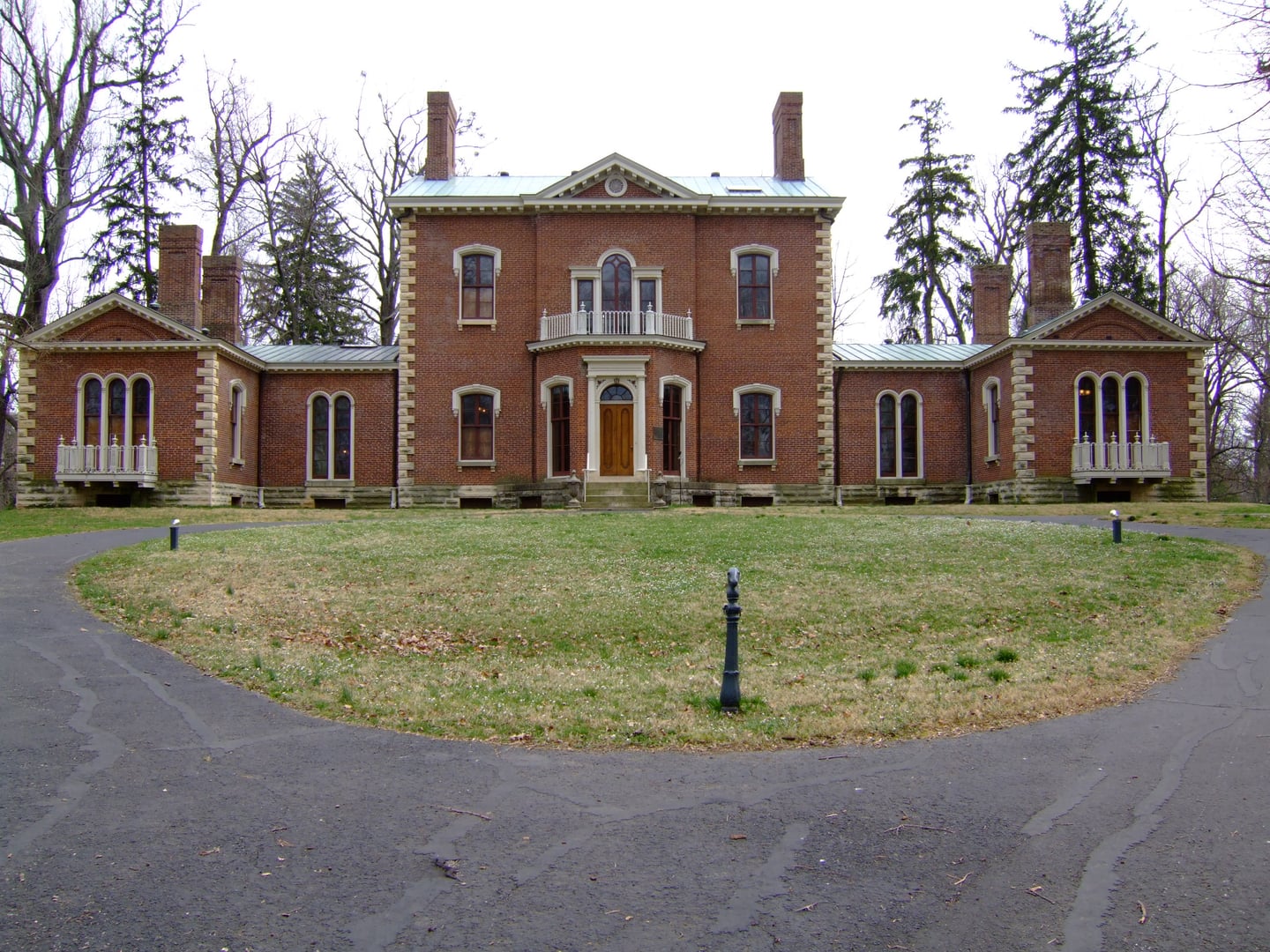
Lexington, KY
Ashland was the country estate of Henry Clay, the Kentucky senator, Speaker of the House, Secretary of State, and three-time presidential candidate known as the Great Compromiser. Clay began acquiring the land in 1804 and lived at Ashland from roughly 1806 until his death in 1852. The current mansion is an 1857 reconstruction by his son James Clay after the original house was demolished due to structural failures. The estate is a National Historic Landmark and a working historic-house museum on 17 surviving acres.