Est. 1796 · National Register of Historic Places · John Brown — Kentucky's first U.S. Senator · Federal domestic architecture · Kentucky statehood history · Franklin County History
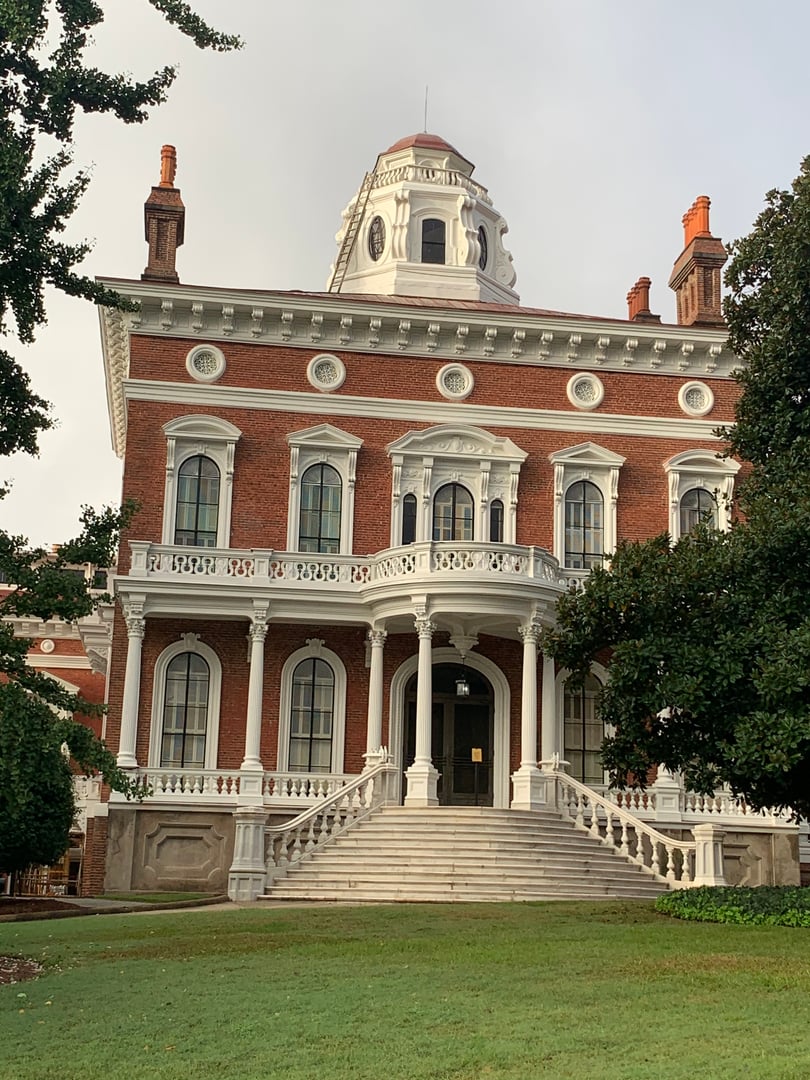
John Brown was among the most influential figures in early Kentucky: one of the architects of Kentucky statehood and the state's first U.S. Senator, serving from 1792 to 1805. The mansion whose construction began in 1796 at the corner of Wilkinson and Washington Streets in Frankfort reflects the Federal architectural style then current in the eastern United States — symmetrical facade, elaborate interior woodwork, and a commanding position above the Kentucky River.
Brown's wife Margaretta Mason Brown was the family's social anchor; the house served as a center of early Frankfort political life. Their circle included figures at the national level — the house hosted multiple U.S. presidents over the course of Brown's life.
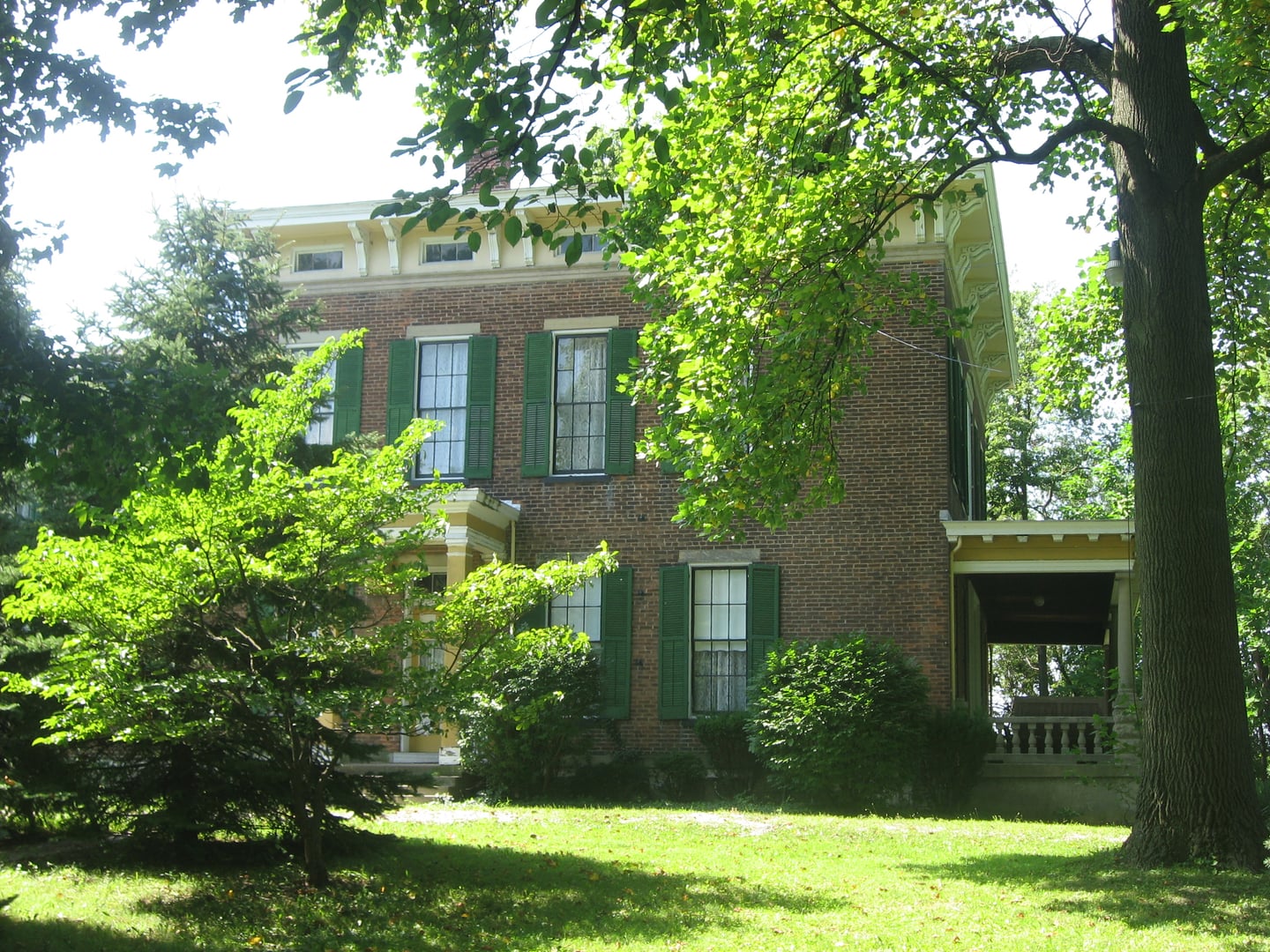
The adjacent Orlando Brown House, built in 1835 by architect Gideon Shryock for John Brown's son Orlando, stands on the same property. The two houses together represent a documented multi-generational American political family in physical form — the original Senator's house and the son's more elaborate Italianate structure on the same grounds.
The Kentucky Landmarks Foundation acquired both properties in the 20th century and has operated them as a museum and educational site. The site is listed on the National Register of Historic Places and is considered one of the finest examples of Federal domestic architecture in Kentucky.
Sources
- https://libertyhall.org/more/haunted-history
- https://spectrumnews1.com/ky/louisville/news/2025/10/10/liberty-hall-haunts
- https://en.wikipedia.org/wiki/Liberty_Hall_(Frankfort,_Kentucky)
- https://www.wuky.org/wuky-news/2025-10-21/the-gray-lady-liberty-hall-tour-showcases-frankforts-most-famous-ghost
- https://www.lex18.com/news/covering-kentucky/spooky-sunrise-who-is-the-gray-lady-at-frankforts-liberty-hall
ApparitionsGray Lady on staircaseFigure in gardenSoldier near Palladian windowStaff sightings in back bedroom
Liberty Hall's paranormal record is unusually specific compared to most haunted-house traditions. The official museum documentation names three distinct presences and provides historical grounding for two of them.
The Gray Lady is the most frequently reported figure. She has been identified in museum records as Margaretta Varick, a relative of the Brown family who traveled from New York to visit and died unexpectedly at the house in 1817. Her apparition — gray-toned, appearing on or near the staircase — was reportedly captured in a photograph taken in 1965 by a visitor who did not realize what the image showed until it was developed. The photograph has been cited in multiple subsequent accounts of the house's history. Staff in 2025 continued to document sightings in the back bedroom and near the Palladian window, as reported by Spectrum News 1.
The second presence, Madame Rosa, occupies a more unusual position in the record. Described as a Spanish opera singer who was a guest at the house in 1805, she allegedly disappeared from the garden without explanation and was never located. Her presence is documented in the garden area and in the rooms adjacent to it.
The third figure — a soldier associated with the War of 1812 — is less specifically documented but appears in the museum's own account of the house's paranormal history. His appearances cluster near the Palladian window that characterizes Liberty Hall's architectural identity.
Notable Entities
The Gray Lady (Margaretta Varick)Madame RosaWar of 1812 soldier