Est. 1850 · Kentucky State Arsenal 1850 · Gothic Revival civic architecture · Civil War border-state history · Confederate occupation of Frankfort October 1862 · Only Confederate occupation of a Union state capital
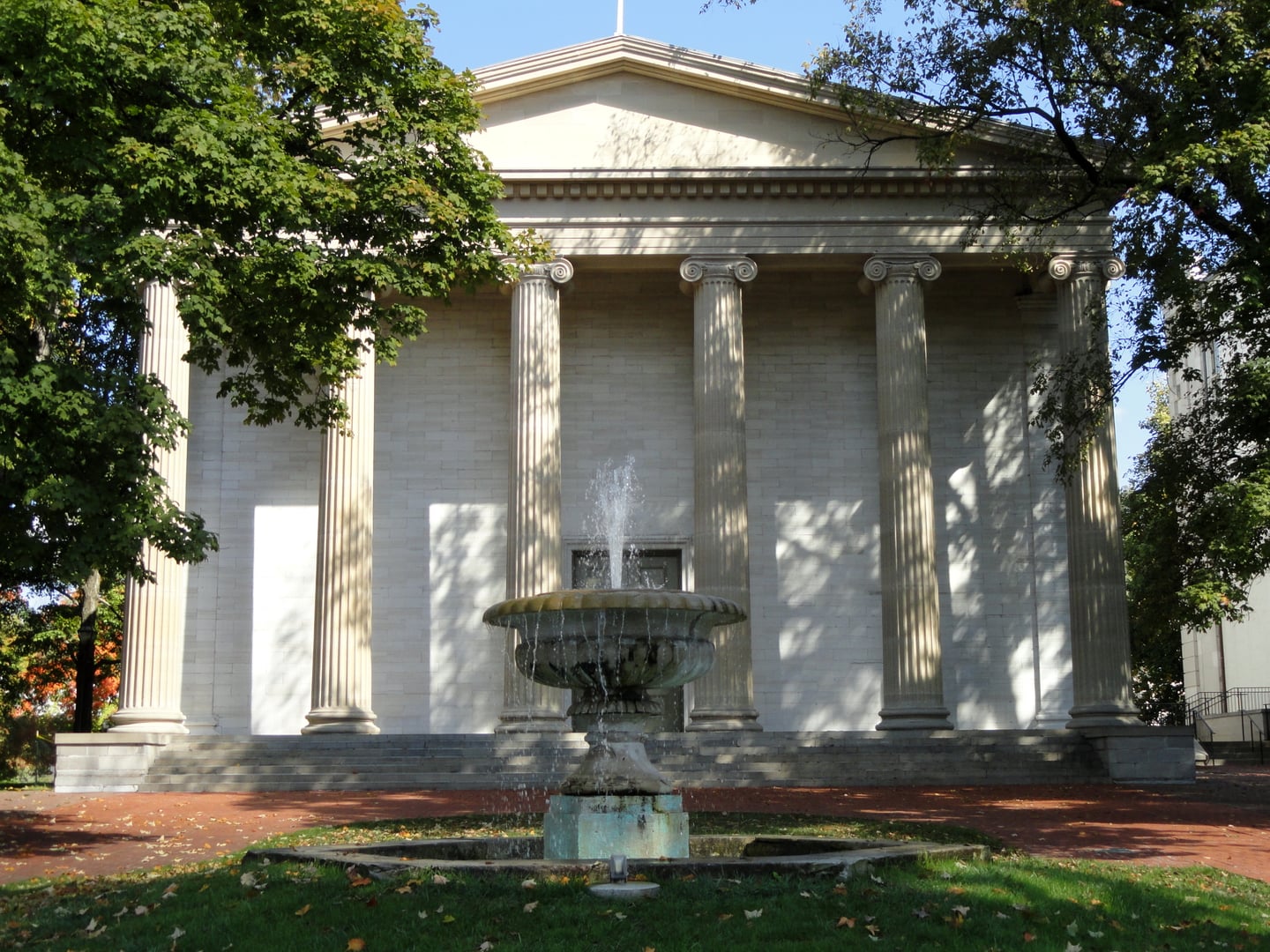
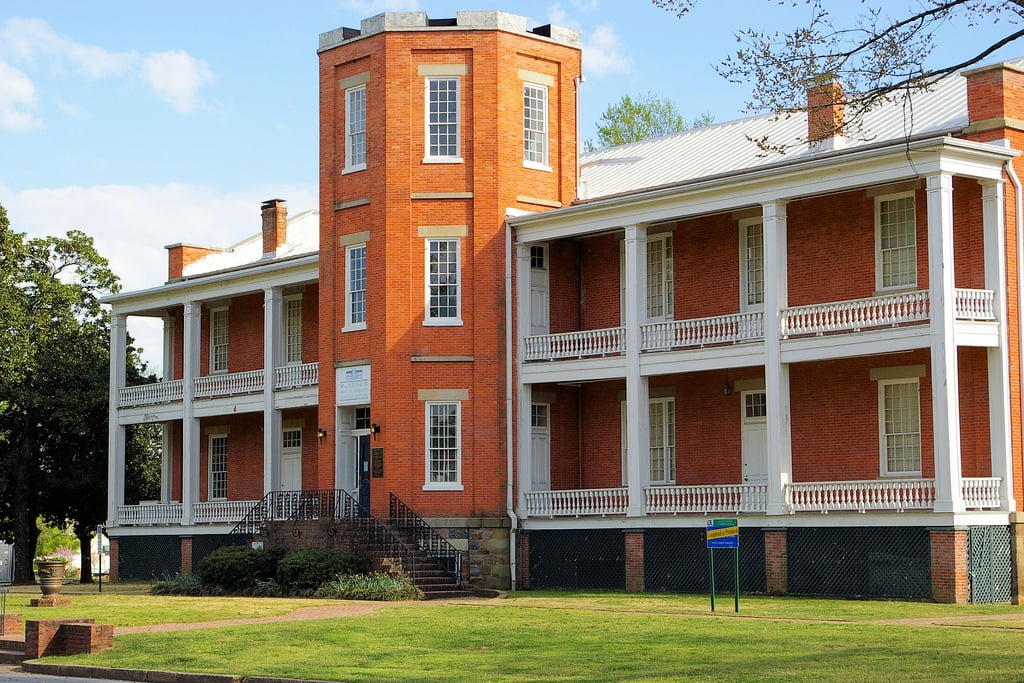
The building at 125 E Main Street was constructed in 1850 as the Kentucky State Arsenal — the facility responsible for storing and maintaining the state's military equipment. Its Gothic Revival design was intentional: the crenellated towers and thick ashlar limestone walls communicated governmental permanence and martial seriousness in a period when state arsenals needed to project authority.
Kentucky's position as a border state made the building's role particularly complex during the Civil War. When Confederate General Braxton Bragg's forces swept through Kentucky in the fall of 1862, they briefly occupied Frankfort in late September and early October — the only Confederate occupation of a Union state capital during the war. The arsenal's status during this period placed it at the intersection of both war efforts in the state.
Union forces subsequently used the facility as a munitions production site, manufacturing and storing arms for the effort to hold Kentucky in the Union. The building served as a military facility through the late 19th century before transitioning to its current role as a museum.
The Kentucky Historical Society operates the museum as part of its Frankfort campus. The collection covers Kentucky's participation in military conflicts from the Revolution through the 20th century, with the building's architecture and Civil War history as its most distinctive interpretive elements.
Sources
- https://history.ky.gov/visit/kentucky-military-history-museum
- https://www.roadsideamerica.com/story/37113
- https://en.wikipedia.org/wiki/Battle_of_Augusta_(1862)
Flickering lightsIcy hands sensation near displaysApparitions
The Kentucky Military History Museum's paranormal reputation is largely tour-operator sourced rather than independently documented through staff or visitor accounts separate from the ghost-tour industry. That provenance matters: the Confederate soldier figure and the icy-hands phenomenon appear in multiple ghost-tour operator descriptions of the Frankfort historic district, but the primary venues for those accounts are tour companies rather than museum staff reports or news coverage.
The physical details that do appear consistently — flickering lights in specific areas of the building, particularly near the restrooms and exhibition cases on upper floors, and a localized cold sensation described as icy hands touching arms and shoulders near certain displays — are specific enough to be notable even when sourced through tour operators. These accounts appear across multiple tour companies operating in Frankfort, which provides some corroboration in that independent operators are citing similar phenomena in similar locations.
The Confederate soldier attribution makes contextual sense: the building was a Union military facility briefly occupied by Confederate forces, and several individuals could have died on or near the premises during the October 1862 occupation period. That historical grounding does not verify the paranormal account, but it's the kind of historical resonance that typically underlies persistent place-based ghost traditions.
Notable Entities
Unidentified Confederate soldier