Est. 1798 · Beaufort Volunteer Artillery Armory · Colonial-Era Military Architecture · Civil War Occupation Site · Beaufort Historic District
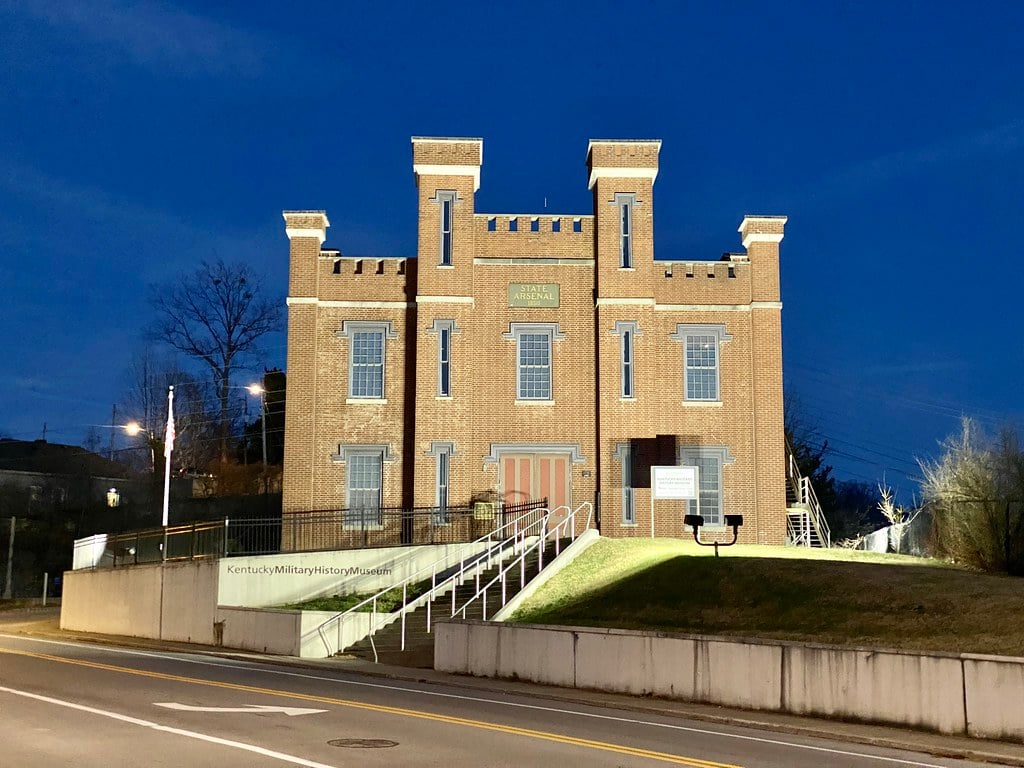
The Beaufort Arsenal was constructed between 1798 and 1799 in the tabby-and-brick hybrid common to Lowcountry military construction. It served as the magazine and equipment store for the Beaufort Volunteer Artillery, a militia unit with roots in the colonial period. The building's thick walls and vaulted ground floor reflect its original function as a powder magazine.
During the Civil War, Beaufort fell to Union forces within days of the Battle of Port Royal in November 1861. The Arsenal, as a military facility, came under Union control along with the rest of the city's infrastructure. It continued in military use during the occupation and through the following decades under various state and local authorities.
By the twentieth century the building had transitioned to civic and cultural uses. The Beaufort History Museum moved into the space and operates it as a repository for Beaufort County's documented past, with collections covering the colonial, antebellum, Civil War, and modern periods.
The building sits at 713 Craven Street in Beaufort's historic core, within walking distance of the waterfront and several other documented historic structures. Its tabby walls and iron-gated entrance remain largely intact from the original construction.
Sources
- https://southcarolinalowcountry.com/the-beaufort-arsenal-museum/
- https://explorebeaufortsc.com/beaufort-area-museums/
- https://www.eatstayplaybeaufort.com/a-collection-of-beauforts-most-haunted-tales/
ApparitionsFull-body apparition at gate
The paranormal account most consistently attached to the Arsenal concerns a male figure in Civil War-era dress observed near the building's front gate. According to accounts documented by Beaufort-area ghost tour operators and local history writers, the figure turns toward any observer present, offers a polite nod, and then passes through the closed iron gate before disappearing somewhere on the interior grounds.
The account is specific in its repeated elements: the deliberate acknowledgment of observers, the passage through solid material at the gate, and the subsequent disappearance on the grounds rather than continuing down the street. Ghost-tour accounts consistently describe the figure as uniformed, though the specific uniform affiliation (Union or Confederate) is disputed across tellings.
The Arsenal's history as a military facility through multiple wars, its solid masonry construction, and its prominent position on Craven Street make it a natural anchor point for Beaufort ghost-tour narratives. The building appears on several organized walking-tour routes. Because it now houses a functioning museum, visitors have daytime access to the grounds and entrance area.