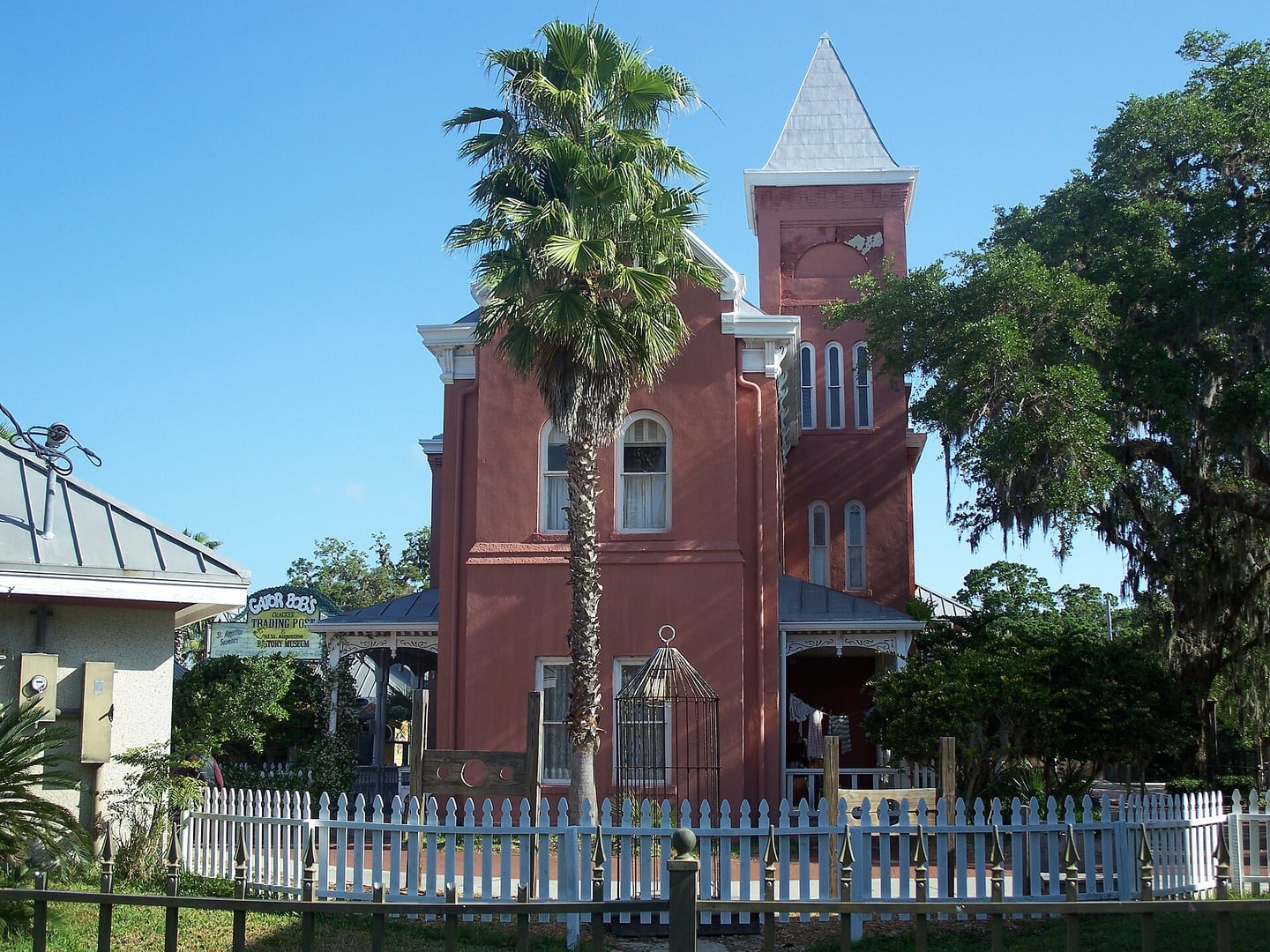
Est. 1887 · Medical History · Surgical Facility · Romanesque Revival Architecture · Kentucky Healthcare Heritage
The building that now houses the Bluegrass Heritage Museum began as a private medical practice in 1887 when constructed by Dr. Ishmael. The Romanesque Revival architecture, with its distinctive arched windows and heavy stone construction, anchored the corner of Main Street in Winchester for nearly four decades.
The facility expanded significantly in 1927 when physician Dr. Edward Putney Guerrant purchased the building and established the Guerrant Clinic and Hospital. Under Guerrant's direction, the structure evolved into a full surgical facility with operating rooms, patient wards, and morgue facilities. The hospital continued operations under Guerrant's son following the elder physician's departure, maintaining medical services until its closure in 1971.
The building remained vacant and deteriorated for roughly three decades. Beginning around 2000, community preservation efforts initiated renovation. The first floor opened as a museum in 2004, with subsequent floors requiring extensive restoration work completed over the following six years. The renovation included structural repairs, accessibility upgrades including an elevator, and careful preservation of the historic surgical suite on the third floor. By 2009, the museum had expanded its collections to include the Pioneer Telephone Museum's holdings of antique communication devices.
Sources
- https://en.wikipedia.org/wiki/Bluegrass_Heritage_Museum
- https://www.bgheritage.com/
- http://theresashauntedhistoryofthetri-state.blogspot.com/2013/09/kentuckys-haunted-bluegrass-heritage.html
Phantom footstepsEVPDisembodied voicesPhantom voicesDisembodied screamingDoors opening/closingCold spotsEMF anomaliesApparitionsOrbs
The Bluegrass Heritage Museum ranks among the most thoroughly documented paranormal locations in Kentucky. The third floor, where surgical procedures once took place, generates the most consistent activity. Visitors and staff have independently captured electronic voice phenomena in the operating room—recordings that document what appears to be overlapping conversations between surgeons and nurses, interspersed with recordings of a man screaming and moaning in apparent surgical agony.
Phantom footsteps represent the most frequently reported phenomena. Multiple witnesses have documented heavy, deliberate footsteps traversing the hallway floors and moving across upper levels of the building. Home video evidence preserved by paranormal investigators captures the unmistakable sound of footsteps walking, then accelerating to a run across floorboards above the observer's location.
Autonomous door movement occurs throughout the structure. Staff and visitors have documented hallway doors shutting, opening, and slamming themselves in sequence without human interaction. Video documentation captures particularly compelling evidence: a locked door on the third-floor hallway has been filmed with its lock unexplainably unlatching and the door slowly opening, observed by witnesses from a distance.
Temperature anomalies present as moving cold spots that manifest and dissipate throughout the building. Electronic field meter readings fluctuate unpredictably in the operating room and morgue areas. Orb photographs have been captured repeatedly by visitors with digital cameras, particularly on the third floor.
Full-bodied apparitions of former clinic employees have been reported over decades by multiple independent witnesses. The visions are described with specificity regarding clothing and appearance consistent with mid-20th-century medical staff. The frequency and consistency of these reports across decades and multiple witness groups suggest intelligent, intelligent haunting phenomena rather than purely residual manifestations.
Notable Entities
Surgical Staff ApparitionsThe Screaming Patient