Outdoor Exploration
Gollihue Hollow Drive
A drive through the remote Gollihue Hollow / Johns Run area near Grayson, the setting of Carter County's long-running woman-in-white legend.
- Duration:
- 30 min
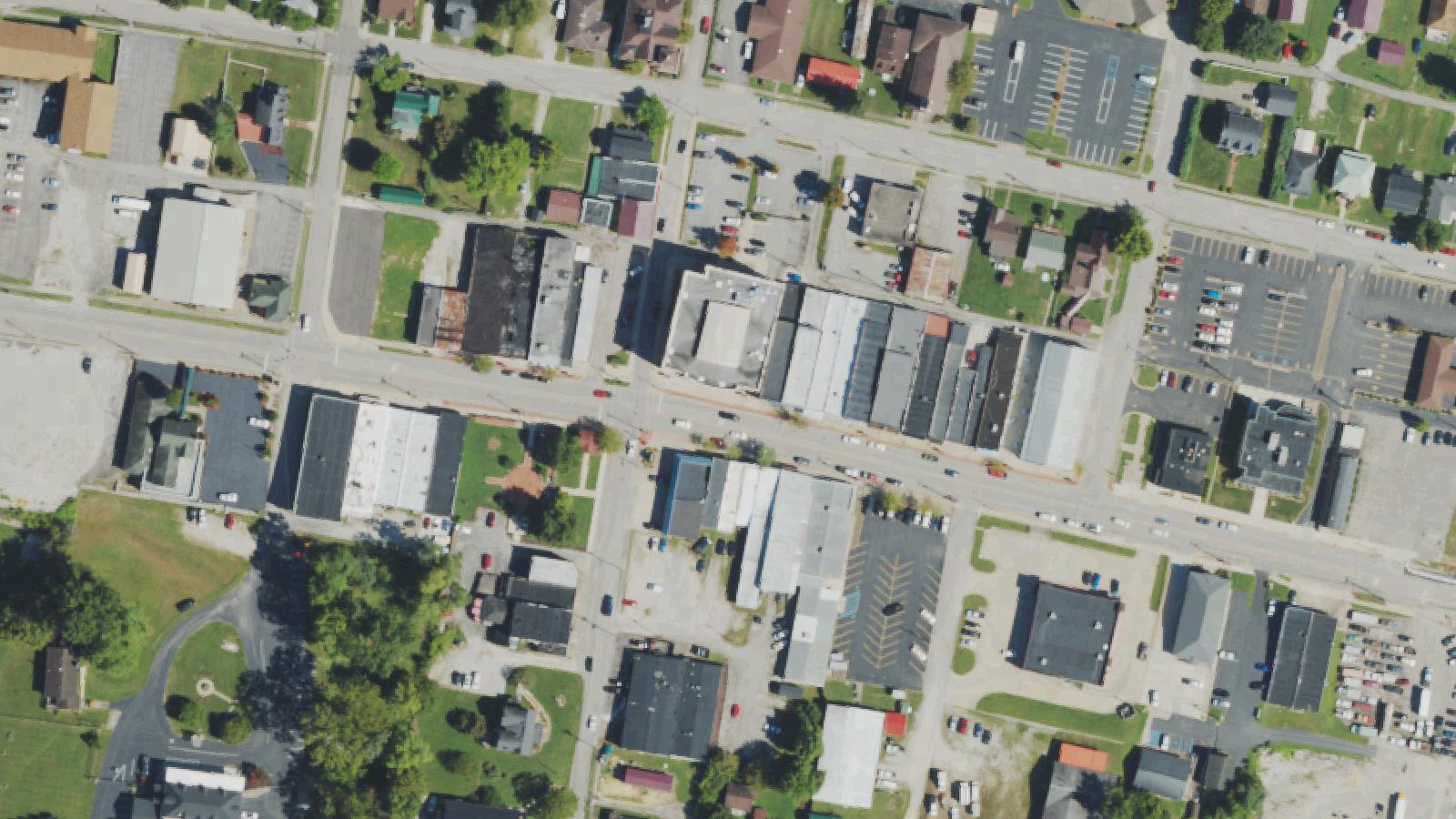 Aerial survey · USDA NAIP · public domain
A wooded Carter County hollow near Grayson, Kentucky, where deer hunters and residents report a silent woman in white said to have died in a farmhouse that burned during the Depression.
Johns Run / Gollihue Hollow (off KY Route 1 near Hitchins), Grayson, KY 41143
Research updated May 2026
Age
All Ages
Cost
Free
Remote rural hollow and woods; no admission. Much surrounding land is private.
Access
Limited Access
Forested Appalachian hollow with rough rural roads; no improved trails.
Equipment
Photos OK
Est. 1900 · Named hollow in the Gollihue family country of Carter County, near Grayson and Hitchins · Associated Gollihue family cemeteries documented in Carter County records
Gollihue Hollow lies in Carter County, in the foothill country of eastern Kentucky near the county seat of Grayson and the community of Hitchins, within the Johns Run area. The Gollihue surname is deeply rooted here; Carter County records and Find a Grave document several Gollihue family cemeteries, including Gollihue Cemetery No. 1, reached by way of Route 1 out of Grayson past Hitchins and then back into the hills along Davys Run and E.K. Mines Branch.
The hollow itself is typical eastern-Kentucky terrain: steep, wooded ridges and narrow bottoms, much of it used for hunting. Old farmsteads once dotted these hollows, and many were abandoned or lost to fire over the 20th century, leaving cellar holes and overgrown clearings in the woods.
The specific Depression-era farmhouse and the death described in the legend are not documented in any newspaper, court, or historical record that could be located. What is verifiable is the place itself, a real and named hollow in Carter County, and the strength and persistence of the local legend attached to it.
Sources
The legend of Gollihue Hollow centers on a strange woman dressed in white who is seen roaming the woods of the Johns Run area. According to the Shadowlands Haunted Places Index and regional ghost-lore sites such as Scary HQ and GhostQuest, she is said to have been killed in an old farmhouse located in the hollow during the Depression era. Residents who lived in that house reportedly had many encounters with her, and after the house burned, she is said to have moved her hauntings out into the nearby woods.
The most consistent detail is that she has been seen by numerous deer hunters, all of whom describe a woman in white moving silently through the trees. The Kentucky Wildlands tourism initiative includes Gollihue Hollow among its regional haunts, and the woman-in-white tradition is repeated across multiple Kentucky folklore collections, giving it currency beyond the original Shadowlands submission.
No identity, name, or documented death has ever been attached to the figure, and the underlying farmhouse tragedy is unverified. The story is best understood as a durable Appalachian woman-in-white legend tied to a genuine, named place rather than a documented historical event.
Notable Entities
A drive through the remote Gollihue Hollow / Johns Run area near Grayson, the setting of Carter County's long-running woman-in-white legend.
Some links on this page may earn HauntBound a small commission when you book, at no extra cost to you. Our editorial picks are independent. Full disclosure
Every HauntBound history is researched from documented sources. We clearly separate verified historical fact from paranormal folklore.
Free Guide
11 verified stops, rated for families, mapped in order. Free.
One email to confirm, then the guide link. Unsubscribe anytime.
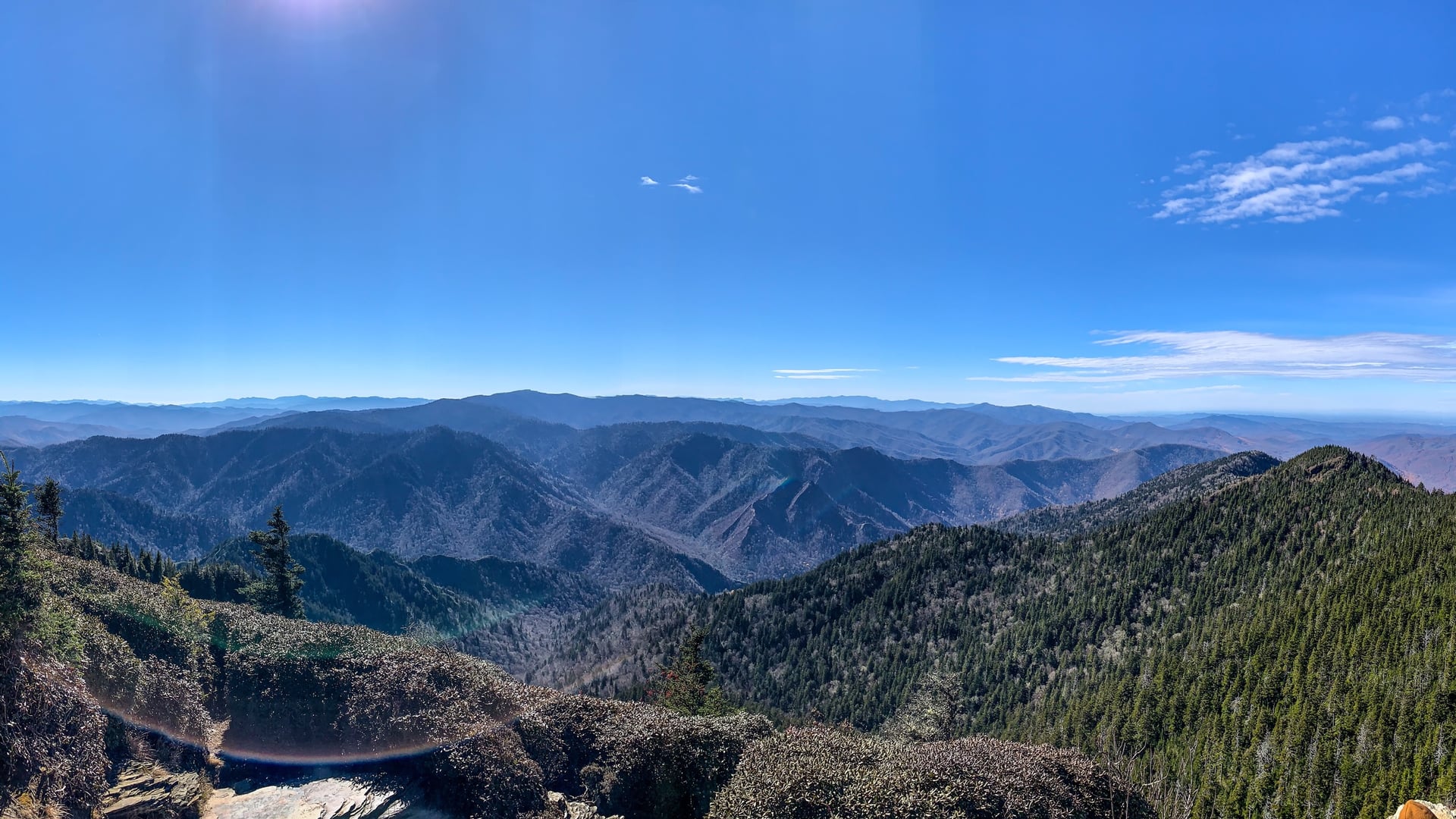
Gatlinburg, TN
Great Smoky Mountains National Park preserves 522,427 acres of southern Appalachian terrain across Tennessee and North Carolina. The land was the heart of the Cherokee Nation before forced removal in 1838 along what became the Trail of Tears, and home to Appalachian Scots-Irish and English settler communities through the early twentieth century. Congress authorized the park in 1926; it was formally dedicated by Franklin D. Roosevelt on September 2, 1940.
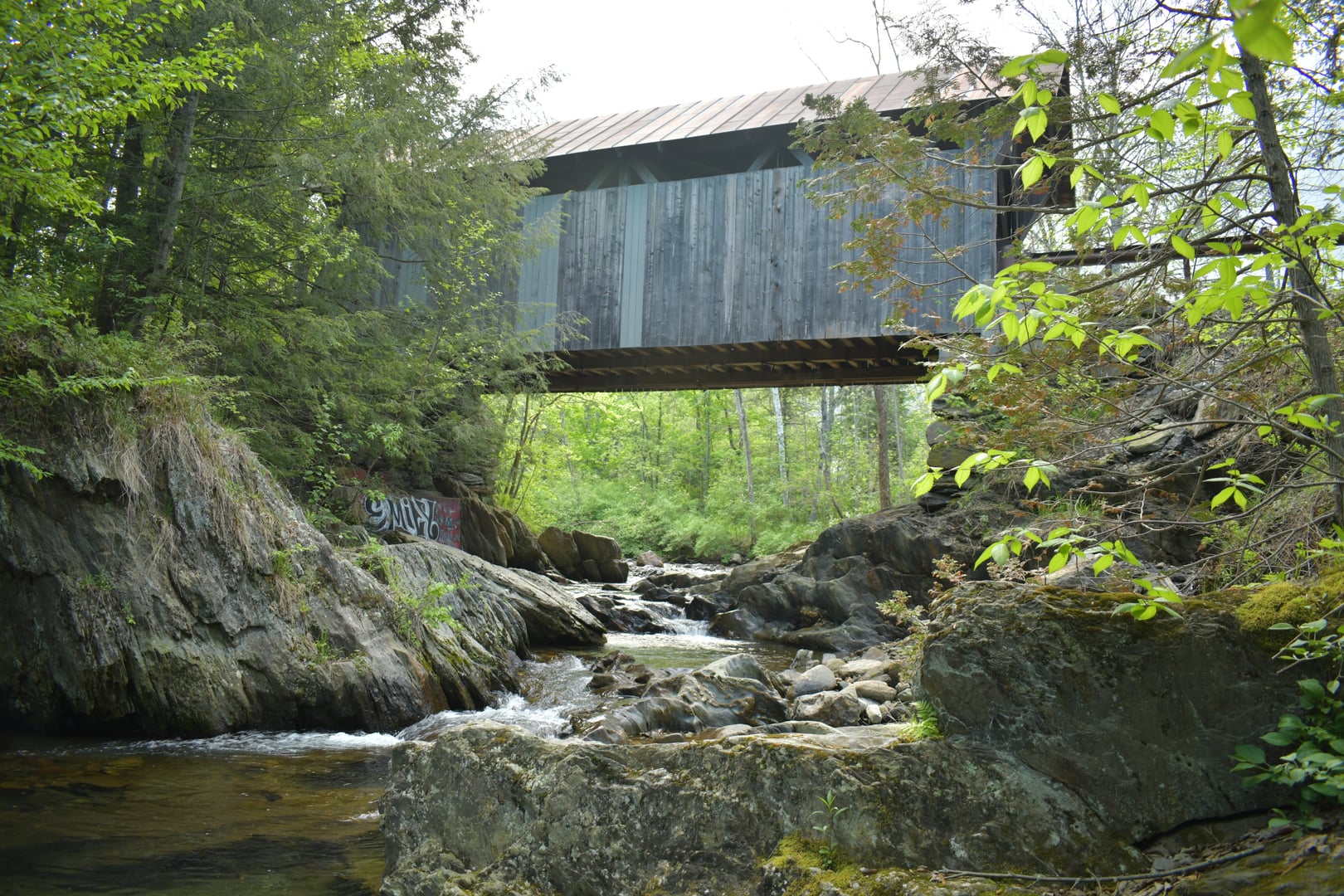
Stowe, VT
The Gold Brook Covered Bridge, locally called Emily's Bridge, was built in 1844 over Gold Brook in Stowe, Vermont. Its National Register nomination identifies it as Vermont's only timber-Howe-truss bridge carrying a public highway at that time, and it was listed on the National Register of Historic Places in 1974.
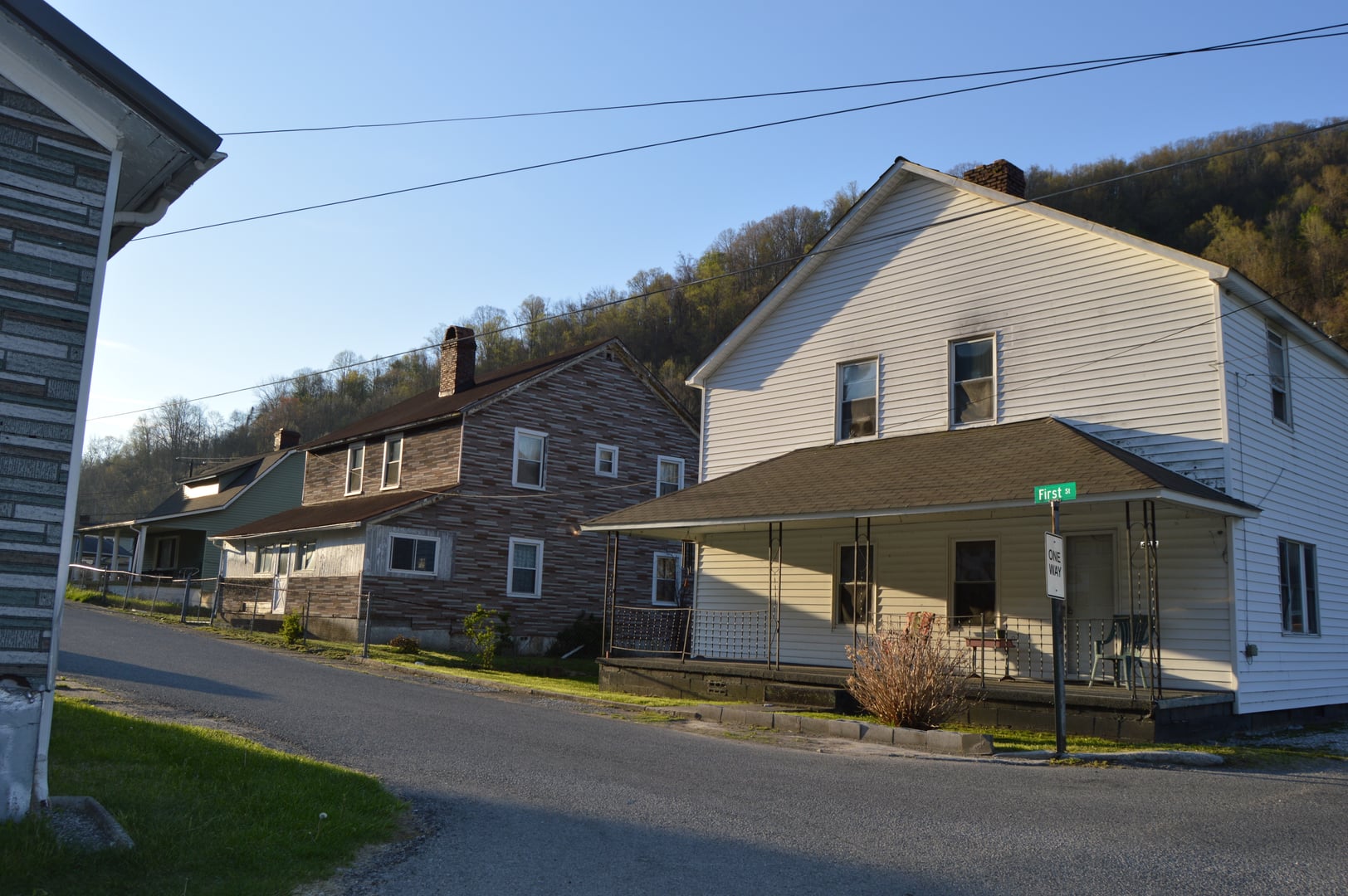
Lynch, KY
Lynch Mountain Road is located in Harlan County, Kentucky, in the heart of the eastern Kentucky coalfields. The Lynch area was developed as a coal company town by U.S. Steel's United States Coal and Coke Company beginning in 1917, one of the largest such developments in Appalachian history. The surrounding mountain roads carry the legacy of intense labor conflict during the Harlan County War of the 1930s.