Est. 1991 · One of Kansas's best-known 'crybaby bridge' folklore sites · Subject of KMUW Past & Present feature and Legends of America coverage · Legend identified by historian Jay Price as likely La Llorona derivative from 1910s-1920s Mexican-American migration · Original bridge burned 1974 and 1976; current bridge built 1991
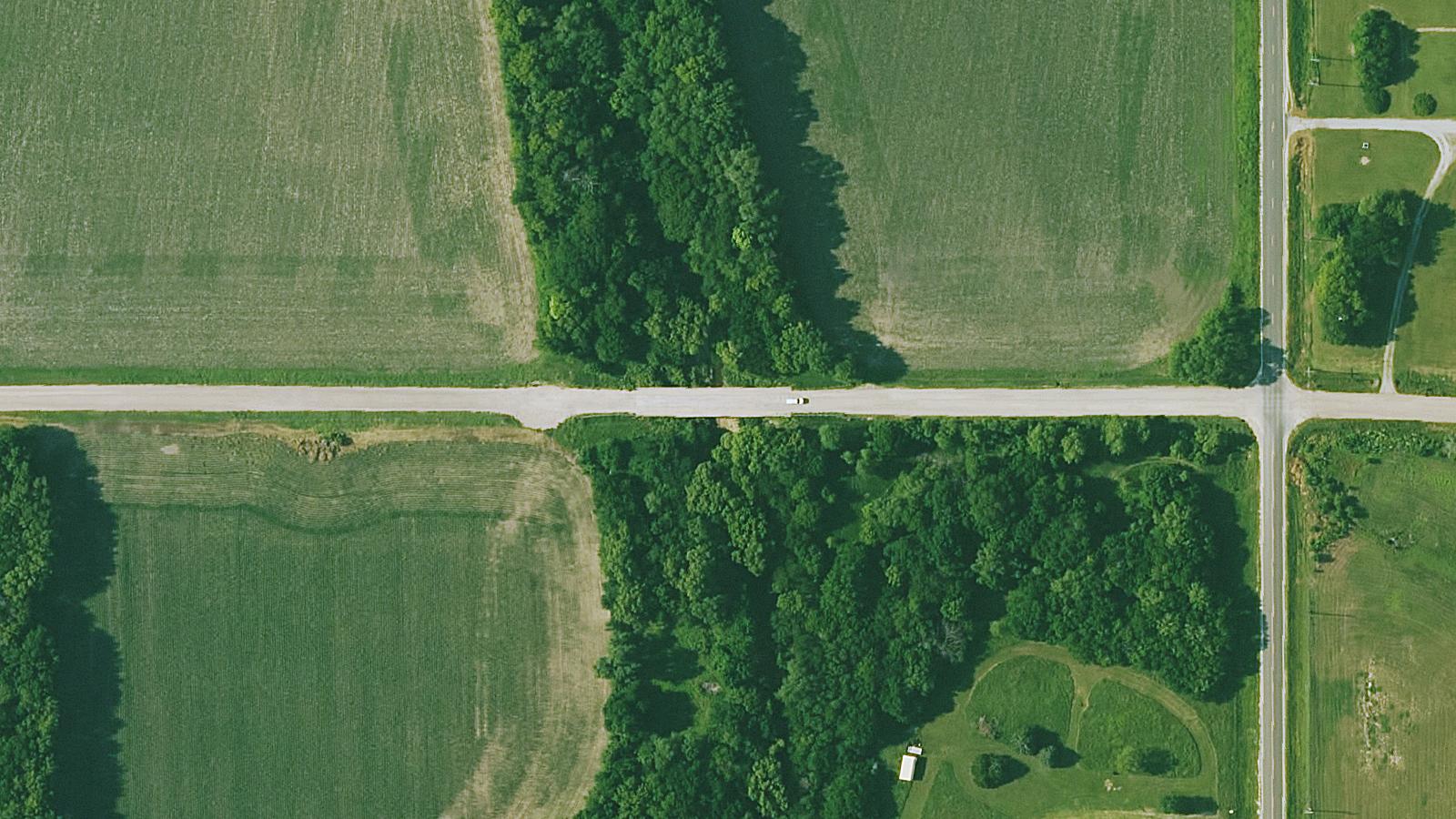
Theorosa's Bridge spans Jester Creek along 109th Street North at its intersection with Meridian Avenue, in unincorporated Sedgwick County roughly three miles north of Valley Center and about 12 miles north of Wichita. The site is also known as the 109th Street Bridge and locally as the 'Crybaby Bridge,' a designation it shares with many similar rural sites across the Midwest.
Valley Center itself was founded in 1872, and the area's roads were laid out in the late 19th century to serve farmsteads on this stretch of the central Kansas plains. The original wooden-and-iron span at the site stood for decades before burning down in 1974. It was rebuilt and burned again in 1976, after which the crossing was closed for approximately fifteen years. In 1991, the county reopened the road and built the current concrete-and-iron bridge that remains in service today.
Despite the bridge's central place in Kansas folklore, no historical record of a woman named 'Theorosa' has been found in Sedgwick County. The KMUW 'Past & Present' history series notes: 'Local papers and the census make no mention of a Theorosa, either as a mother or as a child, in Kansas during the 1800s.' Folklorist and author Jay Price has proposed that the legend likely derives from La Llorona — the widespread Hispanic folktale of a weeping mother haunting waterways — and was probably introduced to the area by Mexican-American agricultural workers who arrived in central Kansas in the 1910s and 1920s.
This sensitive Indigenous-themed variant of the legend (involving a cavalry-versus-native skirmish) has no documented historical basis in Sedgwick County records and is included here with that caveat.
Sources
- https://en.wikipedia.org/wiki/Theorosa's_Bridge
- https://www.kmuw.org/past-and-present/2017-10-31/past-present-theorosas-bridge
- https://www.legendsofamerica.com/ks-theorosabridge/
- http://hutchcollegian.com/2018/10/19/spooky-legends-theorosas-bridge-continues-to-haunt/
- http://hutchcollegian.com/2023/10/24/theorosas-bridge-as-scary-as-the-legend-says/
Floating balls of light over Jester CreekShadowy female apparition on the bridgeSounds of a crying baby and weeping womanDrumming sounds (Indigenous-variant element)Cars stalling on the bridgeVehicles shaking while crossingTheorosa attacking visitors who call her name
The Theorosa story exists in several variants. The most widely told version says that a young unmarried woman named Theorosa, ashamed of an illegitimate child, drowned her baby in Jester Creek to hide her circumstance — and later, overcome with guilt, drowned herself in the same waters.
A second version involves an engaged woman who fell in love with another man and bore his child. In a jealous rage, her fiancé threw the infant from the bridge into the creek; Theorosa jumped after the baby and drowned trying to save it.
A third version, set in the frontier period, describes a skirmish between U.S. cavalry and an Indigenous community living along Jester Creek, in which a native woman is stabbed and her child drowned. This Indigenous variant has no documented historical basis and should be approached as folklore rather than history; researchers note it may have been grafted on later in the legend's evolution.
Reported phenomena across all versions are remarkably consistent. According to Legends of America, the Wikipedia article, and Haunted Rooms America, visitors describe: floating balls of light over the creek, a shadowy female apparition wandering on and near the bridge, the sounds of a baby crying and a woman weeping, drumming sounds, cars stalling on the bridge, and vehicles physically shaking while crossing.
A persistent ritual element holds that if visitors call out to Theorosa — particularly variations of 'Theorosa, I have your baby' — she will emerge from the water and attempt to attack them. Historian Jay Price's identification of the story as a likely La Llorona descendant fits this pattern: La Llorona is similarly summoned by name and similarly punishes those who provoke her.
Notable Entities
Theorosa (unverified historical figure; likely La Llorona derivative per historian Jay Price)
Media Appearances
- KMUW Wichita — Past & Present: Theorosa's Bridge (2017)
- Legends of America — Ghostly Theorosa Bridge
- Only In Your State — The Story Behind Theorosa's Bridge In Kansas