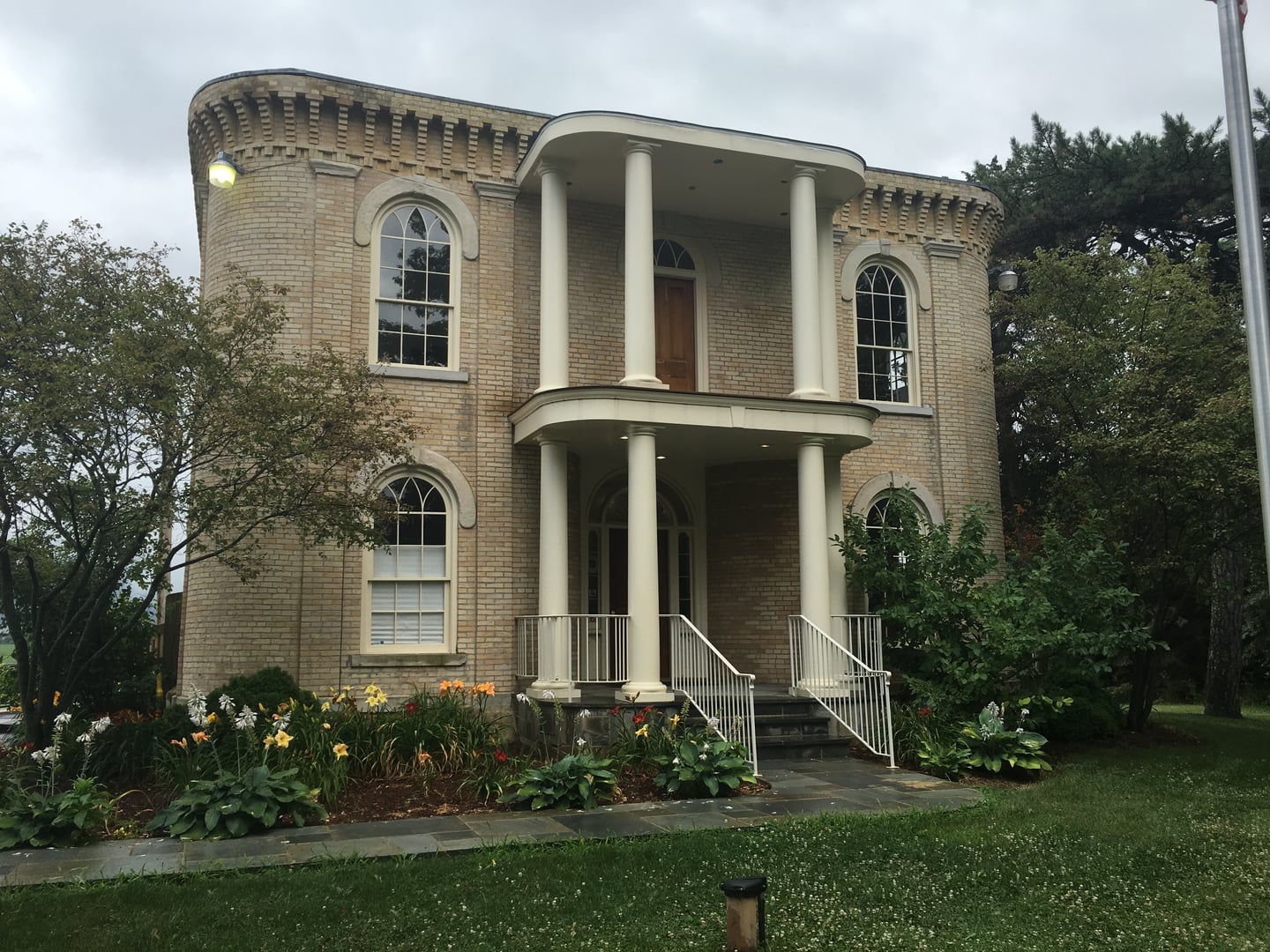
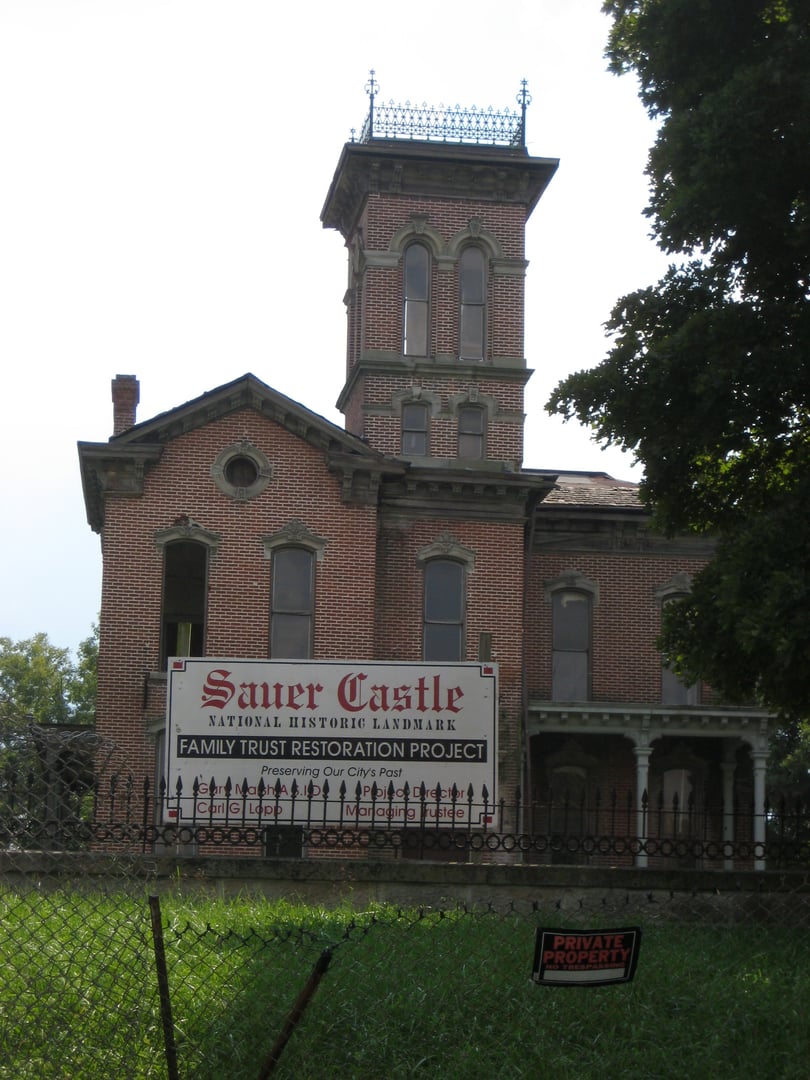
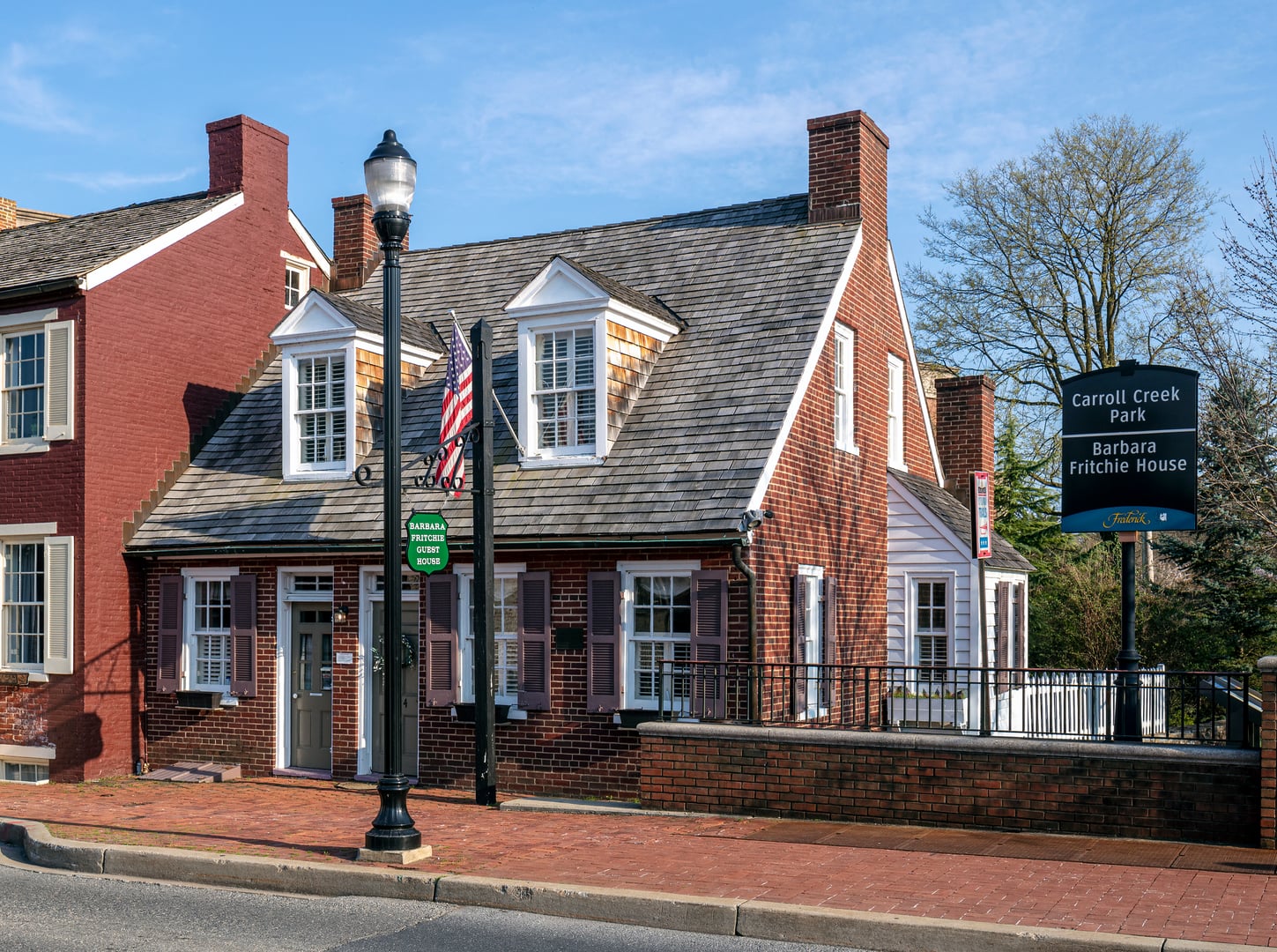
Est. 1832 · Oldest surviving structure at Fort Leavenworth (built 1832) · Continuously inhabited for nearly 200 years · Associated with General George Custer's 1867 court-martial period
Fort Leavenworth, established in 1827 along the Missouri River, is the U.S. Army's oldest continuously active post west of the Mississippi. The Rookery at 12-14 Summer Place was built in 1832 as one of the post's first permanent structures, and it has not stood empty since.
The building takes its name from the crows — 'rooks' in the British ornithological tradition that influenced early Army officers — that roosted in the elm trees surrounding the structure in its early decades. The name stuck even as the trees came and went.
The post's most famous (and most contested) resident connection involves General George Armstrong Custer, who was assigned to Fort Leavenworth in 1867. According to the Legends of America account of the fort's history, Custer spent time at The Rookery before his court-martial later that year on charges of absence without leave and conduct prejudicial to good order. The court-martial resulted in a one-year suspension from rank and pay; Custer was reinstated in 1868 and went on to his later campaigns. The precise extent of his residence at The Rookery specifically, versus other quarters on post, is not definitively documented in the sources examined.
The building continues to serve as private officers' quarters and is an active residence. It is listed among the fort's historic structures and has been documented by the U.S. Army itself as a site of enduring institutional significance.
Sources
- https://www.legendsofamerica.com/ks-fortleavenworth/
- https://www.army.mil/article/28851/family_has_unusual_experiences_living_in_a_haunted_house
- https://theclio.com/entry/187650
- https://armyhotelsblog.ihg.com/articles/ghosts-and-legends-explore-haunted-military-posts-with-ihg-army-hotels/
Apparitions in period dressUnexplained footstepsCold spotsObjects displaced without causeSensation of being watched
The paranormal reputation of The Rookery rests on two centuries of cumulative accounts from a steady succession of military families — officers assigned to Fort Leavenworth, moving in and out of the quarters on rotation, and bringing with them consistent reports of odd activity.
A 2010 U.S. Army official news article documented one family's firsthand experience living in what the piece identified as a haunted Fort Leavenworth quarters building. The article — published through army.mil, not a paranormal aggregator — described unexplained footsteps, objects displaced without apparent cause, and a general atmosphere of unease that the family attributed to the building's history rather than mechanical or structural causes.
The Rookery specifically draws its paranormal reputation partly from sheer age: as the oldest structure on post, it is the site around which the most accumulated stories have gathered. Legends of America's account of Fort Leavenworth lists multiple apparition reports from residents over the decades, describing figures in period dress, cold spots in rooms with no external air source, and sensations of being watched from empty corners.
The building is an active military residence. The accounts are entirely residential in character — people living in the building long-term, not paranormal investigators visiting for a night.
Notable Entities
General George Custer (former resident, 1867)