Est. 1935 · 1930s soil-reclamation demonstration forest · CCC-designed and built infrastructure including Hominy Ridge Lake stone shelter · One of two state forests in the northern half of Indiana
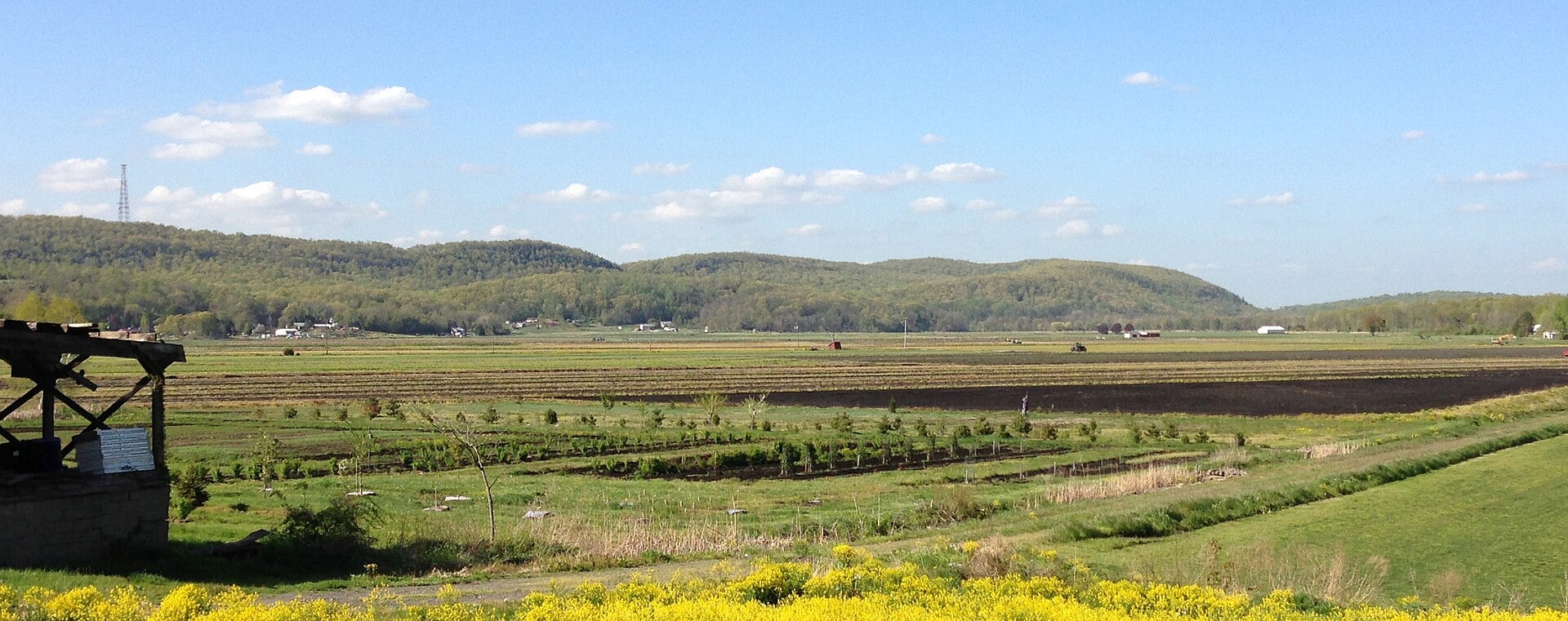
The Salamonie River State Forest, often referenced locally as the Wabash County state forest, was established in the mid-1930s as a demonstration site for the reclamation of severely eroded former farmland. According to the Indiana Department of Natural Resources, Wikipedia, and the Indiana Forest Alliance, local citizens helped the state purchase the hilly land and bluffs along the Salamonie River for the project.
Most of the property's topsoil had been eroded away by intensive 19th- and early-20th-century agriculture, making reforestation and soil-restoration central to the forest's mission. To carry out the work, a 200-member Civilian Conservation Corps (CCC) camp was established on site. The CCC corpsmen designed and planned the forest infrastructure, opened a stone quarry, reforested several hundred acres, and built recreational facilities including Hominy Ridge Lake and the large stone shelter house that still stands near the lake. The CCC-built infrastructure remains the principal historical-architecture feature of the property.
The forest's name derives from the Miami and Lenape language word O-sah-mo-nee, meaning yellow paint, a reference to the yellow paint historically made from the bloodroot plant that grew along the banks of the Salamonie River.
Sources
- https://www.in.gov/dnr/forestry/properties/salamonie-river-state-forest/
- https://en.wikipedia.org/wiki/Salamonie_River_State_Forest
- https://indianaforestalliance.org/work/protection/salamonie-river-state-forest/
- https://stateparks.com/salamonie_river_state_forest_in_indiana.html
Disorientation reported by hikers on quieter trailsShadow figures glimpsed in the forestUnexplained lights in the deeper sections
Folklore in the Wabash County state forest is documented in the Journal Review's Indiana state-parks haunted coverage and in GhostQuest.net's Indiana listings. Hikers occasionally describe a sense that the trail itself appears to change before them, particularly in less-traveled sections of the forest, and report feeling disoriented or watched. Reports of shadow figures and unexplained lights surface periodically in regional ghost-tour media.
The forest is not marketed by the Indiana Department of Natural Resources as a paranormal site; its primary identity is as a CCC-era soil-reclamation demonstration forest and a working state forest for timber, recreation, and ecological restoration. Visitors interested in the lore should treat any reports as part of the regional folklore landscape and respect the working forest's primary purpose.