Est. 1868 · Listed on the National Register of Historic Places · Italianate residential architecture · Vigo County historical collections
The building at 1411 S 6th Street in Terre Haute was constructed in 1868 as a two-story, L-shaped Italianate brick dwelling for the Sage family, one of the area's established households. The structure features a low-pitched hipped roof with heavy double brackets, a decorative front porch, and a projecting bay window characteristic of the high Italianate residential style popular in Indiana in the post-Civil War period.
The house passed through the Robinson and Nagel families — giving it the hyphenated name it now carries — and through several other ownership phases including a period as a halfway house. Each transition left the building's bones intact while the interior adapted to new purposes. The mansion was eventually recognized for its architectural and historical significance and listed on the National Register of Historic Places.
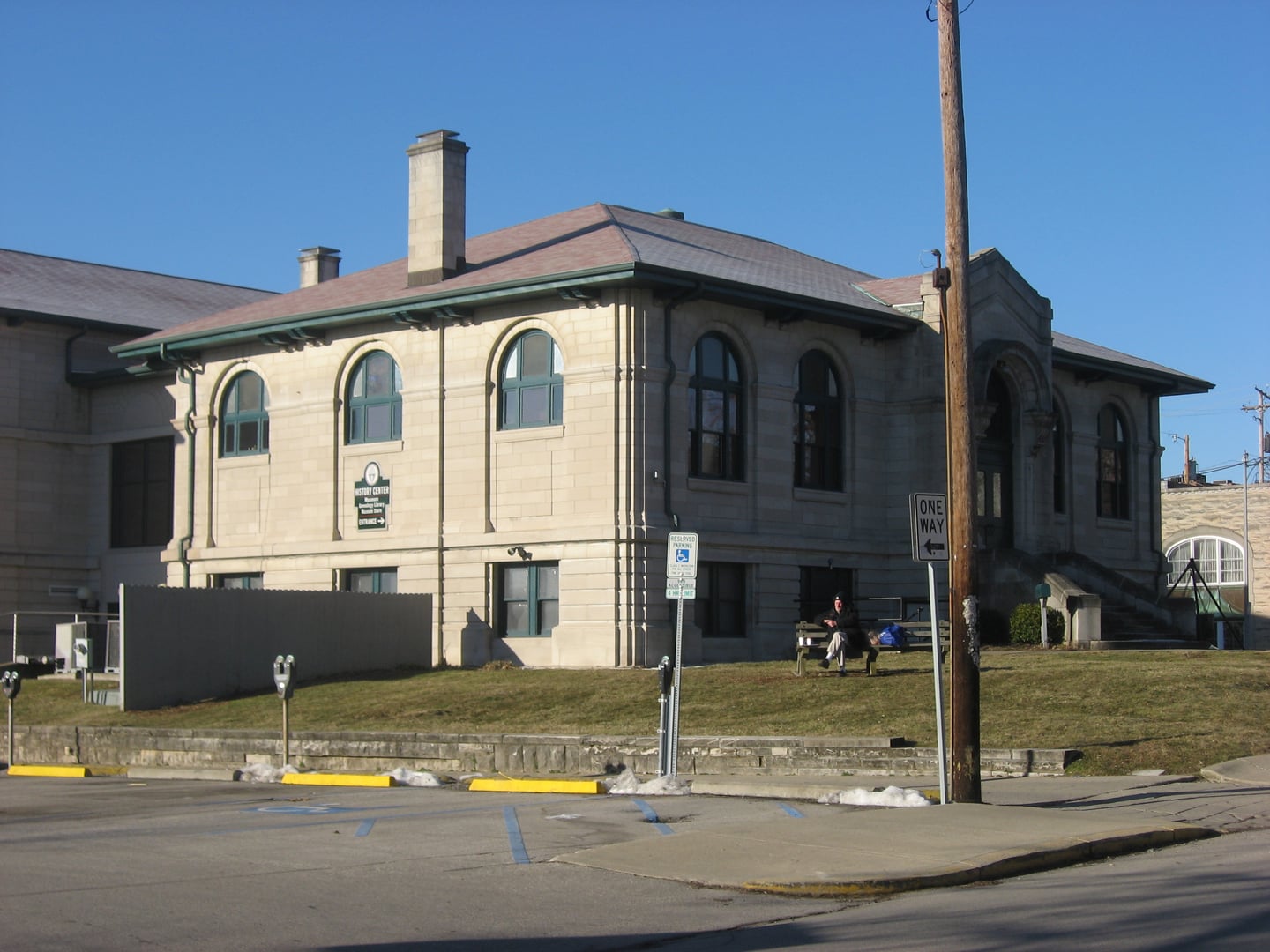
Today it operates as the Vigo County Historical Museum, also identified in some records as the Historical Museum of the Wabash Valley. The museum's collections document the history of Terre Haute and Vigo County from Indigenous history through the industrial era. The building itself is among the museum's primary artifacts: its NRHP listing, its Italianate construction, and the layered history of its various owners make it a document of the county's social and economic evolution across a century and a half.
Sources
- https://en.wikipedia.org/wiki/Sage-Robinson-Nagel_House
- https://www.indianahauntedhouses.com/real-haunt/vigo-historical-museum.html
- https://www.isustudentmedia.com/indianastatesman/article_db4ed6ea-3073-11ec-937b-73fd4c86bdca.html
Orbs photographed on staircaseMoving mist in closed roomsSelf-moving crib on closed upper floor
The paranormal claims at the Vigo County Historical Museum center on three recurring phenomena. The front staircase — highly visible to museum visitors during standard hours — has been photographed with orbs during multiple paranormal investigations, and investigators describe it as the building's primary anomaly zone. A small moving mist has been observed inside rooms that were otherwise undisturbed.
The most striking account involves a crib stored on the upper floor, which is closed to the public. Multiple accounts describe the crib moving on its own without any documented mechanical explanation. The upper-floor location — closed and unoccupied — adds to the claim's legibility: there is no obvious human traffic to explain the movement.
The ISU student newspaper documented Terre Haute's haunted sites including the museum as part of a broader regional coverage piece. The building's long history — private family home, halfway house, then museum — creates the layered occupancy that local ghost lore tends to favor as an explanation for persistent reports.