Est. 1871 · French Second Empire Architecture · National Register of Historic Places · Evansville Lumber Industry History · Reitz Family — John Augustus Reitz · Ohio River Valley Victorian Architecture
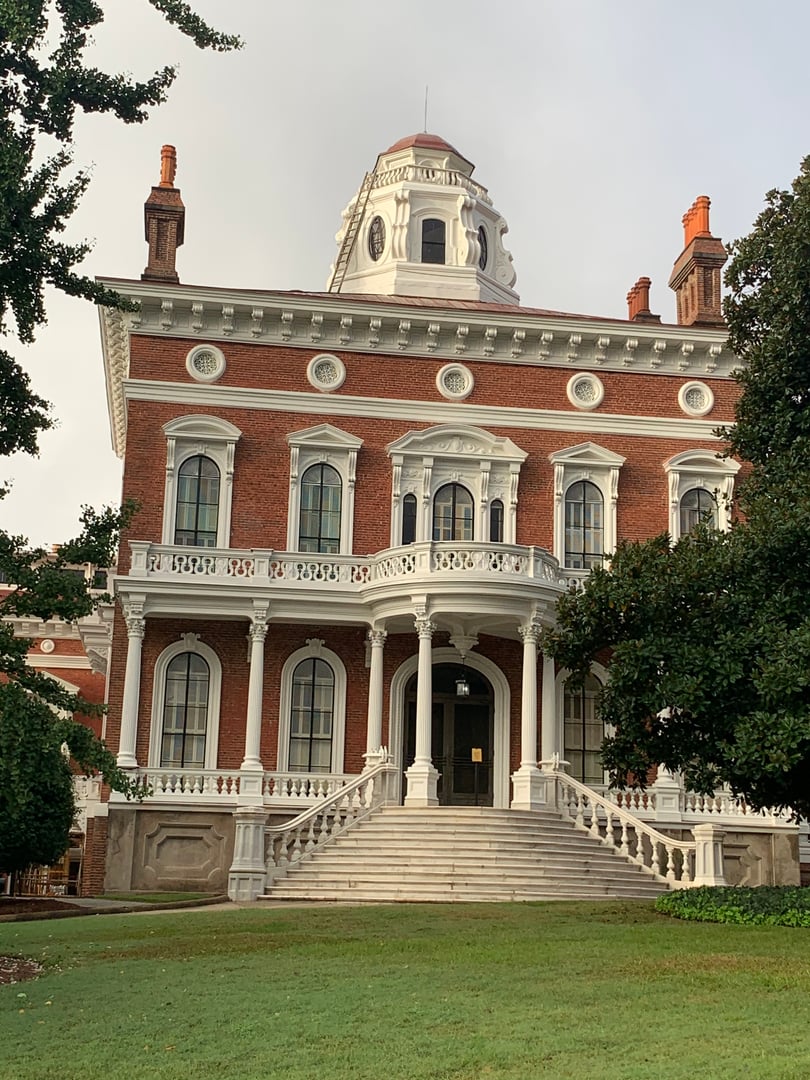
John Augustus Reitz arrived in Evansville in the 1840s and built a substantial fortune in the lumber trade, which he expanded into real estate and other commercial interests. By 1871, when construction began on the house at 224 SE 1st Street, Reitz was one of the wealthiest men in southern Indiana. The mansion was designed in the French Second Empire style, characterized by its mansard roof, elaborate dormers, and formal symmetry — a deliberate architectural statement of mercantile success.
The Reitz family occupied the house through several generations. John Augustus died in 1893, leaving behind a household that had already experienced grief: his son Edward Reitz drowned in Utah's Green River in 1892. Edward's death — a young man's accident in a distant western state — left the family without its expected heir and introduced an element of tragedy into what had been a portrait of Gilded Age prosperity.
The house passed out of family ownership and through various uses before a preservation effort in the 1970s established it as a house museum. The Reitz Home Museum today operates regular tours of the restored interior, which retains original Reitz family furnishings and period-appropriate décor. The home was listed on the National Register of Historic Places as a significant example of French Second Empire domestic architecture in the Ohio River valley region.
Sources
- https://en.wikipedia.org/wiki/Reitz_Home_Museum
- https://www.hauntedevansville.com/
- https://www.evansvilleliving.com/haunted-history/
ApparitionsDisembodied voicesDoorknobs jigglingUnexplained smellsFootsteps
The Reitz Home appears on the Haunted Historic Evansville ghost walk circuit, where it serves as a stop featuring the dramatized presence of Edward Reitz, whose 1892 drowning in Utah's Green River left the family without a surviving heir. The ghost walk employs historical dramatization rather than pure paranormal claims, but the distinction can blur: tour participants and museum staff have both reported phenomena that preceded and exist independently of any theatrical framing.
Accounts from staff members describe jiggling doorknobs in rooms that have been locked and confirmed empty, unexplained smells — particularly floral scents associated with Victorian perfume — in areas with no ventilation from outside, and brief auditory phenomena including footsteps and voices in the upper floors during non-tour hours. One account describes an apparition in period dress observed on the main staircase and then absent when the viewer turned for a second look.
Evansville Living Magazine covered the house's paranormal reputation in the context of a broader piece on haunted Evansville locations, citing the combination of the Reitz family's documented tragedies and the building's preserved Victorian character as the context for persistent staff and visitor reports. The museum handles the paranormal dimension with the same historical register it applies to the Reitz family's lumber fortune — as part of the documented story of people who once lived in the building.
Notable Entities
Edward ReitzJohn Augustus Reitz