Drive-By
Exterior History Drive-By
A respectful exterior look at the site of Evansville's historic tuberculosis sanatorium, where the surviving administration building now stands as private condos.
- Duration:
- 20 min
HauntBound archive · catalog record
Reported phenomena — as catalogued
The remnants of Evansville's pioneering tuberculosis sanatorium, founded in 1908 by Mayor John Boehne; the main hospital was razed in 2000 and the surviving administration building is now private condominiums said to be haunted by former patients.
West Side (former Boehne Camp Sanatorium grounds), Evansville, IN 47720
Research updated May 2026
Age
All Ages
Cost
Free
No public tours. The main hospital is demolished; the surviving administration building is private residential condominiums. View only from public ways.
Access
Limited Access
Suburban West Side Evansville; the surviving building is private property.
Equipment
Photos OK
Est. 1912 · One of Indiana's most significant early-twentieth-century tuberculosis sanatoriums · Founded through the efforts of former Evansville mayor John Boehne · Advanced surgical TB treatment under Dr. Paul Crimm, superintendent from 1929
Boehne Camp Hospital traces to 1908, when a tent camp opened on the West Side of Evansville, in Vanderburgh County, to isolate tuberculosis patients and treat them with the fresh-air regimen then standard for the disease. Former Evansville mayor John Boehne, a determined campaigner against tuberculosis, was instrumental in funding permanent buildings, which were completed by 1912. The facility grew into one of the most important TB hospitals in Indiana.
The sanatorium's medical history is well documented. Dr. Paul Crimm joined in the 1920s and became superintendent in 1929, pioneering advanced surgical treatment for tuberculosis patients. As effective antibiotic treatment for tuberculosis emerged in the 1940s, patient numbers fell steadily, and the facility became obsolete; the decision to close came in 1967.
After closure the complex declined. The main hospital building was razed in 2000. The administration building, however, still stands and was renovated into condominiums, making the surviving structure a private residence rather than an abandoned ruin. Historic Evansville, the Indiana Memory archive, and Evansville Living magazine all document the camp's history and its physical fate.
Because the surviving building is now someone's home, HauntBound treats this strictly as a history-and-folklore entry and a drive-by, not as a site to enter. Trespassing on the former grounds has historically drawn police reports.
Sources
The haunting tradition at Boehne Camp grows from the heavy human toll of the tuberculosis era. Stories describe the apparitions and voices of former patients, with some accounts emphasizing that people confined to such sanatoriums were effectively isolated from the outside world to keep the disease from spreading (https://www.evansvilleliving.com/haunted-history/).
Before the main building was demolished, the abandoned complex drew trespassers, including students from a nearby university, and signs warned that intruders would be reported to police. Paranormal investigators who visited the grounds reported hearing moans, groans, and footsteps; a 2010 investigation is among the accounts cited in regional coverage (http://historicevansville.com/site.php?id=boehne).
HauntBound presents these as folklore tied to a genuinely tragic medical history. We do not sensationalize the suffering of tuberculosis patients, and we note that the surviving building is private property where no investigation or entry is appropriate.
Notable Entities
A respectful exterior look at the site of Evansville's historic tuberculosis sanatorium, where the surviving administration building now stands as private condos.
Some links on this page may earn HauntBound a small commission when you book, at no extra cost to you. Our editorial picks are independent. Full disclosure
Every HauntBound history is researched from documented sources. We clearly separate verified historical fact from paranormal folklore.
Free Guide
11 verified stops, rated for families, mapped in order. Free.
One email to confirm, then the guide link. Unsubscribe anytime.
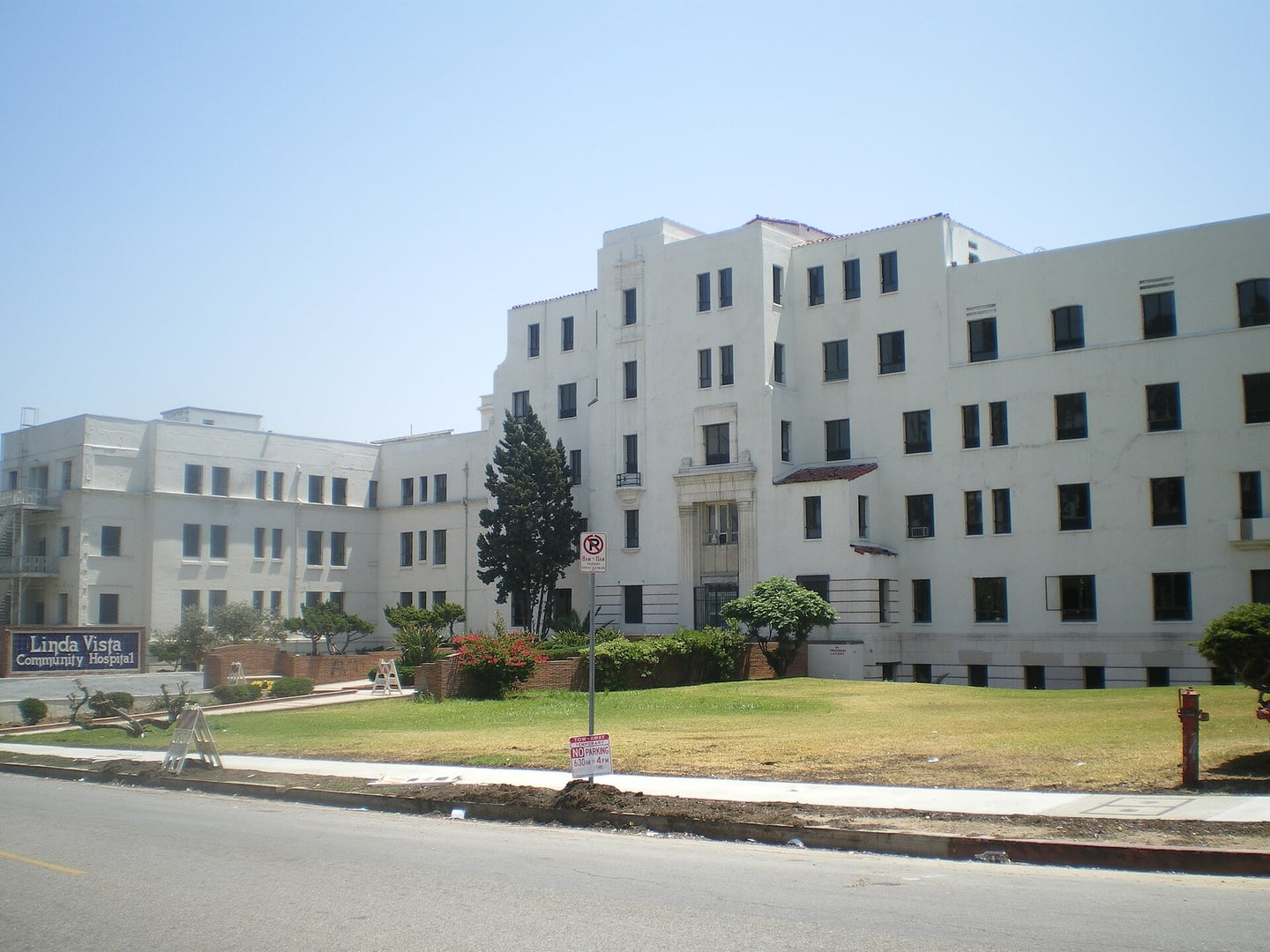
Los Angeles, CA
The Linda Vista Community Hospital opened in 1904 in Boyle Heights, Los Angeles, originally as the Santa Fe Coast Lines Hospital serving railroad employees. The Mission Revival building operated as a community hospital through the late twentieth century, sat vacant from 1991 to 2011 while serving as a frequent horror-film location, and was converted to senior affordable housing in 2012.
Fairfax, CA
Camp Bothin in Fairfax occupies the grounds of the former Arequipa Sanatorium, a tuberculosis treatment home for working-class women opened in 1911 by Dr. Philip King Brown. The property had earlier served as Henry E. Bothin's Hill Farm convalescent home for women and children. After Arequipa closed in the 1950s, the Girl Scouts took over the buildings, which they still use today.
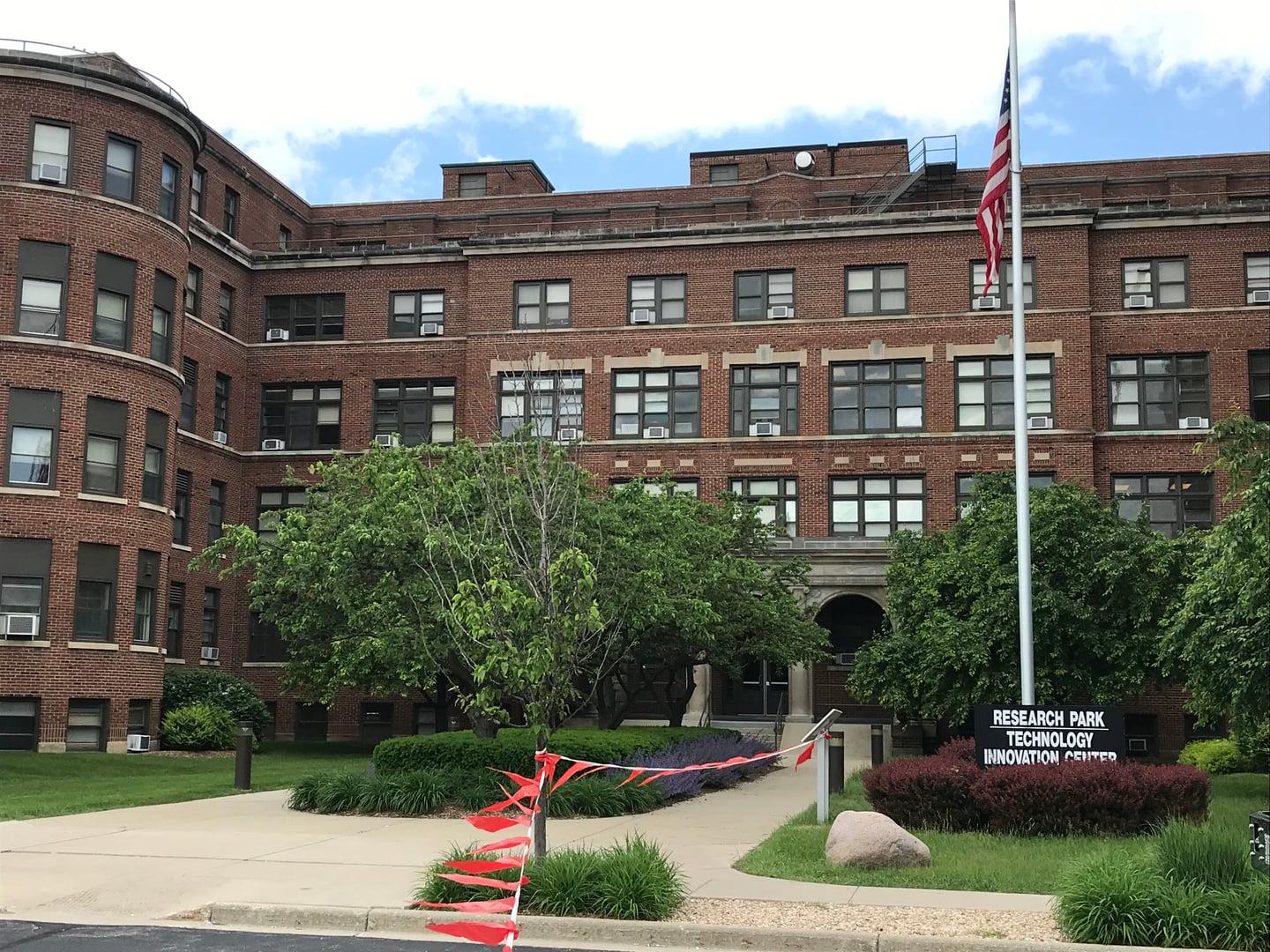
Wauwatosa, WI
Muirdale Tuberculosis Sanatorium was built by Milwaukee County in 1914 and 1915 in Wauwatosa, Wisconsin. Named for Wisconsin-raised naturalist John Muir, it pioneered the centralized three-story TB sanatorium design that became a model nationwide. Muirdale ceased TB treatment in the 1960s and closed entirely in 1978. Its main building survives as the Technology Innovation Center within the Milwaukee County Research Park, and was listed on the National Register of Historic Places in 2018.