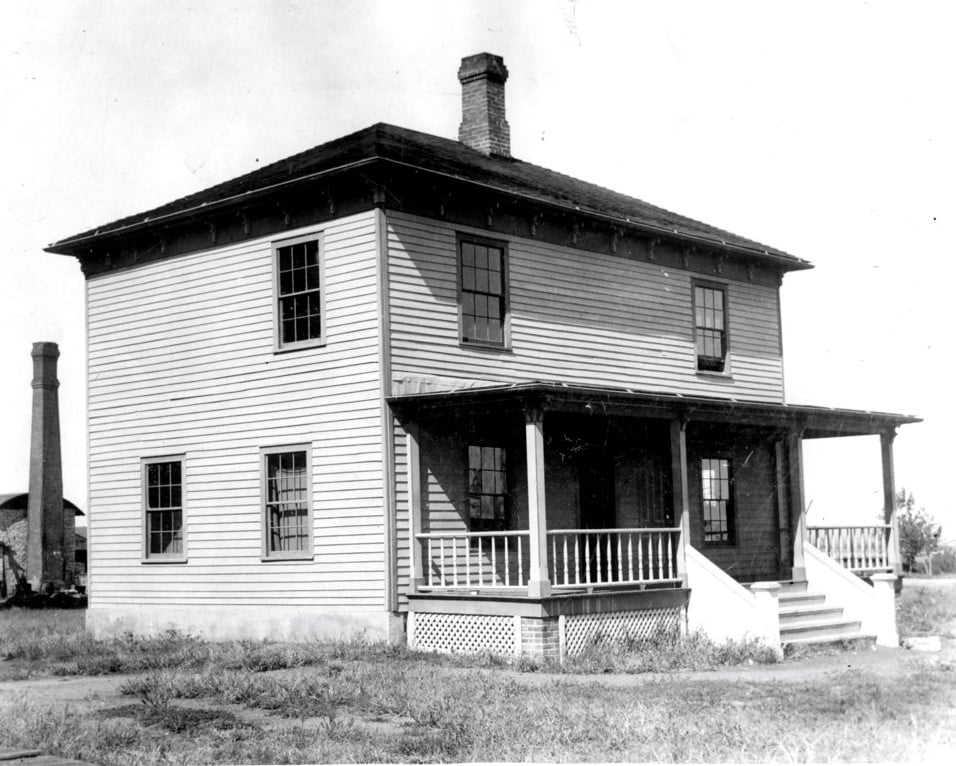
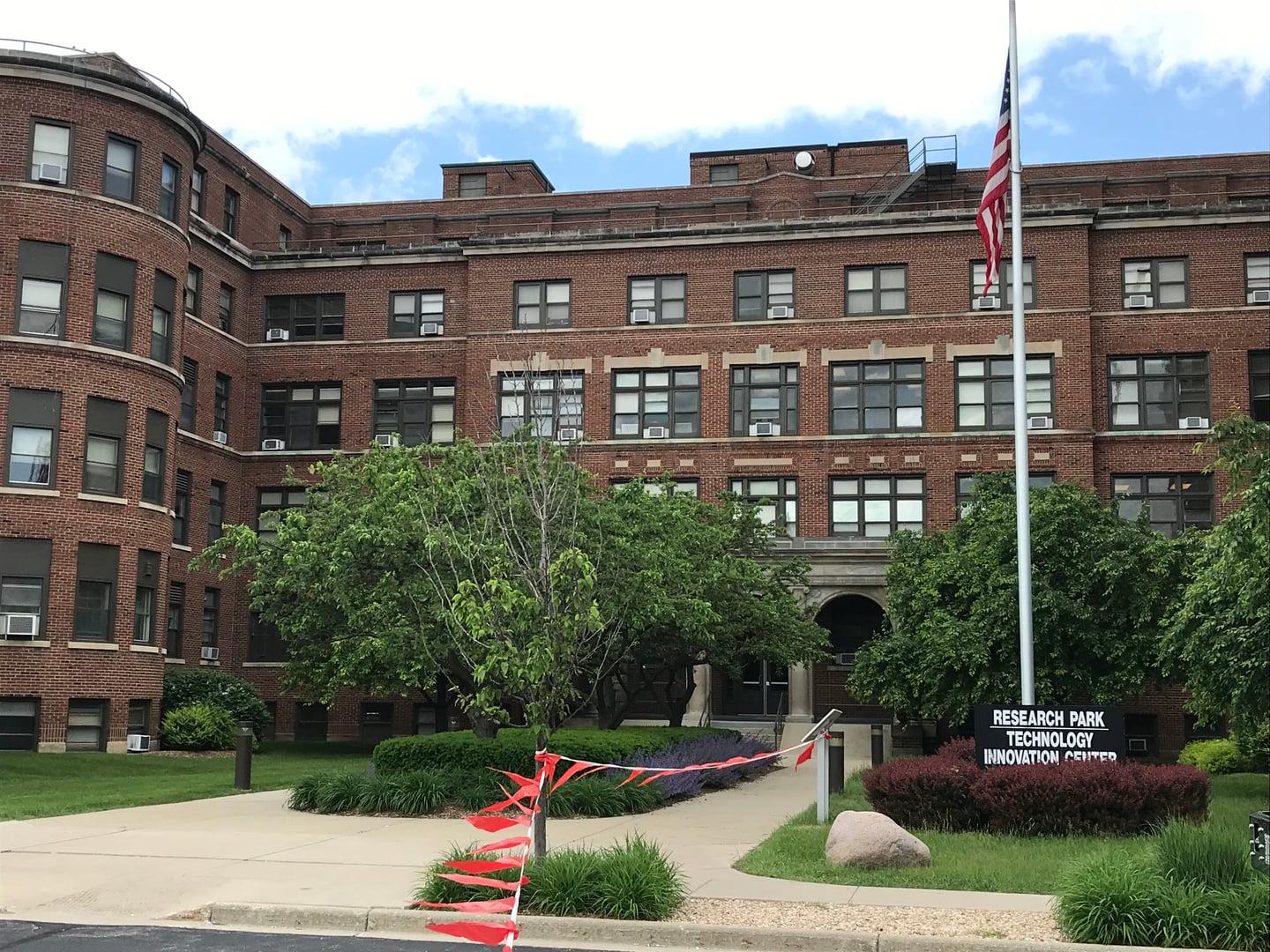
Est. 1911 · Site of the Arequipa Sanatorium (1911–1950s), a pioneering tuberculosis treatment home for working-class women founded by Dr. Philip King Brown · Home of the Arequipa Pottery occupational-therapy program · Continuously used as a Girl Scout camp since the 1950s · Located on the unceded ancestral lands of the Coast Miwok people
The land at the head of a wooded Marin County canyon near Fairfax was developed in the early 1900s by San Francisco financier Henry E. Bothin, who established a convalescent home for women and children called Hill Farm around 1905. In 1910 Bothin donated additional acreage, and the operation expanded into the Bothin Convalescent Home. The surge of tuberculosis cases following the 1906 San Francisco earthquake and fire created an urgent need for treatment facilities for poor and working women.
In 1911, physician Dr. Philip King Brown founded the Arequipa Sanatorium on the property as 'a sociological and economic experiment in the care of tuberculous wage-earning girls.' The name Arequipa, drawn from a city in Peru, was said to mean 'place of rest.' Over roughly 45 years of operation the sanatorium treated patients drawn from across the United States and abroad, combining open-air rest cures with occupational therapy — including the well-known Arequipa Pottery program, in which recovering patients made ceramics.
Advances in antibiotic treatment of tuberculosis made dedicated sanatoria obsolete by the mid-twentieth century, and Arequipa closed in the 1950s. Beginning in 1948, founder Elizabeth Ashe and the camp's trustees had already started offering buildings on the property to San Francisco Girl Scout troops; by the mid-1950s the entire Bothin property was made available to the Girl Scouts.
Today the site operates as Camp Bothin, part of the Henry E. Bothin Youth Center leased by the Girl Scouts of Northern California at 3125 Sir Francis Drake Blvd. Several original structures survive in use, including the Manor House and a stone dormitory, and visitors note that some original hospital fixtures such as sinks remain in place. The land itself lies within the unceded ancestral territory of the Coast Miwok people, a fact the Town of Fairfax formally acknowledges.
Sources
- https://en.wikipedia.org/wiki/Bothin,_California
- https://camp.gsnorcal.org/about/bothin/
- https://pcad.lib.washington.edu/building/20368/
- https://oac.cdlib.org/findaid/ark:/13030/tf187001tn/
Apparition of a nurse pushing a medicine cartMoans and groansUnexplained footstepsCold spotsSensed presence
The best-known apparition at Camp Bothin is that of a nurse seen pushing an old-fashioned medicine cart through the corridors of the Stone House, now used as a camper dormitory but once part of the sanatorium complex. Marin Magazine, in its survey of the county's most haunted sites, reports this figure as the camp's signature haunting, and paranormal accounts describe the moans and groans of former patients echoing through the buildings (according to Marin Magazine and HauntedPlaces.org).
Beyond the nurse, visitors have described footsteps, cold sensations, and the sense of an unseen presence in the older buildings — phenomena commonly linked in local lore to the suffering of the young women who came to Arequipa in the last stages of tuberculosis, many of whom did not recover. Because the original Shadowlands submission and several later accounts emphasize the site's location on Coast Miwok ancestral land, some retellings also fold in claims of older Indigenous spirits; this element is not independently documented and is presented here only as part of the folk tradition, not as fact.
The camp's paranormal reputation has grown despite — or because of — its cheerful daytime identity as a Girl Scout camp, with the contrast between summer campfires and the building's hospital past forming the heart of the local legend (according to Marin Magazine and the Paranormal Housewife blog).
Notable Entities
The cart-pushing nurse