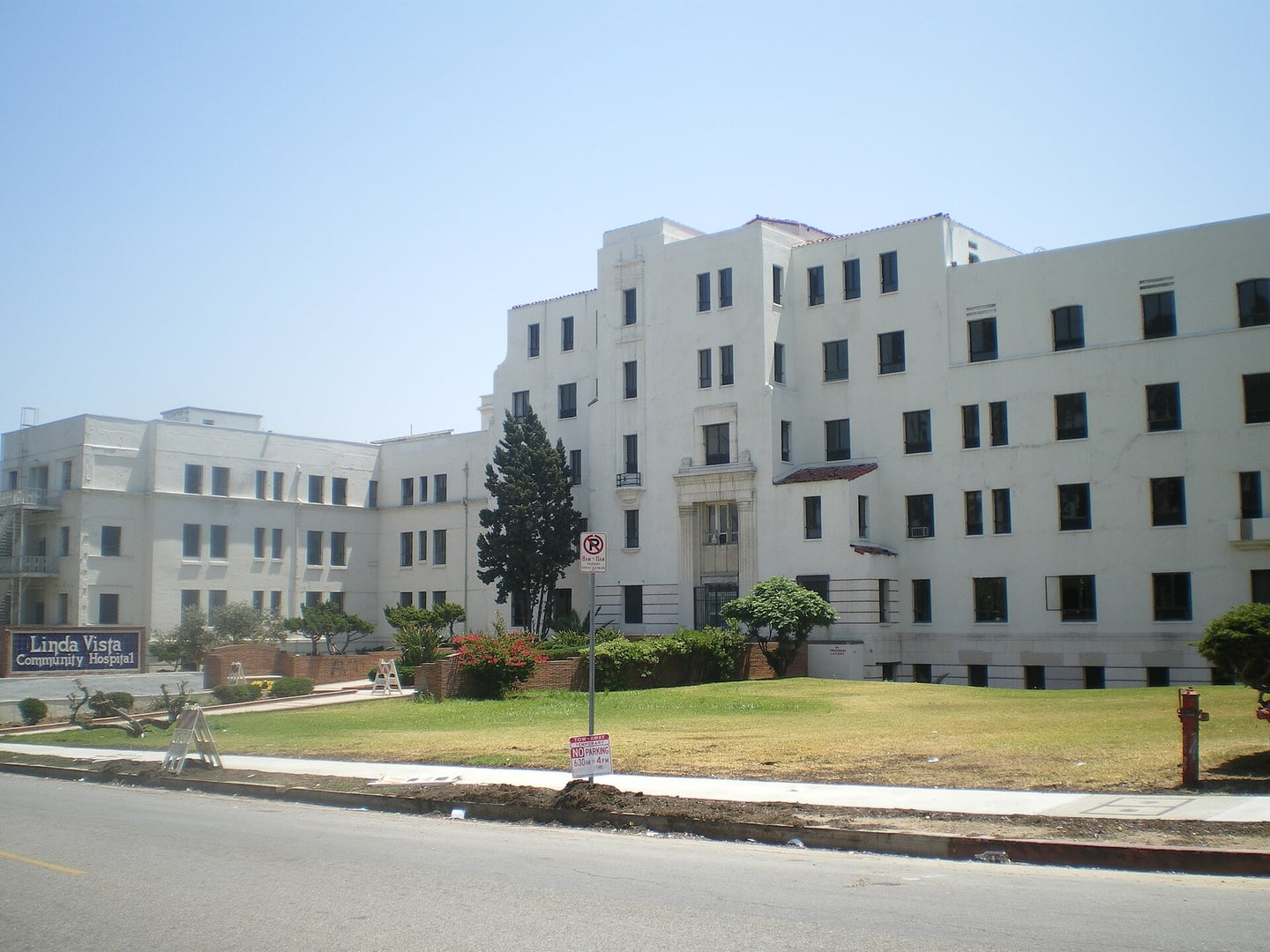
Est. 1915 · NRHP 2018 · First Centralized TB Sanatorium Design in US · Milwaukee County Public Health Pioneer · 100-Bed Children's Preventorium
Milwaukee County authorized the construction of Muirdale Tuberculosis Sanatorium in 1913 to replace inadequate TB facilities at the Greenfield and Social Workers sanatoriums. Construction began in 1914 and the first patients were admitted on November 15, 1915.
Muirdale's design broke with the prevailing cottage-plan tradition of American TB sanatoriums. Rather than a campus of small one- and two-story patient buildings, Muirdale was anchored by a central three-story Beaux Arts hospital and administration building, supplemented by outlying patient cottages. The centralized design was the first of its kind in the United States and became a model for subsequent American TB facilities. The institution was named for naturalist John Muir, who spent his Wisconsin childhood and early adulthood at the family farm near Portage.
Maximum patient capacity reached 350 in 1923 and grew to more than 600 in later years, including a 100-bed Children's Cottage, or Preventorium, dedicated to children at risk of contracting TB. Muirdale operated continuously through the polio years and into the antibiotic era.
With the introduction of effective antibiotic treatment for tuberculosis in the 1950s, the patient census fell sharply. Muirdale ceased treating TB in the 1960s. In the 1970s the facility was renamed Rehab West and operated as a care facility for elderly patients with mental illness. The complex closed entirely in 1978.
The abandoned campus was slated for demolition in June 1992. Wisconsin preservationists organized a successful campaign to save the main building. The Milwaukee County Research Park subsequently incorporated the structure as part of the Technology Innovation Center, a small-business incubator at 10437 Innovation Drive. Many of the outlying cottages were demolished during the redevelopment.
The Wisconsin Historical Society listed Muirdale Tuberculosis Sanatorium on the State and National Registers of Historic Places in 2018.
Sources
- https://en.wikipedia.org/wiki/Muirdale_Tuberculosis_Sanatorium
- https://wisconsinhistory.org/Records/Article/CS15740
- https://www.wispolitics.com/2018/wisconsin-historical-society-the-muirdale-tuberculosis-sanatorium-listed-in-national-register-of-historic-places/
- https://www.linkstothepast.com/milwaukee/muirdale.php
Phantom soundsDisembodied laughterShadow figuresDoors opening/closingPhantom smellsLights flickering
Muirdale's paranormal reputation grew during the building's vacant years from 1978 to the early 1990s, when urban exploration of the abandoned wards was relatively common. The vacant patient floors accumulated the standard catalog of large-American-sanatorium reports: phantom coughing along the long corridors, the sound of metal carts being pushed at a distance, doors closing on their own, and the smell of strong disinfectant in long-empty rooms.
The Children's Cottage, or Preventorium, generates a distinct sub-tradition. The 100-bed children's facility operated for several decades and saw a significant number of pediatric deaths during the pre-antibiotic era. Reports include the sound of children's voices in distant rooms, faint laughter on stairwells, and small figures observed at second-floor windows.
Muirdale's main administration building has been actively occupied since the 1990s as part of the Technology Innovation Center, so contemporary paranormal accounts come primarily from after-hours occupants, security staff, and the occasional researcher working late. Reports from this period are modest and consist mostly of unexplained footsteps in upper-floor corridors and lights turning on after being switched off.
American Ghost Walks, a Milwaukee-area tour operator, occasionally references Muirdale in its programming. The Milwaukee County Research Park does not promote paranormal interpretations of the building, and tenants tend to discuss the history in archival rather than ghost-story terms.
Notable Entities
The Preventorium ChildrenThe Cough on the Corridor