Est. 1902 · Reform-Era Psychiatric Care · Cottage System · Dr. George Zeller · Illinois Institutional History
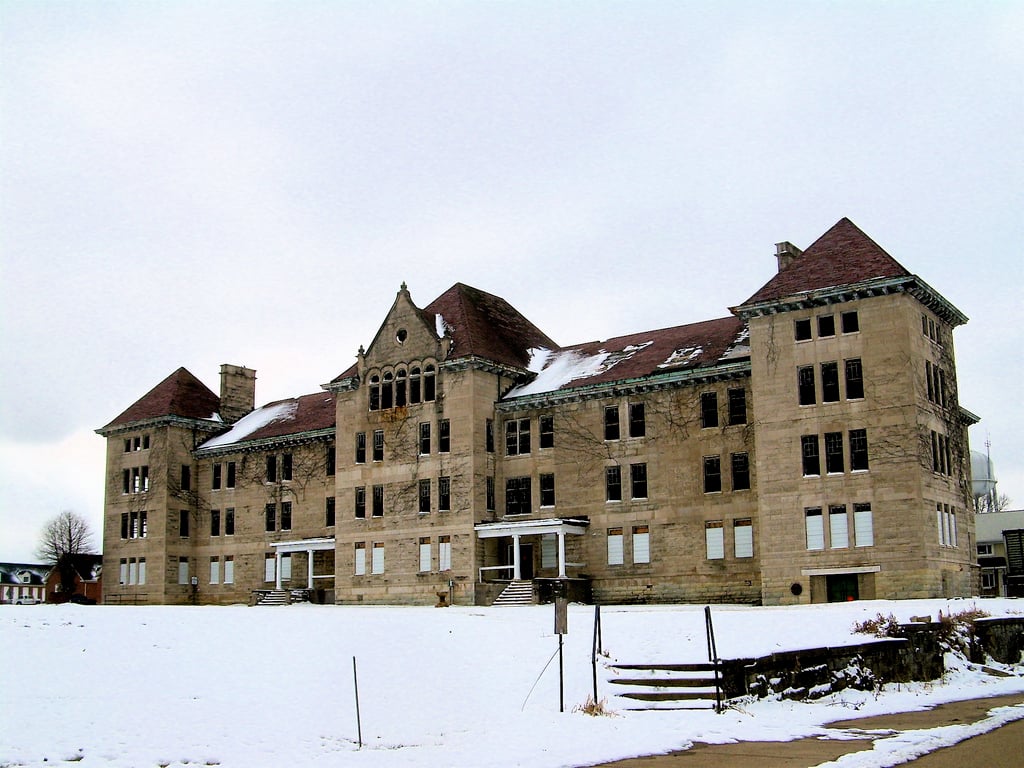
The Illinois General Assembly chartered the Asylum for the Incurable Insane in 1895, selecting a hilltop site in Bartonville above the Illinois River for its anticipated benefits of fresh air and isolation. The first structure, a Kirkbride-plan hospital, was abandoned mid-construction after the foundation was found to be sinking into an old coal-mine shaft. The replacement campus opened in 1902 under a different model entirely.
Dr. George A. Zeller, the first superintendent, designed the rebuilt institution around the cottage system: 33 separate buildings spread across the hilltop, each housing 75 to 100 patients organized by condition and acuity. The model deliberately rejected the warehouse-scale Kirkbride approach and emphasized small-group living, occupational therapy, and outdoor exposure.
Zeller was a vocal reformer in an era of widespread institutional cruelty. He removed mechanical restraints from the wards, dismantled the iron grates from the windows, and reportedly repurposed the cage iron to build a small zoo on the grounds for patient recreation. He published widely on humane treatment, hosted European delegations studying American psychiatric practice, and remained at the institution through multiple superintendencies.
The institution housed up to 2,800 patients at its peak. Four cemeteries operated on or near the grounds, with most patient burials marked only by numbered stones. Estimates of total burials over the institution's lifetime range into the tens of thousands. The Pollak Hospital, the Bowen Building, and most of the original cottages were demolished after the 1973 closure, with materials sold at auction. The Bowen Building stood as a partial ruin until its 2017 demolition.
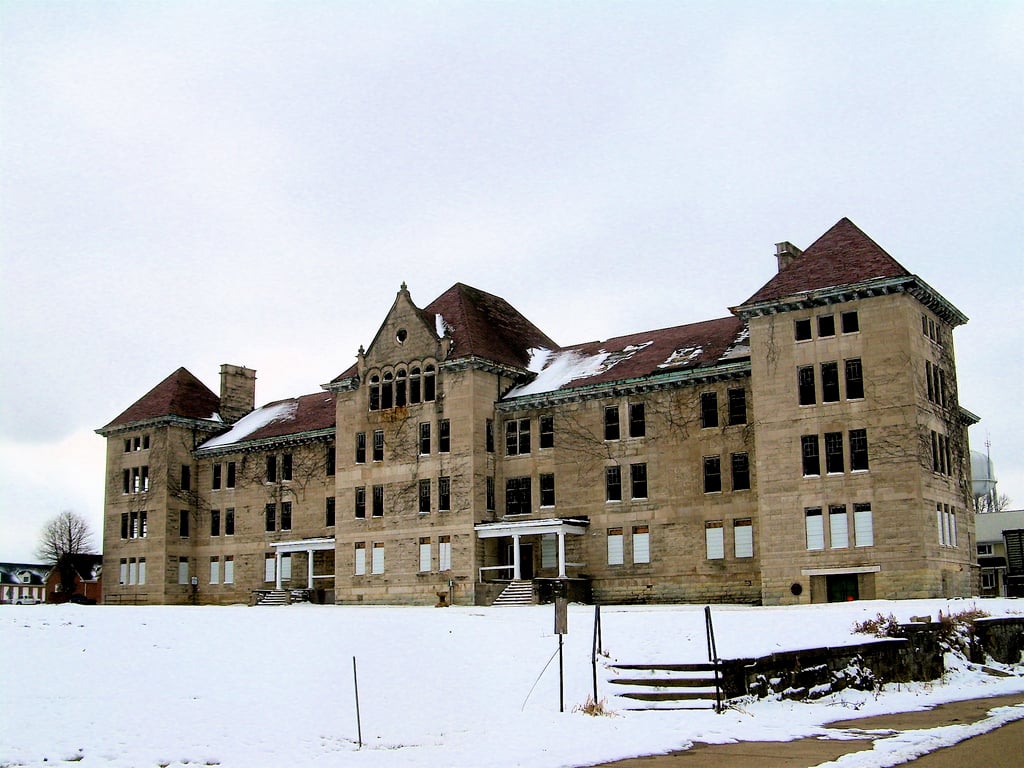
The Peoria State Hospital Museum opened in one of the few surviving institutional buildings on the Hilltop. The museum operates historical and paranormal tours, hosts seasonal events, and has acquired additional surviving structures over time. American Hauntings Ghost Hunts, operated by Illinois author Troy Taylor, runs overnight investigations under license from the museum.
Sources
- https://www.peoriastatehospital.com/
- https://www.peoriastatehospital.com/tours
- https://www.bumpinthenight.net/peoria
- https://www.yahoo.com/news/history-mystery-surrounding-peoria-state-093721079.html
- https://www.jahernandez.com/posts/old-book-ghost-of-peoria-state-hospital-in-bartonville-illinois
ApparitionsShadow figuresPhantom voicesPhantom soundsEVPEquipment malfunctionPhantom footsteps
Manuel Bookbinder, recorded in institutional documents as 'A. Bookbinder,' was a patient at the Peoria State Hospital in the early 20th century. Per Dr. George Zeller's published writings, Bookbinder was mute and worked on the cemetery crew, attending every patient burial on the Hilltop. After each service, he would walk to a particular elm tree at the cemetery's edge and weep audibly for the deceased.
When Bookbinder himself died, Zeller wrote, the burial crew lowered his casket into the grave at the same cemetery. As the casket descended, the witnesses present — Zeller among them — reported hearing Bookbinder's familiar weeping from the elm tree he had used in life. When workers checked the casket, accounts from Zeller's narrative describe it as suddenly lighter than expected. The elm tree was eventually felled, and a stump marker remains at the spot.
Zeller's account, published in his own institutional history, is the source for nearly every retelling. Whether the superintendent intended the story as folklore, parable, or documented event has been debated by Illinois historians for over a century. The tree itself has become the most-photographed location on the surviving cemetery grounds.
Beyond the Old Book narrative, museum staff and tour guides report a recurring set of phenomena across the Hilltop campus. Visitors have described disembodied voices in the cemetery, shadow figures along the building corridors, and unexplained equipment failure during paranormal investigations. The Bowen Building, before its 2017 demolition, accumulated decades of trespasser reports describing footsteps, doors closing, and occasional apparitions in the upper-floor wards.
The site has been featured on multiple paranormal television series and is documented in Troy Taylor's book 'Bones in the Bowl,' which addresses both the institutional history and the paranormal accounts.
Notable Entities
Old Book (Manuel Bookbinder)Dr. George Zeller
Media Appearances
- Ghost Hunters: Prescription for Fear (S9E3) (2013)
- Ghost Asylum: Peoria State Hospital (S4E3) (2016)
- Fractured Spirits: Hauntings at the Peoria State Hospital by Sylvia Shults (2012)