Est. 1869 · Civil War Era Commerce · Italianate Architecture · Cairo Historical Preservation · Victorian Domestic History
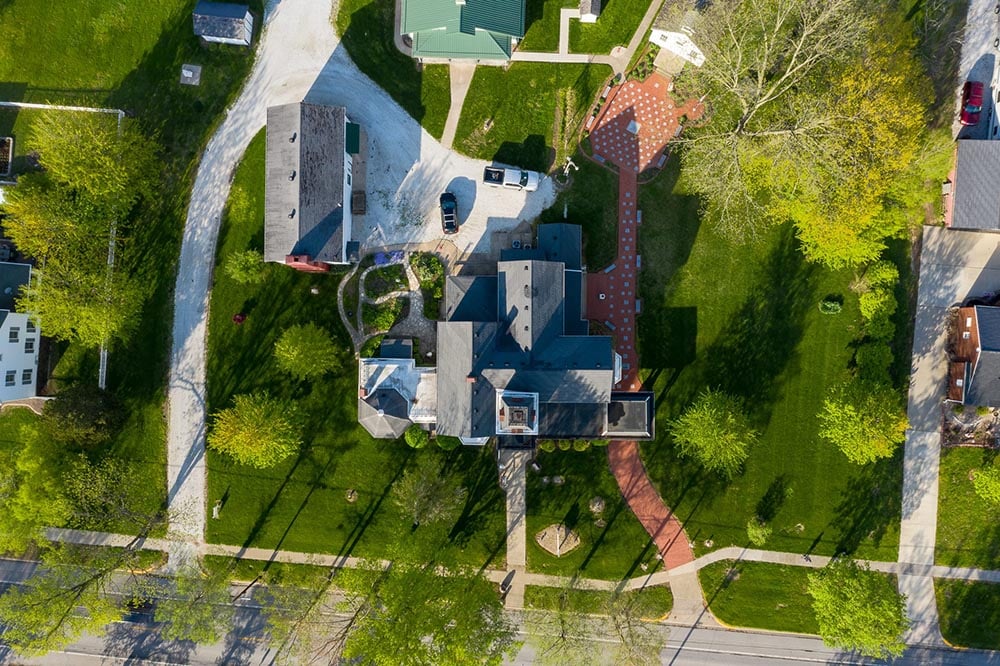
Charles Galigher built Magnolia Manor in 1869 at the height of his prosperity as a flour merchant. His company's contracts to supply the Union Army during the Civil War positioned Galigher as one of the wealthier men in southern Illinois by the war's end, and the mansion was a direct expression of that status. The Italianate style was fashionable for prosperous Midwestern businessmen in the 1860s and 1870s — the brick construction, bracketed eaves, and tall windows were signals of permanence and wealth in a river city that was still growing.
The Galigher family flour operation also sold internationally during the 1870s and 1880s, a period when the Port of Cairo was an active Mississippi River shipping point. This commercial reach gave the household a cosmopolitan quality: the interior furnishings documented in KSDK's feature reflect European influences alongside standard Victorian American domestic style.
The Cairo Historical Association acquired and restored the property, opening it as a house museum to preserve both the architectural fabric and the artifact collection assembled by the family. The museum displays original furniture, period textiles, and Civil War-era memorabilia across 18 rooms. The building's survival is significant given Cairo's broader pattern of architectural loss — the city has seen numerous historic structures demolished or collapse since the mid-twentieth century.
Sources
- https://en.wikipedia.org/wiki/Magnolia_Manor_(Cairo,_Illinois)
- https://www.ksdk.com/article/features/magnolia-manor-in-cairo-illinois/63-3ee8e772-73ba-444a-88f5-838588fd23b5
- https://www.enjoyillinois.com/explore/listing/magnolia-manor-1/
ApparitionsShadow figures near cemeteryUnexplained footstepsSounds in unoccupied rooms
The ghost lore at Magnolia Manor is atmospheric rather than event-specific. Local tradition holds that spirits wander the mansion's halls, and visitors and area residents have described seeing shadowy figures near the adjacent cemetery after dark. Unexplained sounds within the building — footsteps, creaking in unoccupied rooms — are the most frequently cited phenomena.
The Illinois tourism board's listing of the property acknowledges the local spirit legends alongside the museum's historical content. No single incident or identified historical figure anchors the haunting tradition, which is consistent with house museums of this era and type: the accumulated weight of a family's domestic life across several generations in one space often generates ambient lore without a discrete originating event.
The mansion's proximity to the cemetery contributes to the atmospheric framing. Reports of figures near the cemetery appear in regional accounts but are not attributed to specific witnesses or documented incidents.