Est. 1861 · Civil War History · Prisoner of War Site · Chicago History
The camp took shape in the fall of 1861 on the south side of Chicago on land connected to the estate of Illinois senator Stephen A. Douglas, who had died in June of that year. It was initially a Union training ground, processing tens of thousands of Illinois volunteers. The strategic calculation changed in early 1862 when Union forces at Fort Donelson captured large numbers of Confederate troops and needed somewhere to put them. Camp Douglas was converted to a prisoner-of-war facility in February 1862.
The camp's design was never engineered for the scale it reached. Wooden barracks built for 6,000 men were eventually packed with more than twice that number. Sanitation infrastructure could not keep pace. Smallpox, dysentery, and pneumonia moved through the population with regularity. The smallpox dead were buried in a section of the camp grounds at what is now roughly 3355 S. MLK Drive; approximately 600 prisoners are estimated to have been interred there alone. Official records document 26,781 Confederate prisoners passing through Camp Douglas between 1862 and 1865.
Historian mortality estimates vary: the Camp Douglas Restoration Foundation cites 4,243 deaths in official records; other researchers place the total between 5,000 and 7,000 when accounting for deaths not captured in paperwork. Either figure makes Camp Douglas one of the deadliest prisoner-of-war sites of the war. The bodies of those who died at the camp were later disinterred and moved primarily to Oak Woods Cemetery, where the Confederate Mound memorial now stands.
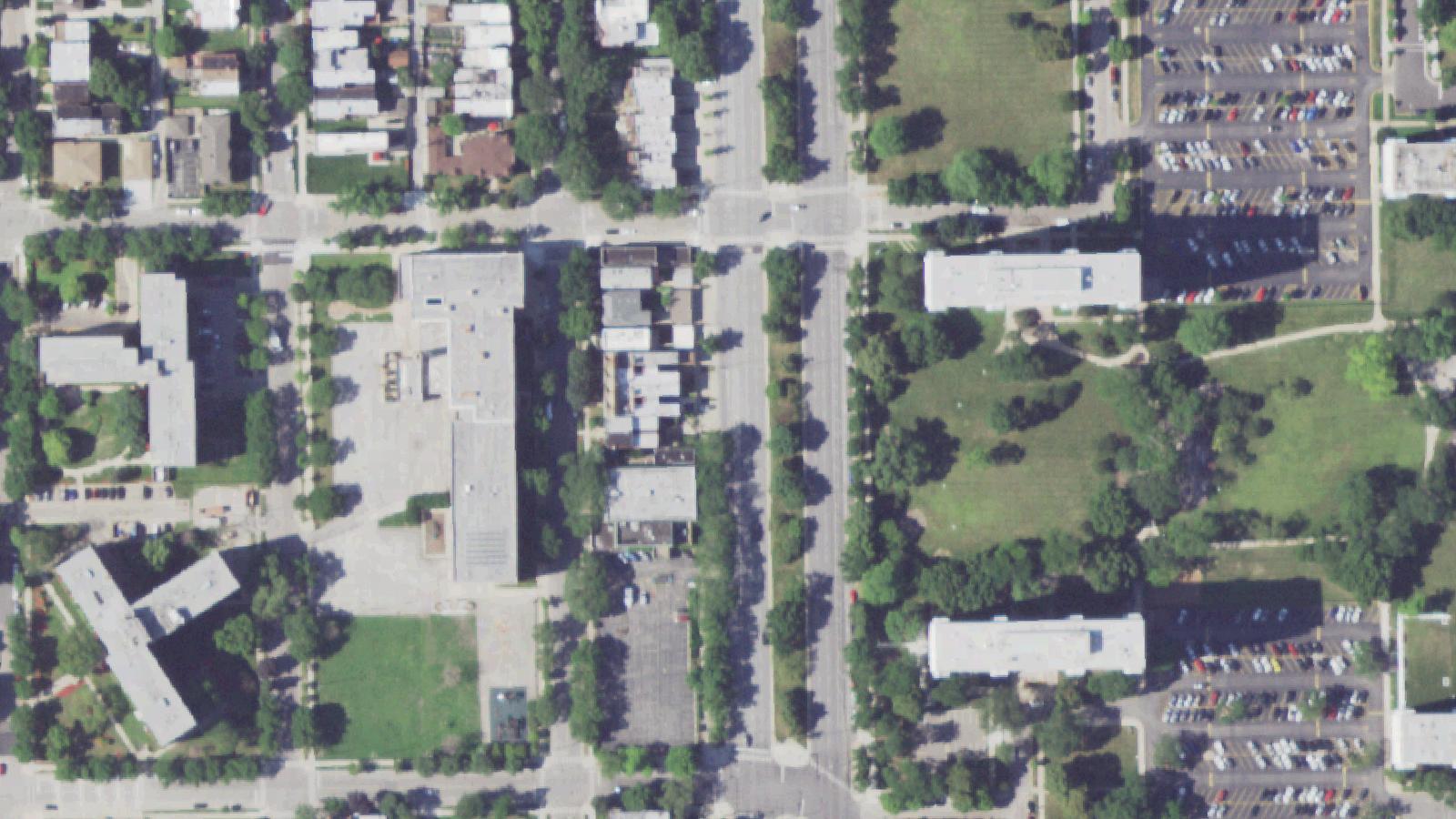
The camp was decommissioned in 1865. Its grounds were eventually absorbed into the expanding city. By the mid-twentieth century the entire footprint had been redeveloped, with no above-ground structures surviving. The bronze historical marker at 3232 S. Martin Luther King Drive is the primary physical acknowledgment of the site.
Sources
- https://en.wikipedia.org/wiki/Camp_Douglas_(Chicago)
- https://campdouglas.org/history-of-camp-douglas/
- https://www.cbsnews.com/chicago/news/chicago-hauntings-civil-war-ghosts-site-camp-douglas/
- https://www.wbez.org/shows/curious-city/chicagos-forgotten-civil-war-prison-camp/2aea8281-878c-436f-8311-62747b7be31f
ApparitionsTactile sensationsPhantom soundsCold spotsFeelings of dread
Paranormal accounts connected to Camp Douglas circulate primarily through Chicago ghost tour culture rather than resident reports, which makes sense given that the site is now a large residential development. The most detailed documentation comes from paranormal researcher Ursula Bielski, who compiled witness accounts describing tactile sensations — specifically being grabbed on the arm or hand — as well as phantom smells of tobacco, intense spots of golden light, and pervasive feelings of dread or grief at the site.
Ghost tour operator Tony Szabelski conducted an investigation and reported capturing images of shadow figures and audio recordings he attributed to Union soldiers. Multiple tour operators report visitor accounts of men in ragged gray clothing moving through the apartment complex grounds.
A separate tradition attaches to the sound of a bugle: some accounts describe hearing reveille at the location, which guides connect to the story that Colonel Benjamin Sweet's daughters would walk through the sick wards singing to prisoners — though this detail is drawn from secondary sources and its direct connection to the bugle reports is unclear.
The CBS Chicago coverage of the site (2022) documented tour guides consistently receiving physical reactions from visitors, particularly near the location identified as the former smallpox burial ground.
Where this legend is told