Est. 1882 · Oregon Trail Landmark · 19th Century Tourism · Natural Mineral Spring History
Hooper Springs sits one mile north of Soda Springs at the edge of a region that 19th-century Oregon Trail emigrants considered one of the most geologically peculiar stretches of the entire westward route. The naturally carbonated water rising from the spring was cold, effervescent, and mineral-rich — emigrants documented mixing it with flavoring agents to approximate commercially produced soda water.
The park takes its name from William H. Hooper, a Salt Lake City banker who served as Utah's delegate to the United States Congress and who established a summer home near the spring. Hooper invested in promoting the Soda Springs region's mineral waters commercially following the arrival of rail service in 1882, which opened the area to tourism and made shipment of bottled spring water feasible.
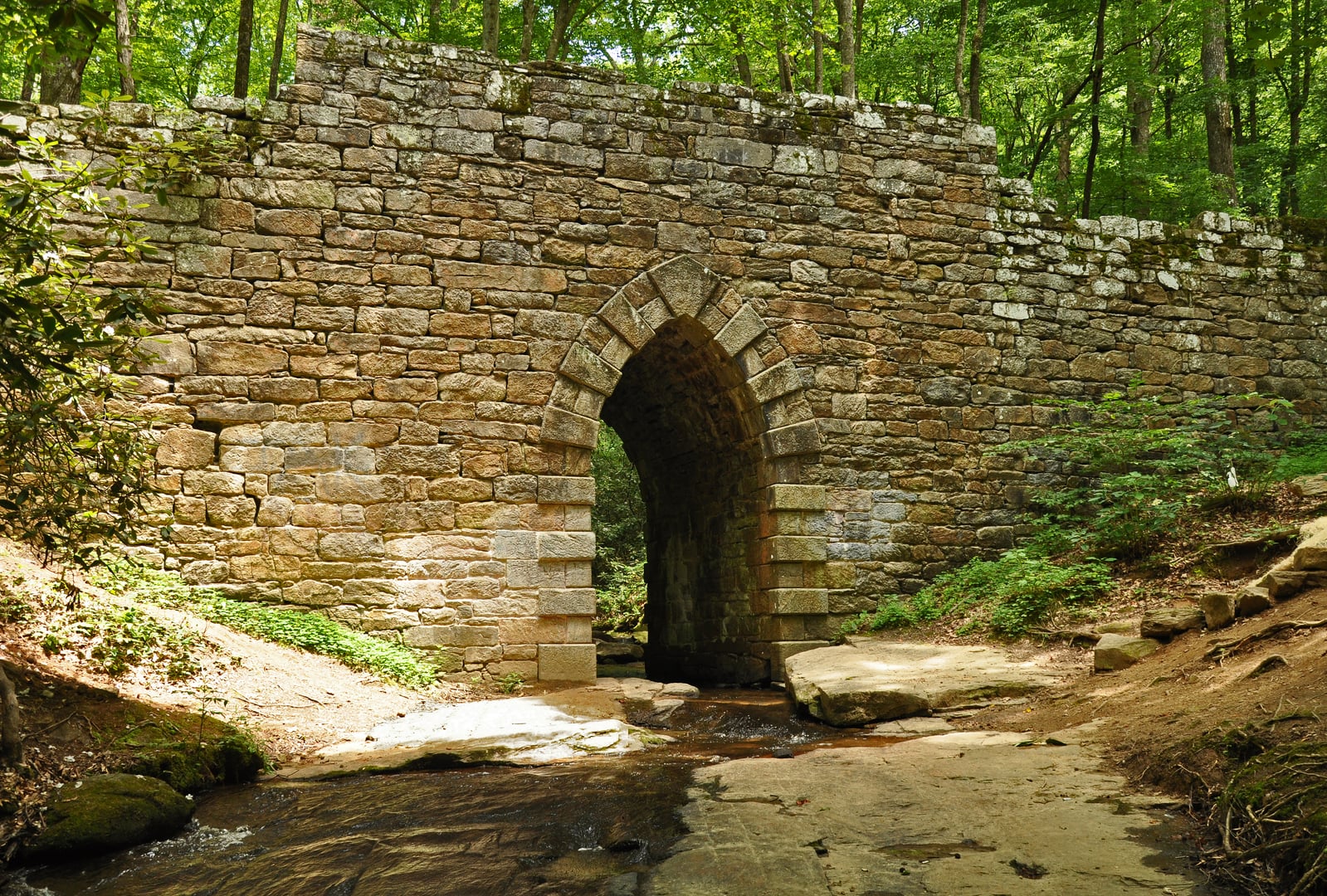
The City of Soda Springs today manages the site as a free public park. Amenities include a covered pavilion, a spring house with benches where visitors can sample the naturally carbonated water, picnic areas, playground equipment, a basketball court, and restrooms. A bridge crosses the water at the park's edge — the specific structure referenced in local paranormal tradition.
Sources
- https://www.nps.gov/places/000/hooper-springs-park.htm
- https://www.legendsofamerica.com/soda-springs-idaho/
ApparitionsObject movementSensed presence
The paranormal tradition at Hooper Springs Park follows a ritual structure — a category of haunting legend common to rural American roads and parks where a specific sequence of actions is said to summon or reveal a presence. At Hooper Springs, the sequence is: circle the covered pavilion three times by car, stop and shut off the engine, then flash the headlights. Those who have performed this are said to see a figure walking back and forth across the bridge at the park's edge.
The playground is a secondary focus. The swings — described in the original account as sometimes moving with enough force to wrap around the top crossbar — have been reported moving on still nights without occupants. A set of swings that once included a large clown figure on the north side of the pavilion was reportedly particularly active.
Neither the bridge figure nor the playground activity has been attributed to a named individual, historical event, or documented death at the park. The ritual structure of the legend suggests a tradition passed between local teenagers over decades rather than an account originating in a specific incident.
The park's long history as a gathering point — from Oregon Trail emigrants stopping to sample the waters in the 1840s through the 19th-century resort era and into its current municipal park function — has made it a consistent community fixture. Whether the ghost tradition predates or postdates the playground installation in 2001 is not recorded.