Est. 1885 · 1885 Private Burial Ground · Nineteenth-Century 'Mourning Chair' Marker · Iowa Example of the Devil's Chair Urban Legend
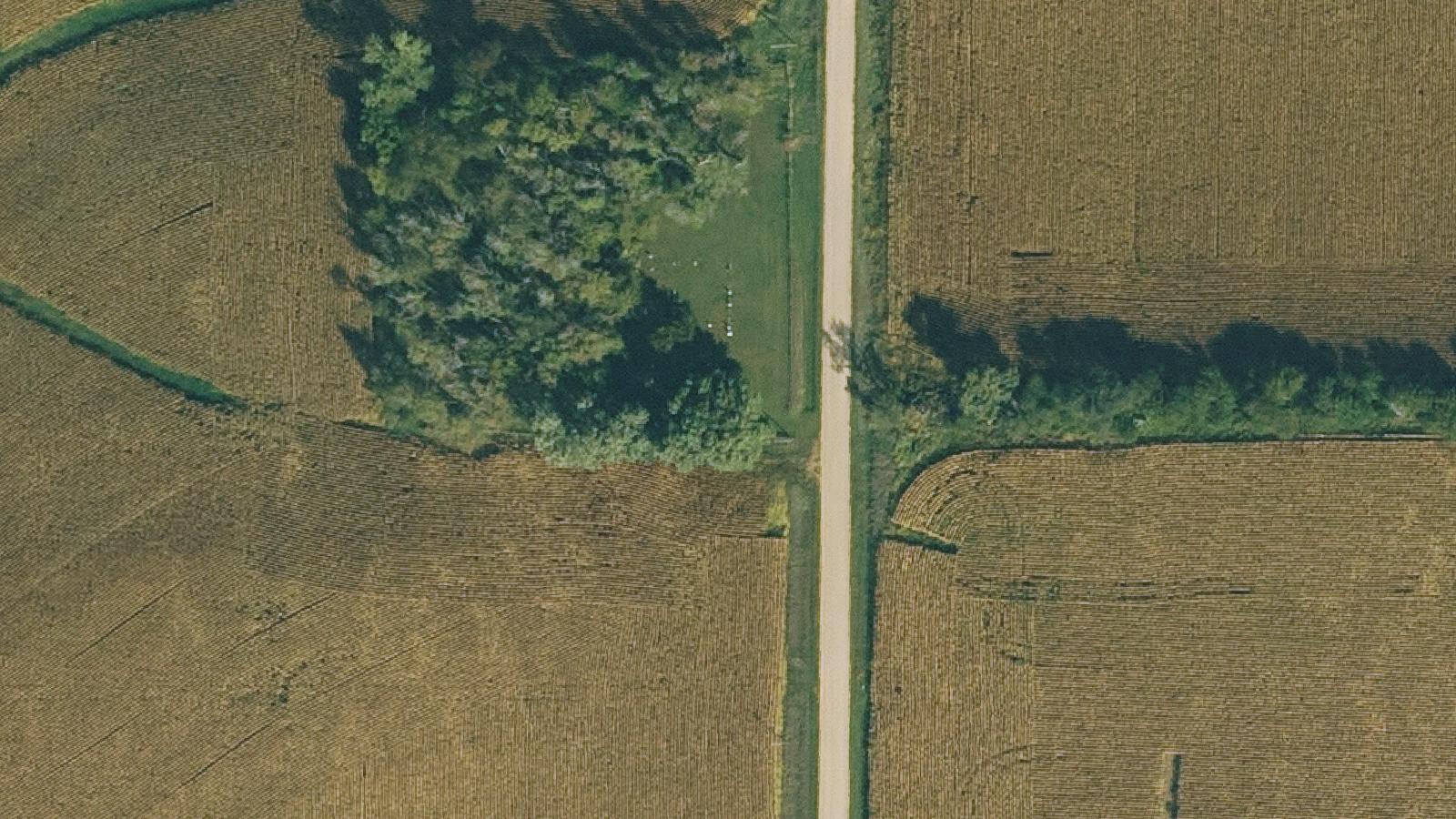
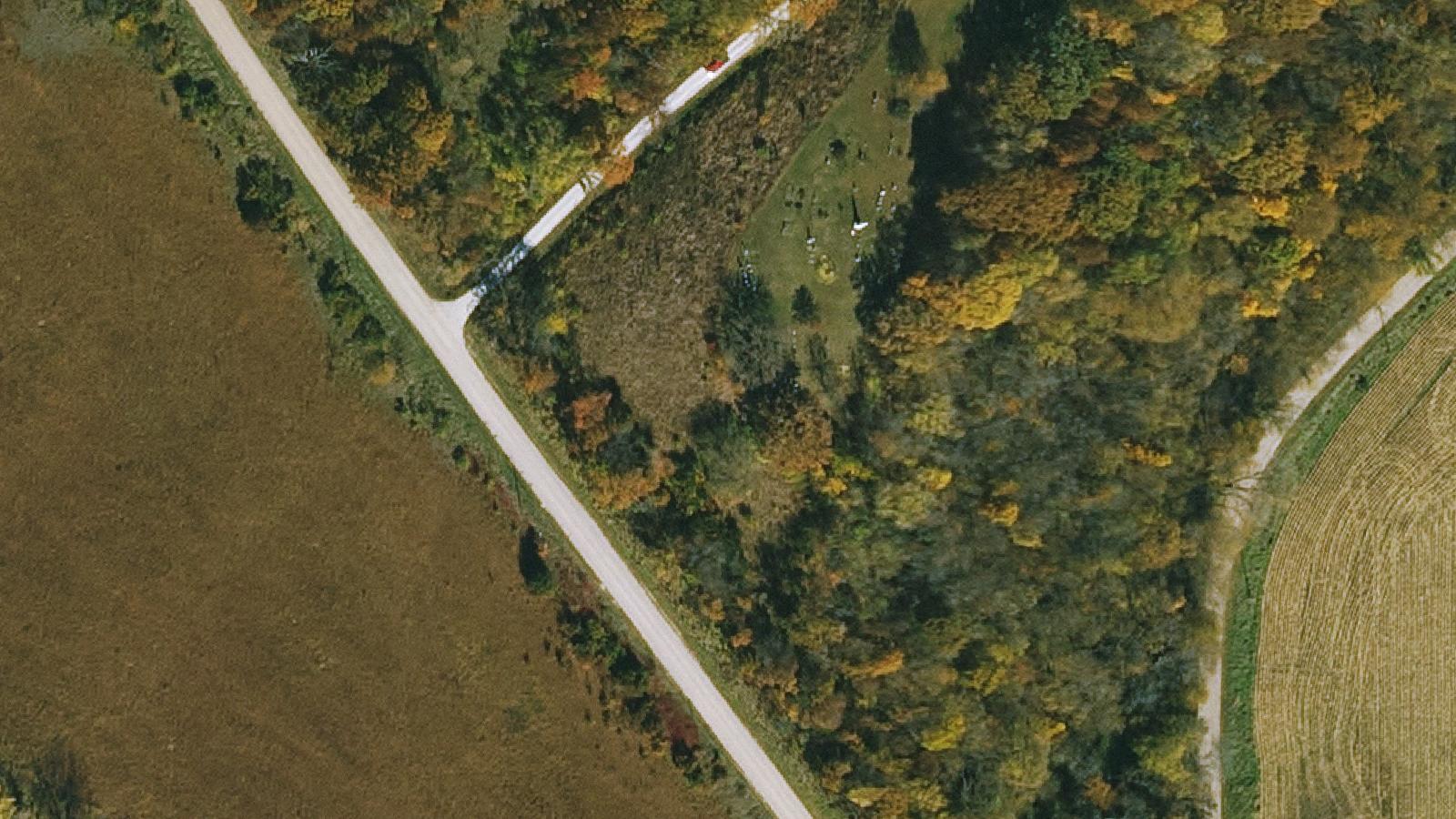
Union Cemetery sits east of Guthrie Center in Guthrie County, central Iowa. It was established as a private burial ground in 1885. Among its older markers is a cement-cast chair, situated between two graves and not clearly marked as belonging to either, which local accounts place near the Peterson and Miller family plots.
Chair-shaped grave markers were not unusual in nineteenth-century American cemeteries. Period graveyards sometimes included carved chairs intended for the comfort of mourners visiting a grave, objects known as 'mourning chairs.' As the original purpose of such chairs fell out of fashion in the twentieth century, superstitions grew up around the act of sitting in them, and many across the country acquired 'Devil's Chair' legends.
The Guthrie Center chair is one of the better-known Iowa examples and is referenced in general accounts of the Devil's Chair urban legend. While the cemetery itself dates to 1885, the haunted-chair legend appears to be considerably more recent, documented for roughly the last thirty years rather than reaching back to the cemetery's founding.
Sources
- https://en.wikipedia.org/wiki/The_Devil's_Chair_(urban_legend)
- https://www.davidcastleton.net/devils-chairs-cemeteries-witches-chairs-legends/
- https://www.hauntedplaces.org/item/union-cemetery-the-devils-chair/
Bad luck after sitting in the chairVoices of the dead heard by the psychic
The central legend of Union Cemetery concerns its cement-cast chair headstone, popularly called the Devil's Chair. According to the most common version, anyone who sits in the chair will be visited by bad luck or misfortune. In some retellings, the legend takes a more elaborate form: that a person who is truly psychic, sitting in the chair, can and will hear the dead speak to them aloud.
A Shadowlands Haunted Places Index submission adds a personal anecdote, claiming a neighbor who sat in the chair learned days later that he needed open-heart surgery. That specific story is uncorroborated and is best treated as folklore rather than evidence.
The Devil's Chair tradition belongs to a wider American pattern in which old cemetery mourning-chairs accumulated superstitions once their original purpose was forgotten. The Guthrie Center chair is cited in general treatments of the legend alongside similar chairs in other states, marking it as a documented regional example rather than a one-off rumor.