Guided Tour
Historic Home Tour
Guided tours of the 1844 Greek Revival home of Robert Lucas, Iowa's first territorial governor, who died at Plum Grove in 1853. The Iowa State Historical Society operates the site seasonally.
- Duration:
- 1 hr
HauntBound archive · catalog record
Reported phenomena, as catalogued
Greek Revival home built in 1844 by Iowa's first territorial governor Robert Lucas, who died here in 1853 — now a state-operated historic site with reported paranormal activity.
1030 Carroll Street, Iowa City, IA 52240
Research updated September 2026
Age
All Ages
Cost
$
Open seasonally as a state historic site; check Iowa History website for current season hours and any admission fee
Access
Wheelchair OK
Grounds with maintained paths; historic house interior
Equipment
Photos OK
Est. 1844 · Home of Iowa's First Territorial Governor · Greek Revival Architecture (1844) · Iowa Territorial Capital History · National Register of Historic Places
Robert Lucas arrived in Iowa Territory in 1838 as its first appointed governor, serving until 1841. After his tenure, Lucas settled in Iowa City — then the territorial capital — and in 1844 built Plum Grove, a Greek Revival home on 360 acres southwest of the city center. He named the property for the plum trees on the land.
Lucas spent the final years of his life at Plum Grove and died there in 1853 at age 68. His wife, Friendly Lucas, continued to reside at the property. The home changed hands several times after her death and eventually came under state preservation through the Iowa State Historical Society, which now operates it as a public historic site open seasonally.
The property was listed on the National Register of Historic Places and is considered one of the most significant surviving structures associated with Iowa's earliest territorial government. The Iowa State Historical Society's official site confirms the property's public access and its interpretation as an early Iowa domestic and political history site.
Sources
The ghost lore at Plum Grove is modest compared to the site's considerable documented history. Paranormal activity reported at the property is attributed generally to the Lucas family — Iowa Territory's first governor and those who shared the home with him — without specific named phenomena or documented incidents in the sources available during research.
The association of a prominent figure who died on the property with lingering presence is common in historic house interpretation, and Plum Grove's status as a state historic site means most visitors encounter it primarily through its historical significance. The paranormal dimension appears primarily in regional tourism aggregators rather than in any dedicated investigation or firsthand account.
The site's primary value for visitors interested in dark history is its status as the death site of a significant Iowa political figure, in a well-preserved setting that has changed little since the mid-19th century.
Notable Entities
Guided tours of the 1844 Greek Revival home of Robert Lucas, Iowa's first territorial governor, who died at Plum Grove in 1853. The Iowa State Historical Society operates the site seasonally.
Some links on this page may earn HauntBound a small commission when you book, at no extra cost to you. Our editorial picks are independent. Full disclosure
Every HauntBound history is researched from documented sources. We clearly separate verified historical fact from paranormal folklore.
Free Guide
11 verified stops, rated for families, mapped in order. Free.
One email to confirm, then the guide link. Unsubscribe anytime.
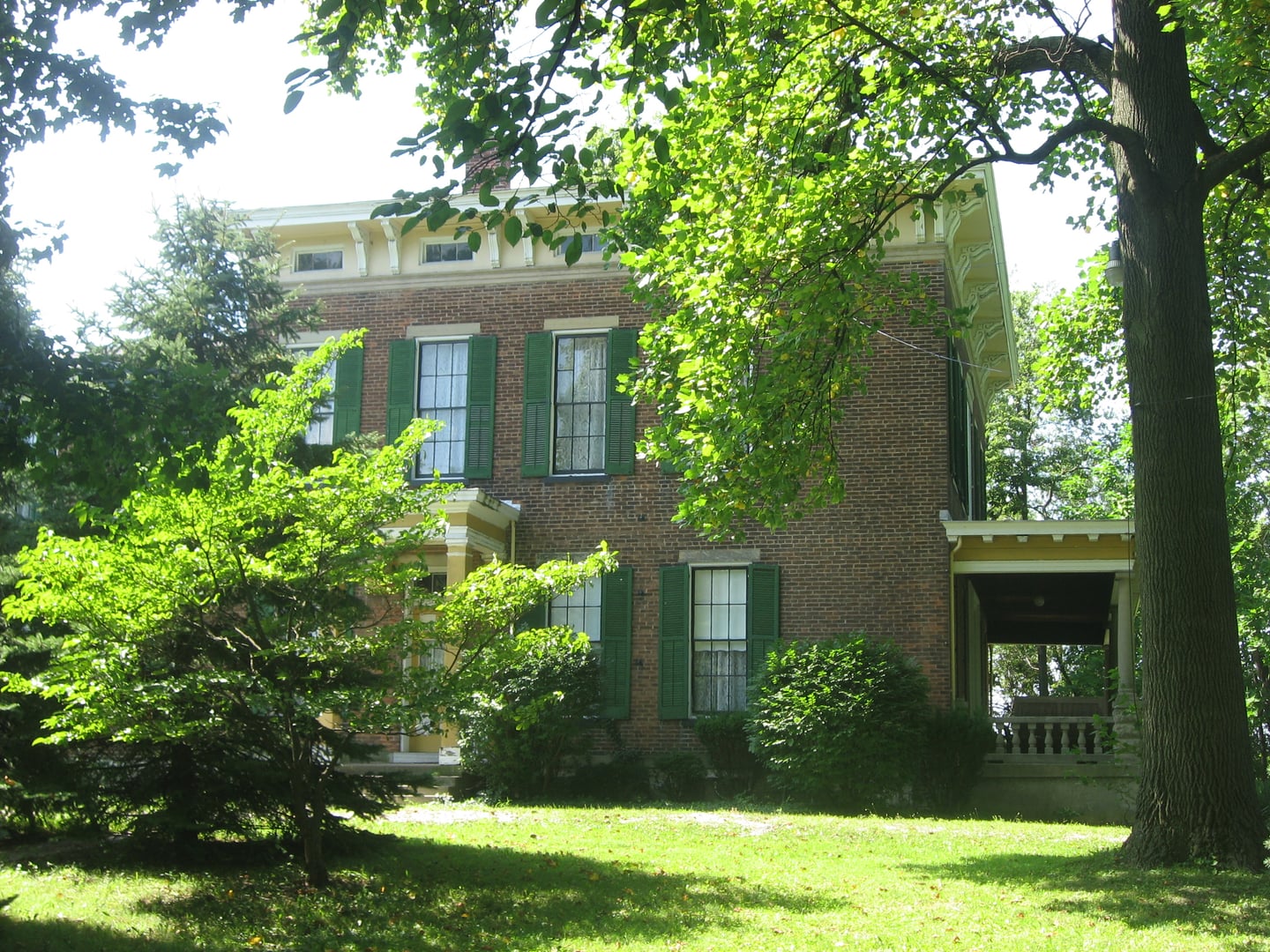
Indianapolis, IN
Hannah House is an 1858 Italianate mansion at 3801 Madison Avenue on the south side of Indianapolis, built by Alexander Hannah, an Indiana businessman who returned wealthy from the California Gold Rush. The property is listed on the National Register of Historic Places.
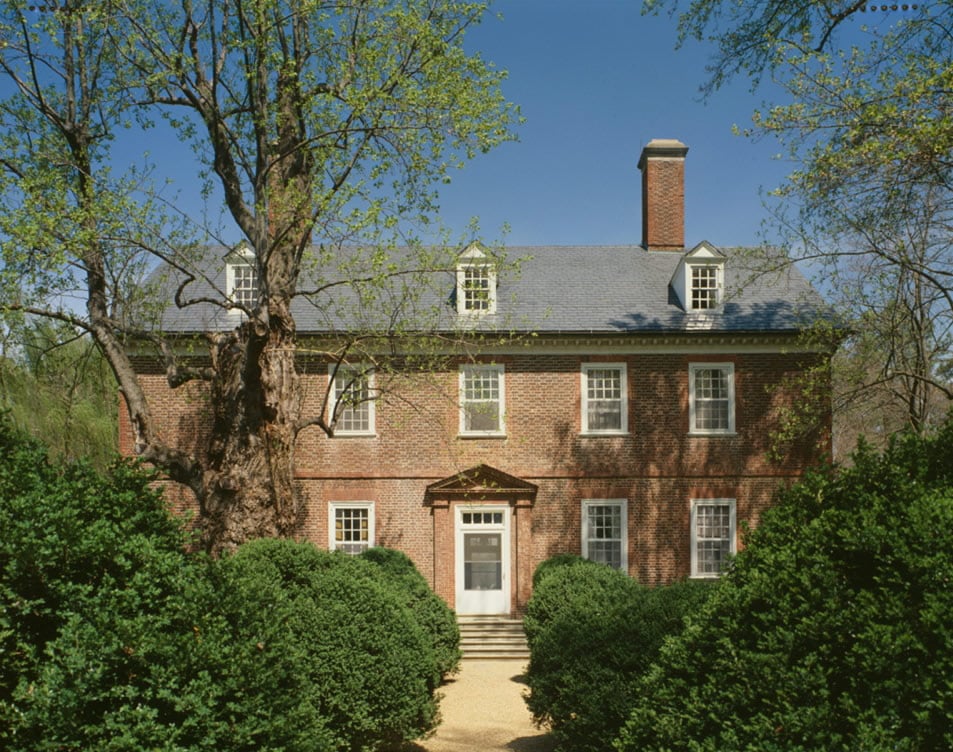
Charles City, VA
Benjamin Harrison IV built the current mansion at Berkeley Plantation in 1726, making it one of the oldest three-story brick houses in Virginia. The plantation became the birthplace of President William Henry Harrison in 1773 and the ancestral seat of a family that produced a signer of the Declaration of Independence and two U.S. Presidents. During the Civil War, General McClellan used the mansion as his headquarters and the cellar held Confederate prisoners.
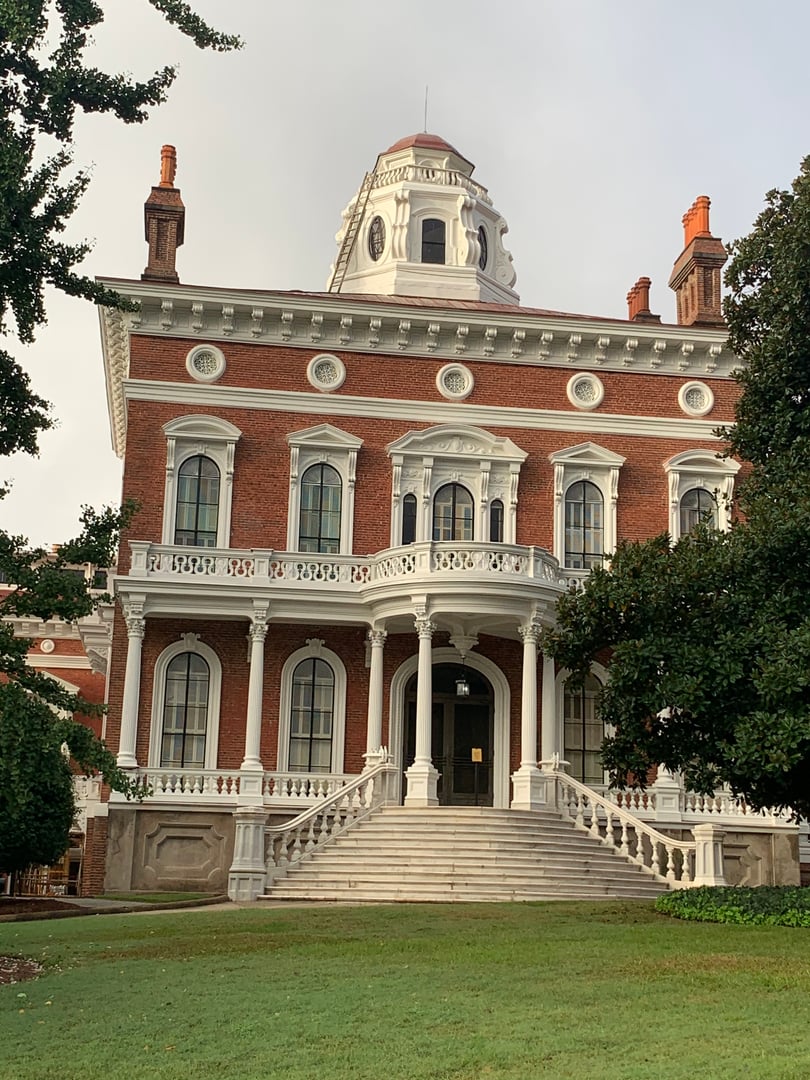
Macon, GA
Built between 1855 and 1859 for businessman William Butler Johnston at a cost of approximately $100,000, the Italian Renaissance Revival mansion at 934 Georgia Avenue has been called the 'Palace of the South' and is a National Historic Landmark. The house remained in Johnston hands through the Civil War, spared when Sherman's march to the sea bypassed Macon; it passed to the Johnstons' daughter Mary Ellen and her husband, Judge William Felton, in 1896. The Hay family acquired the house in 1926 and donated it to The Georgia Trust for Historic Preservation in 1977.