Self-Guided Visit
Historic Cemetery Visit
Climb the famous stone steps to a quiet hilltop burial ground and find the 1862 Thankful Blackburn headstone at the center of the local legend.
- Duration:
- 30 min
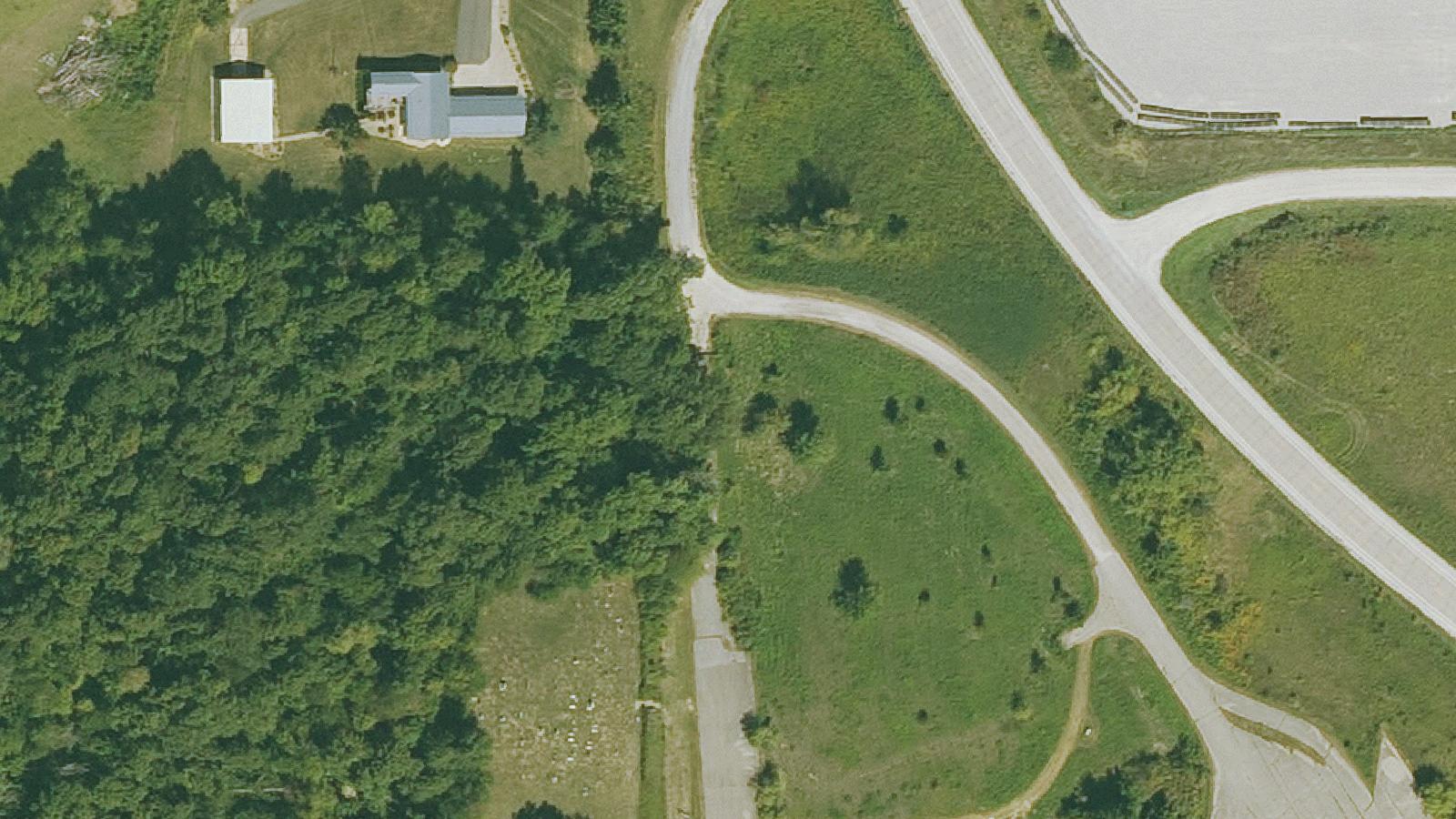 Aerial survey · USDA NAIP · public domain
A rural 19th-century burial ground north of Palo in Linn County, widely known as '13 Stairs Cemetery' and the focus of one of eastern Iowa's most retold cemetery legends.
Lewis Bottom Road, about 514 feet southwest of Palo Marsh Road, Palo, IA 52324
Research updated May 2026
Age
All Ages
Cost
Free
Small rural cemetery; daytime visits only and respect posted hours.
Access
Limited Access
Hilltop cemetery reached by a flight of stone steps; uneven ground.
Equipment
Photos OK
19th-century rural burial ground documented in Linn County IAGenWeb records · Known regionally as '13 Stairs Cemetery' for its stone staircase · Burial of Thankful Blackburn (1810-1862), whose headstone anchors the folklore
Pleasant Ridge Cemetery sits on a wooded hilltop a few miles north of the small town of Palo in Linn County, eastern Iowa. It is a modest rural burial ground dating to the nineteenth century, documented in Linn County cemetery records maintained by the IAGenWeb genealogical project.
The cemetery is reached by a flight of stone steps climbing the hill, the feature responsible for its enduring nickname, '13 Stairs Cemetery' (also '13 Steps'). The exact step count is itself part of the lore, with some retellings insisting there are twelve by day and thirteen after dark.
Among the historic burials is Thankful Blackburn, born April 13, 1810, and died May 17, 1862, whose grave is verified through BillionGraves and the Linn County IAGenWeb cemetery transcription. Her weathered headstone carries a common nineteenth-century memento-mori verse — 'Remember friends as you pass by / What you are now so once was I…' — and over time became the centerpiece of the cemetery's witch legend, despite nothing in the historical record connecting Blackburn to any such story.
The cemetery remains an active rural burial ground. Fayette Township maintains it, and Linn County's historic resources inventory (resource 57-10860) records it as in use and in good condition. Its fame as a paranormal destination has made nighttime trespassing a recurring local problem, and visitors are asked to come only during daylight and to treat the graves with respect.
Sources
Pleasant Ridge Cemetery is one of eastern Iowa's most-told cemetery legends. According to accounts collected by regional outlets and paranormal sites, including Ultimate Unexplained, which presents the EVP voices, red-eyed dog, floating orbs and witch legend as stories and lore, visitors have reported recording electronic voice phenomena (EVP) that were not heard at the time, being touched by something unseen, and seeing human-like shapes appear and disappear among the stones.
The nickname itself is woven into the lore: while a flight of stone steps leads up to the cemetery, the well-worn legend claims there are twelve steps by day and thirteen once the sun goes down. Other embellishments include sightings of a red-eyed, growling dog and floating orbs of light along the dark hilltop.
The cemetery's 'witch' legend centers on the cracked headstone of Thankful Blackburn (1810-1862). Her stone's age-darkened memento-mori epitaph and its damaged condition made it a natural magnet for storytelling, and over the decades a witch tale attached itself to her grave. It is important to note that this is purely folklore: nothing in the historical record connects Blackburn — a 19th-century woman buried in a rural family cemetery — to witchcraft or to any of the phenomena reported, and the story should be read as legend, not as any claim about who she was.
Notable Entities
Climb the famous stone steps to a quiet hilltop burial ground and find the 1862 Thankful Blackburn headstone at the center of the local legend.
Some links on this page may earn HauntBound a small commission when you book, at no extra cost to you. Our editorial picks are independent. Full disclosure
Every HauntBound history is researched from documented sources. We clearly separate verified historical fact from paranormal folklore.
Free Guide
11 verified stops, rated for families, mapped in order. Free.
One email to confirm, then the guide link. Unsubscribe anytime.
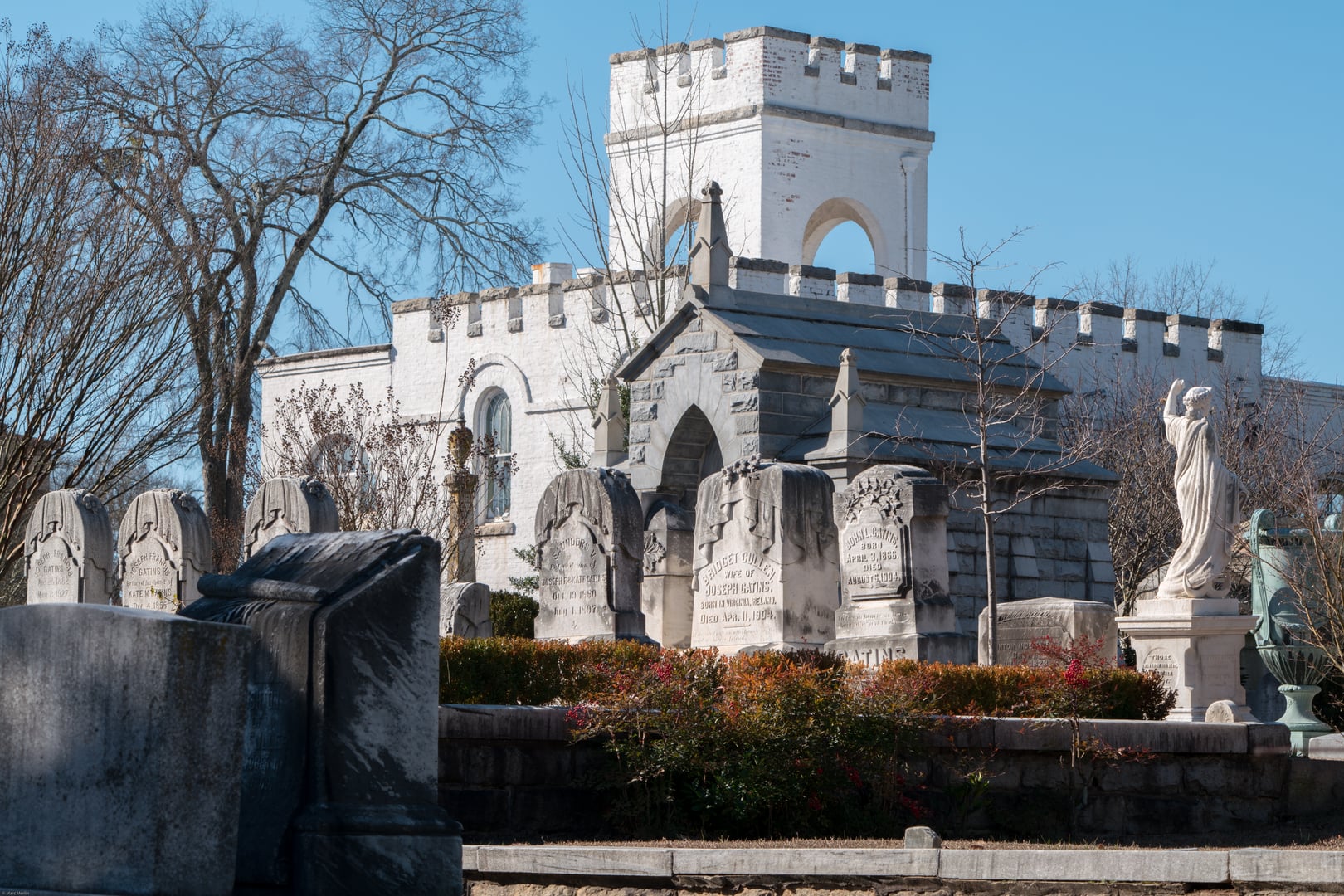
Atlanta, GA
Historic Oakland Cemetery was chartered in 1850 as the six-acre 'Atlanta Cemetery,' renamed Oakland in 1872, and expanded to 48 acres. Approximately 70,000 people are interred, including roughly 6,900 Confederate soldiers (3,000 unidentified), four Confederate generals, six Georgia governors, 27 Atlanta mayors, Margaret Mitchell, golfer Bobby Jones, and Maynard Jackson, Atlanta's first African American mayor. The cemetery was listed on the National Register of Historic Places on April 28, 1976.
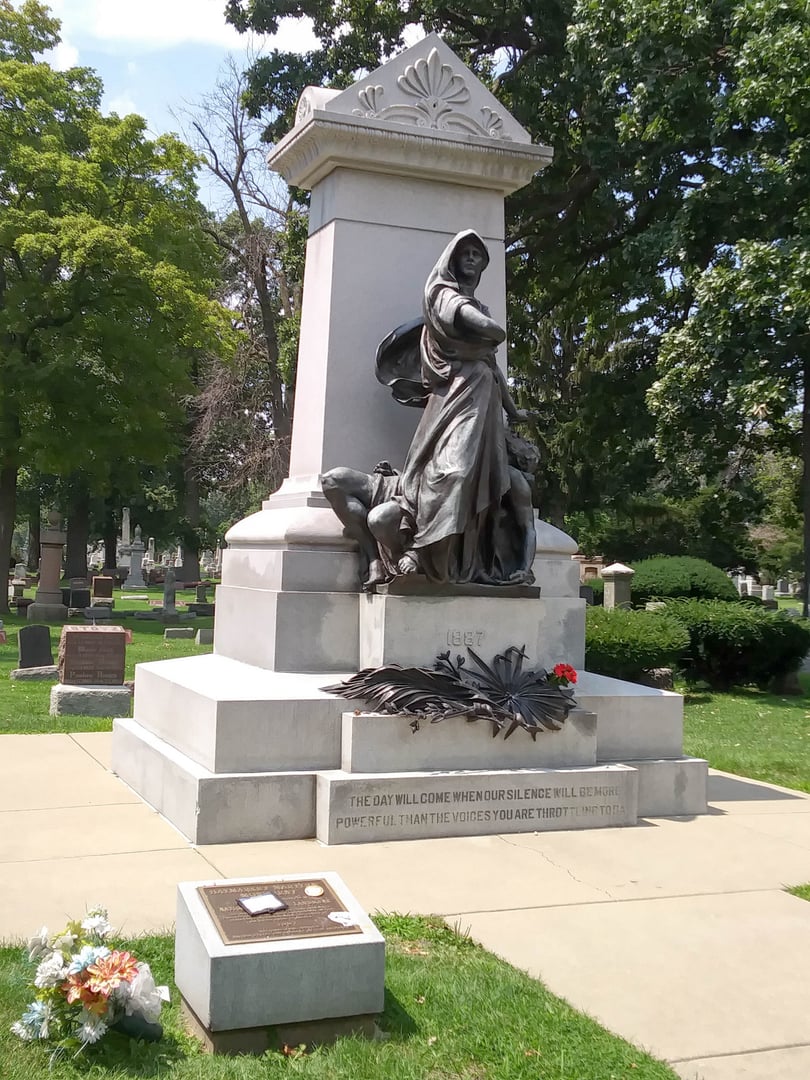
Forest Park, IL
Forest Home Cemetery in Forest Park, Illinois, grew from two adjacent cemeteries — German Waldheim (established 1873) and Forest Home (1876) — which merged in February 1969. The 220-acre site was chosen as a non-denominational burial ground, a policy that made it the only Chicago-area cemetery willing to accept the bodies of the Haymarket defendants in 1887.
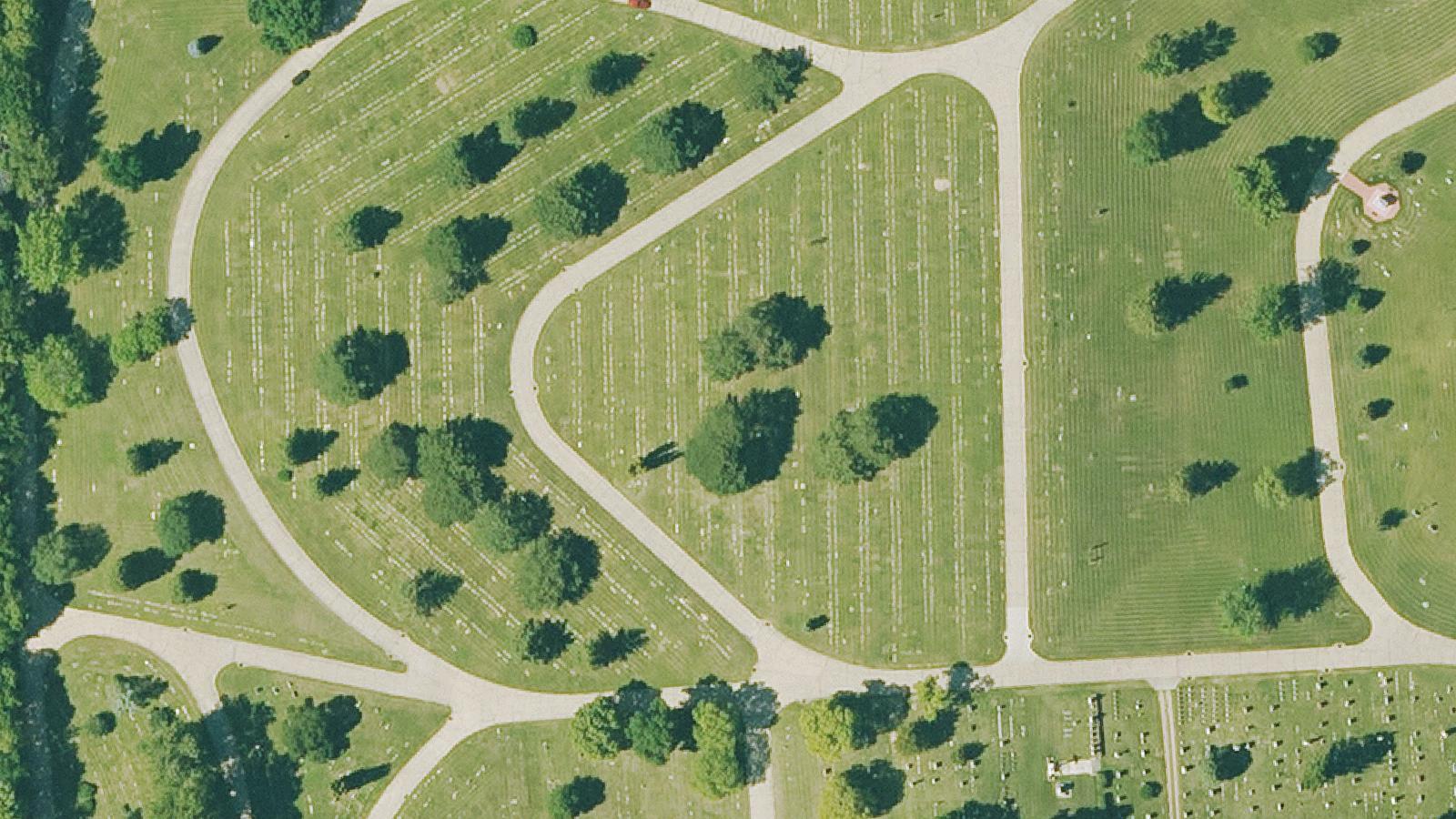 Aerial survey · USDA NAIP
Sioux City, IA
Calvary Cemetery is a Catholic burial ground at 28th and Cassleman on Sioux City's west side, and is the city's second-oldest cemetery. Its older, upper section — reached by a dirt cut-through — is the setting for a long-circulated 'hanging tree' headstone legend, though the claim is disputed by some visitors who say the marker is simply a tree-form stone.