Est. 1860 · National Historic Landmark · Oldest Building on Iowa State University Campus · James Wilson Cabinet Legacy · Land-Grant Agricultural History
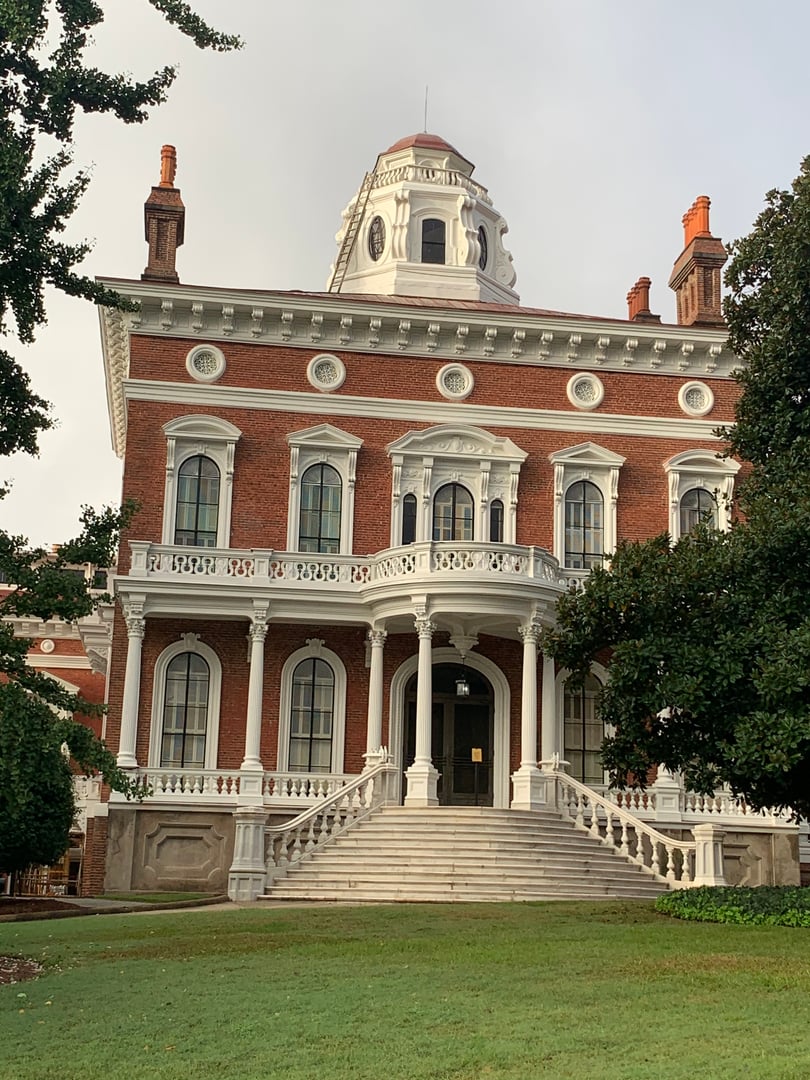
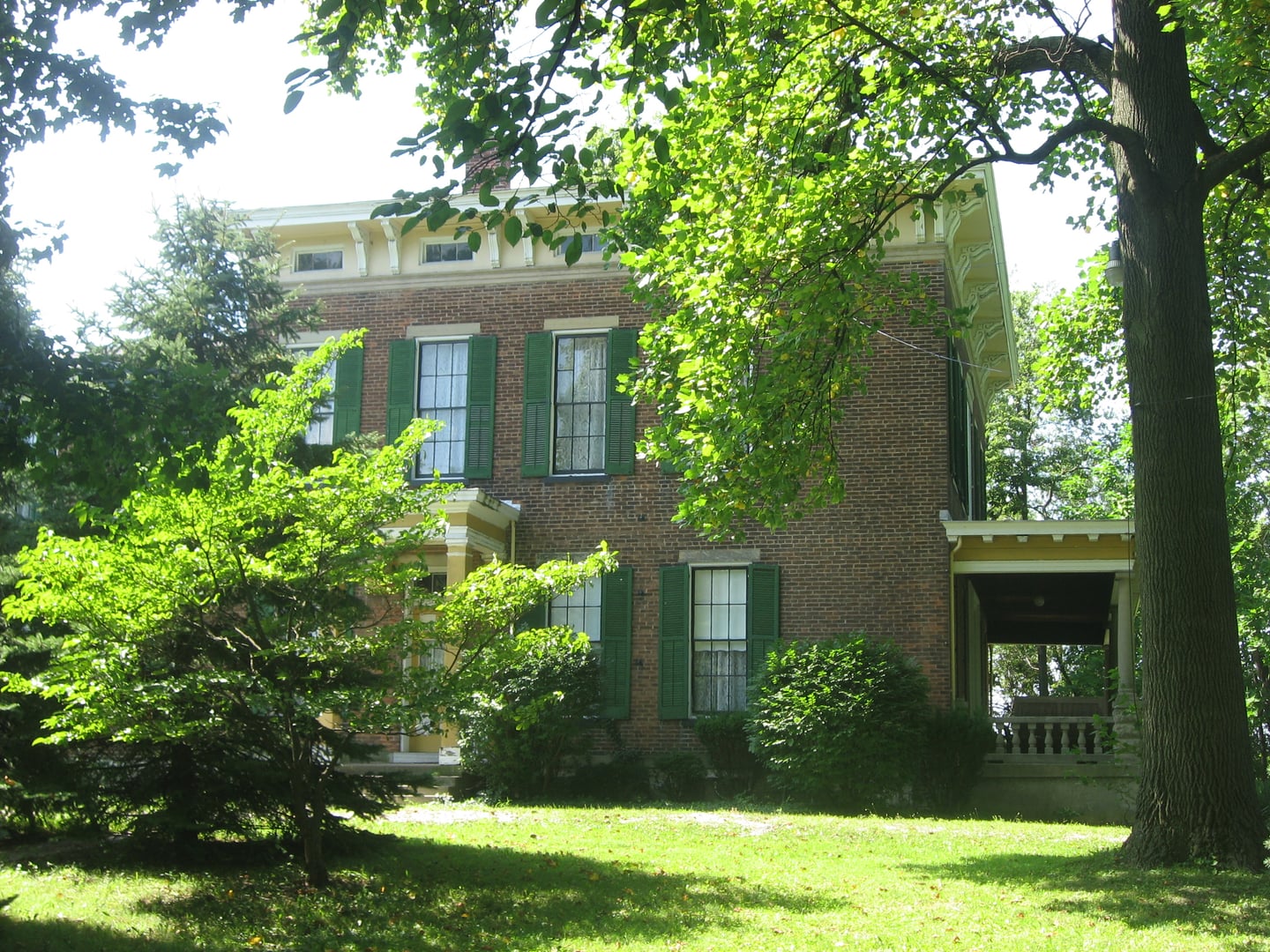
The Farm House on Iowa State University's campus was constructed around 1860 and remains the oldest building on the grounds — a survivor of the university's earliest years when it operated as a land-grant agricultural college under the Morrill Act. The building housed a succession of faculty families through the nineteenth and early twentieth centuries.
Among its most significant residents was James Wilson, who served as U.S. Secretary of Agriculture under Presidents McKinley, Roosevelt, and Taft — the longest continuous cabinet service in American history. Wilson's wife, Esther Wilson, lived in the Farm House during his administrative career. Edith Curtiss, daughter of a later university dean, also had a documented connection to the house during the early twentieth century.
The building was designated a National Historic Landmark in recognition of its role in Iowa State's history and its association with key figures in American agricultural policy. It was restored and opened as a museum, with period furnishings and exhibits interpreting the lives of the families who occupied it from the 1860s through the early twentieth century.
The Farm House retains much of its original interior character, including the second-floor curtains and silver display that are tied to the building's paranormal legends. Iowa State University Museums administers the property as part of the university's historic preservation portfolio.
Sources
- https://en.wikipedia.org/wiki/The_Farm_House_(Knapp%E2%80%93Wilson_House)
- https://www.traveliowa.com/places/farm-house-museum/285/
- https://iowastatedaily.com/50072/news/haunted-isu-tells-chilling-tales-of-the-universities-past/
Pinned curtains found open each morningSilverware rotating to 45-degree anglesApparition of a woman on second floorCold spots in historic rooms
The Farm House carries two distinct paranormal traditions, each tied to a historically documented resident.
Edith Curtiss, the daughter of a university dean who lived in the Farm House during the early twentieth century, is said to haunt the second floor. The most specific account involves a pair of curtains that museum staff pin closed each evening before closing. The following morning, those curtains are consistently found open — a detail specific enough to have been documented in Iowa State student press coverage. Apparition sightings on the second floor have also been attributed to Curtiss by building staff and ISU community members over the decades.
Esther Wilson, wife of Secretary of Agriculture James Wilson, died in the Farm House. The paranormal tradition associated with her is focused on the museum's silverware display: utensils are said to rotate to a consistent 45-degree angle, repositioning themselves between staff visits. This phenomenon has been reported by museum workers and documented in campus press accounts.
Both legends are specific in their particulars — named individuals, identifiable objects, repeatable reported behaviors. The Iowa State Daily has reported on both accounts in campus coverage of university ghost lore. Neither has been formally investigated by paranormal researchers, but the specificity and longevity of the reports — and their grounding in actual historical residents of the building — place them in a distinct category among Iowa campus hauntings.
Notable Entities
Edith Curtiss (daughter of a University of Iowa dean; associated with second-floor apparition)Esther Wilson (wife of Secretary of Agriculture James Wilson; died in the house)