Adaptive Reuse · Funeral Home Heritage · Residential Architecture
The apartment building's conversion from funeral home use represents a broader twentieth-century pattern of adaptive reuse in American communities. Funeral homes, once central to civic infrastructure and death-care practices, have been gradually repurposed as residential spaces as funeral industry consolidation and changing practices have altered their economic necessity.
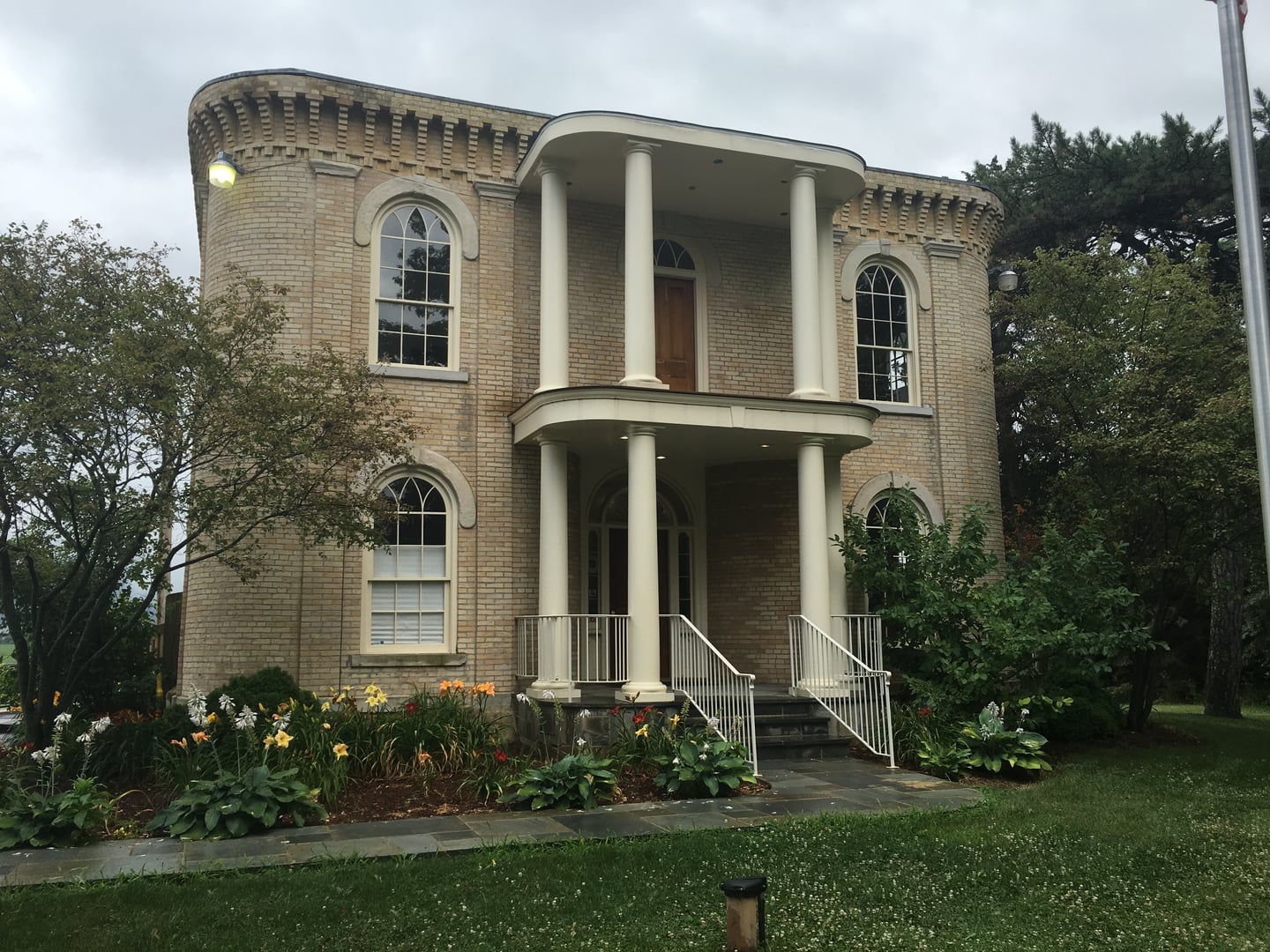
This particular building, housing three apartments, retains architectural features consistent with early-to-mid twentieth-century funeral home design. The conversion preserved the structural integrity of the original building while adapting interior spaces for residential occupation. The specific history of the building's operation as a funeral home—including dates of operation, ownership history, and proprietor names—is not extensively documented in readily available historical records.
The building's location in Story City, a rural Iowa community, suggests it served the town's mortuary needs for an extended period. The transition to residential use reflects both demographic and economic shifts in small Iowa communities, where population stability has made dedicated funeral home infrastructure economically challenging to maintain.
Sources
- https://everloved.com/funeral-homes/IA/story-city/
Phantom footstepsPhantom sounds
The apartment building's paranormal reputation is concentrated primarily in the third unit, where an eighteen-step descent provides both physical and folkloric significance. According to resident accounts, anyone descending those particular stairs reports the distinct impression of being followed. The sensation is described as deliberate presence rather than ambient psychological unease—as though an entity actively shadows the individual's movement downward.
Auditory phenomena accompany the descent experience. Witnesses report disembodied footsteps synchronizing with their own movement, suggesting responsive intelligence rather than simple residual haunting. The footsteps reportedly continue even after the individual has reached the bottom landing, occasionally ceasing only when the resident acknowledges or addresses the presence directly.
Additional phenomena occur throughout that apartment when residents are alone. Unexplained noises—described as knocking, creaking, or indistinct vocalizations—manifest in the absence of mechanical or environmental sources. Some accounts describe these sounds as mournful or anguished in quality, lending folkloric support to the building's funeral home origins.
The concentration of phenomena in the third apartment may relate to that unit's location or the original building's layout, possibly representing areas where funeral home operations focused. Whether the reported experiences represent genuine paranormal manifestations, psychological expectations triggered by the building's funeral home history, or acoustic properties specific to that unit's architecture remains undetermined. The former funeral home context provides a convenient narrative framework for interpreting ambiguous sensory experiences in an old building.