Est. 1773 · Oldest Lighthouse in Georgia · First-Order Fresnel Lens · National Register of Historic Places · Fort Screven Defense System
General James Oglethorpe, Governor of the colony of Georgia, ordered construction of a day-mark on the north end of Tybee Island in 1732, four months after the founding of Savannah. The first day-mark, a 90-foot wooden tower with no light, was completed in 1736 under the supervision of Noble Jones of Wormsloe Plantation. The structure marked the entrance to the Savannah River for ships approaching from the Atlantic. A second day-mark was completed in 1742; Oglethorpe described it as the best building of that kind in America.
The third Tybee tower, the first to carry a light, was authorized in 1768 and completed in early 1773. This tower was damaged during the Civil War and rebuilt in 1867 by the U.S. Lighthouse Board following the war. Rather than replacing the structure, the Lighthouse Board added a new upper section to the surviving lower sixty feet of the 1773 tower. The current 154-foot tower thus combines colonial-era and Reconstruction-era construction.
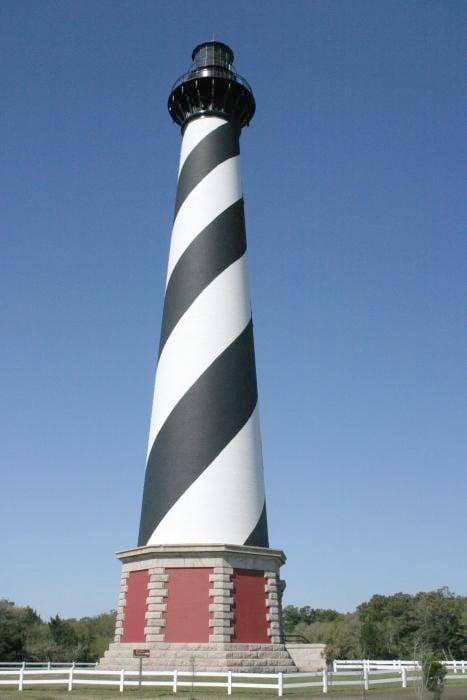
The lighthouse carries the same first-order Fresnel lens installed in 1867. The current 1916 black-and-white day-mark pattern dates to the early-twentieth-century Lighthouse Service repainting and remains the tower's identifying configuration.
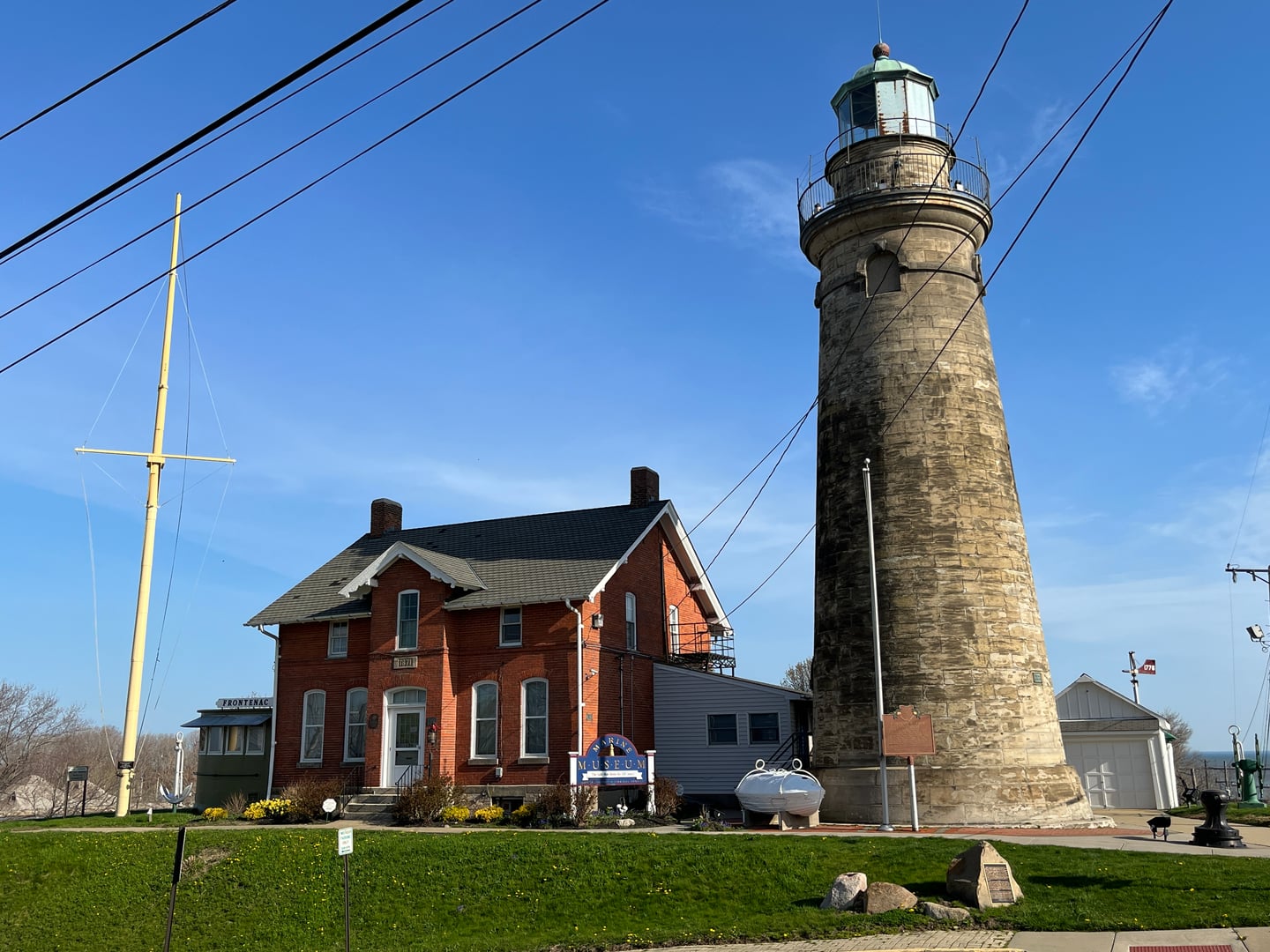
The surrounding light station includes the head keeper's dwelling, two assistant keepers' dwellings, the oil storage building, and the summer kitchen. Tybee is among the most physically complete historic light stations in the United States. The 1899 military battery adjacent to the light station, built during the period when Tybee Island also served as Fort Screven, houses the Tybee Island Museum.
The lighthouse was automated in the mid-twentieth century and is now under the operational stewardship of the Tybee Island Historical Society. The Coast Guard continues to maintain the optic.
Sources
- https://www.tybeelighthouse.org/
- https://www.tybeelighthouse.org/history-of-tybee-light-station-and-fort-screven
- https://exploregeorgia.org/tybee-island/history-heritage/lighthouses/tybee-island-lighthousemuseum
ApparitionsPhantom footstepsPhantom soundsDoors opening/closingEquipment malfunctionBattery drain
The most-cited Tybee Island paranormal figure is a keeper identified in ghost-tour tradition as George Shaw, said to have died in 1887 under circumstances that local tradition records as unresolved, with some accounts describing his death as a murder committed by an assistant keeper. The name "George Shaw" does not appear in the official U.S. Lighthouse Service keeper record for Tybee Island, which shows William O'Reilly serving as head keeper from 1882 to 1888 (source: Lighthousefriends.com, lighthousefriends.com/light.asp?ID=322). The story circulates through ghost-tour operators rather than primary documentation. A keeper-era figure consistent with the dates and the station has been reported at the keeper's dwelling at the base of the tower across multiple decades; the identity assigned by tradition is unverified.
A second figure is Lachlan, a child identified in local tradition as the daughter of an early Tybee keeper. The name Lachlan does not appear in any keeper family record associated with the station. The figure has been reported on the spiral staircase of the tower, sometimes by adult visitors and sometimes by other children. The Lachlan tradition includes a recurring detail in which the figure delivers a warning to turn back, which the surrounding ghost-tour industry has elaborated into more dramatic variants.
Visitors and Tybee Island Historical Society staff have reported the sound of footsteps and a whistled tune on the spiral stairs when no one else is present in the tower. The front door of the keeper's dwelling has been reported producing an audible attempt-to-open sound when the building is locked and empty. Electronic-equipment malfunctions, particularly battery drain on cameras and recording devices, have been reported in the second-floor children's room of the keeper's dwelling.
Local psychic and paranormal-investigation visits have produced reports of additional figures interpreted as shipwreck victims, given the lighthouse's purpose and the documented loss of life along the Savannah River bar across multiple centuries. The historical society treats the paranormal narrative as part of the property's working character without actively promoting it as a marketed attraction.
Notable Entities
A keeper (identified in ghost-tour tradition as "George Shaw" — name unverified in official records)Lachlan (child figure — name unverified in keeper family records)