Museum Visit
Telfair Academy Museum Visit
Self-guided tour of the 1818 mansion's period rooms and the 1886 Sculpture Gallery and Rotunda, including 19th- and 20th-century American and European art.
- Duration:
- 1.5 hr
HauntBound archive · catalog record
Reported phenomena, as catalogued
Regency-era mansion on Telfair Square, bequeathed by Mary Telfair as the South's first public art museum — visitors report rapid footsteps when house rules are broken.
121 Barnard Street, Savannah, GA 31401
Research updated May 2026
Age
All Ages
Cost
$$
Standard museum admission; combined Telfair Museums ticket covers all three sites.
Access
Wheelchair OK
Paved sidewalks; historic interior with some steps.
Equipment
No Photos
Est. 1818 · First public art museum in the American South (opened 1886) · Original Telfair family mansion designed by William Jay c. 1818 · One of the earliest U.S. museums founded by a woman (Mary Telfair, d. 1875) · Home of the 'Bird Girl' statue made famous by 'Midnight in the Garden of Good and Evil'
The Telfair Academy occupies the former townhouse of the Telfair family, one of Savannah's most prominent early-19th-century households. The mansion was constructed beginning in 1818 for Alexander Telfair and designed by William Jay, the young English-born Regency architect whose other Savannah commissions include the Owens-Thomas House and the original Savannah Theatre. The house sits on the west side of Telfair Square, occupying an entire trust block bounded by Barnard, West President, North Jefferson, and West State Streets.
Mary Telfair, Alexander's sister and the last surviving member of her immediate family, lived in the home for decades. Upon her death in 1875, she bequeathed the mansion, its furnishings, the family's art and book collections, and a significant portion of her estate to the Georgia Historical Society, with instructions that the property be opened as a public museum free to the citizens of Savannah. The Georgia Historical Society engaged the German-born American architect Detlef Lienau, who designed major additions including the Sculpture Gallery and the Rotunda before the museum's public opening in 1886.
When the Telfair Academy of Arts and Sciences opened that year, it became the first public art museum in the American South and one of the first museums in the United States to be founded by a woman. The Georgia Historical Society operated the museum until 1920, when stewardship transferred to a separate Telfair board. The Academy is one of three sites operated today by Telfair Museums, together with the Owens-Thomas House (also designed by William Jay) and the contemporary Jepson Center.
The Academy's permanent collection focuses on 19th- and 20th-century American and European paintings, works on paper, sculpture, and decorative arts. The original Telfair family rooms are preserved as period interiors that interpret the antebellum mansion's domestic life. The 'Bird Girl' statue — photographed for the cover of John Berendt's 'Midnight in the Garden of Good and Evil' — was relocated from Bonaventure Cemetery to the Telfair Academy in 1997 for preservation and remains a frequent visitor draw.
Sources
The Telfair Academy's reputation as a haunted site rests almost entirely on a single resident spirit: Mary Telfair herself, the bequest's author and the museum's posthumous patron. According to ghost-tour accounts including Ghost City Tours' Savannah programs and US Ghost Adventures' Savannah catalog, Mary's protective presence is felt most strongly when visitors disregard the rules of the house. Many of the museum's antique chairs and furnishings are roped off and marked 'Do Not Sit,' and tour operators say that guests who ignore the signs sometimes hear quick, sharp footsteps approaching down a hallway — said to be Mary on her way to scold them.
Lore also attributes other small disturbances to Mary's dislike of disorder. October All Year's roundup of Savannah's haunted homes recounts a story in which a sudden storm forced an event to move indoors against the wishes of the museum's traditional rules, after which a gust of wind reportedly tore through the mansion. Visitors and staff have reported sudden migraines, cold spots, and the sense of being watched in the original Telfair family rooms, particularly the rotunda and the upper galleries.
The paranormal claims here are folkloric rather than evidentiary — there are no documented investigations, photographs, or audio recordings that have been independently corroborated. The legends function more as a personality study than a horror story: a portrait of a strong-willed 19th-century woman whose love for her home outlasted her life, expressed today through the lightest of touches across marble floors.
Notable Entities
Self-guided tour of the 1818 mansion's period rooms and the 1886 Sculpture Gallery and Rotunda, including 19th- and 20th-century American and European art.
Some links on this page may earn HauntBound a small commission when you book, at no extra cost to you. Our editorial picks are independent. Full disclosure
Every HauntBound history is researched from documented sources. We clearly separate verified historical fact from paranormal folklore.
Free Guide
11 verified stops, rated for families, mapped in order. Free.
One email to confirm, then the guide link. Unsubscribe anytime.
Savannah, GA
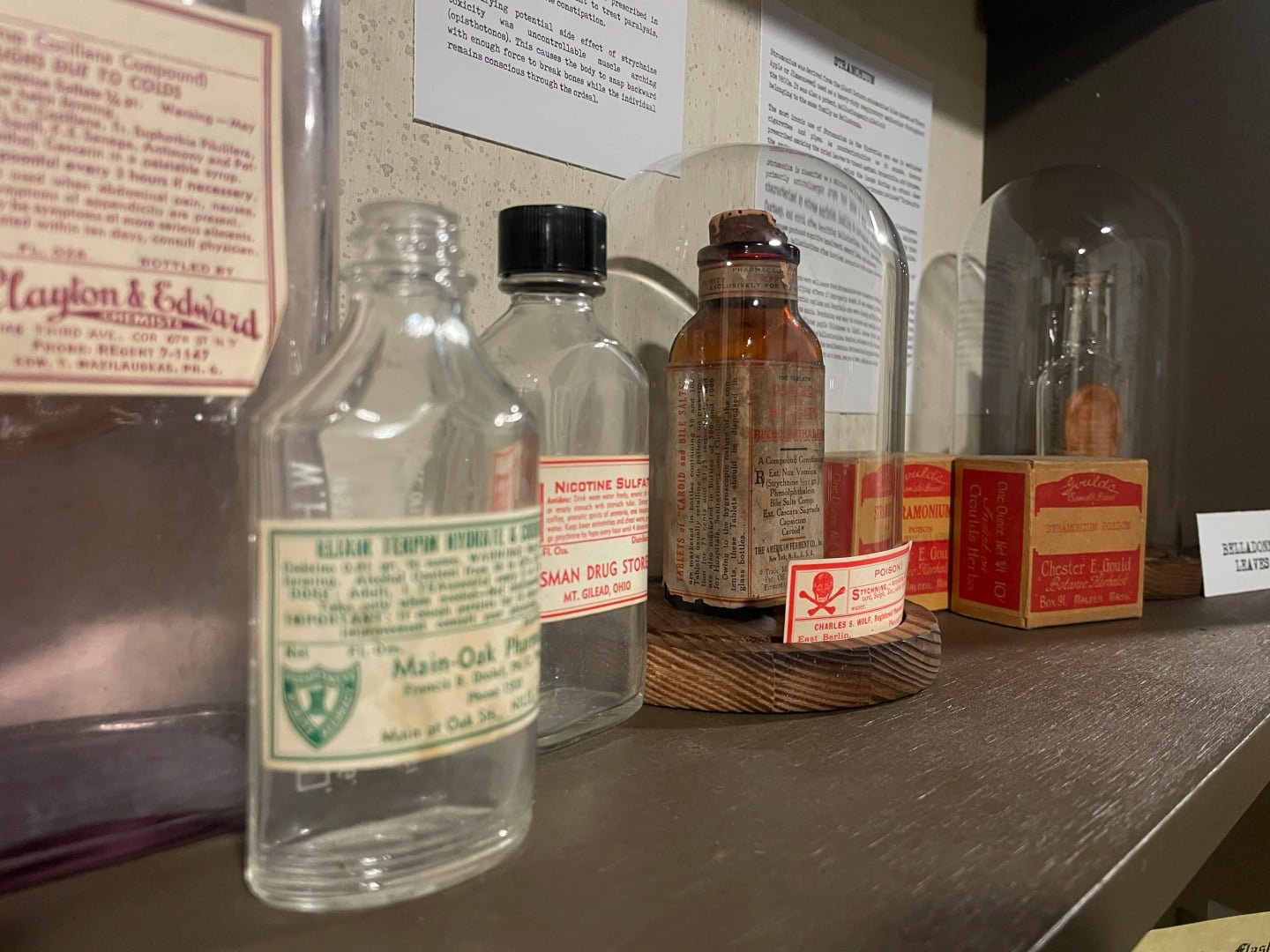
Graveface Museum opened in 2020 on Savannah's historic Factors Walk, founded by Ryan Graveface — a musician and record label owner who built the collection over decades. The museum holds over 30,000 Gacy items including hundreds of original paintings, making it the largest documented collection of his work. It also holds the most extensive public display of Ed Gein artifacts.
Savannah, GA
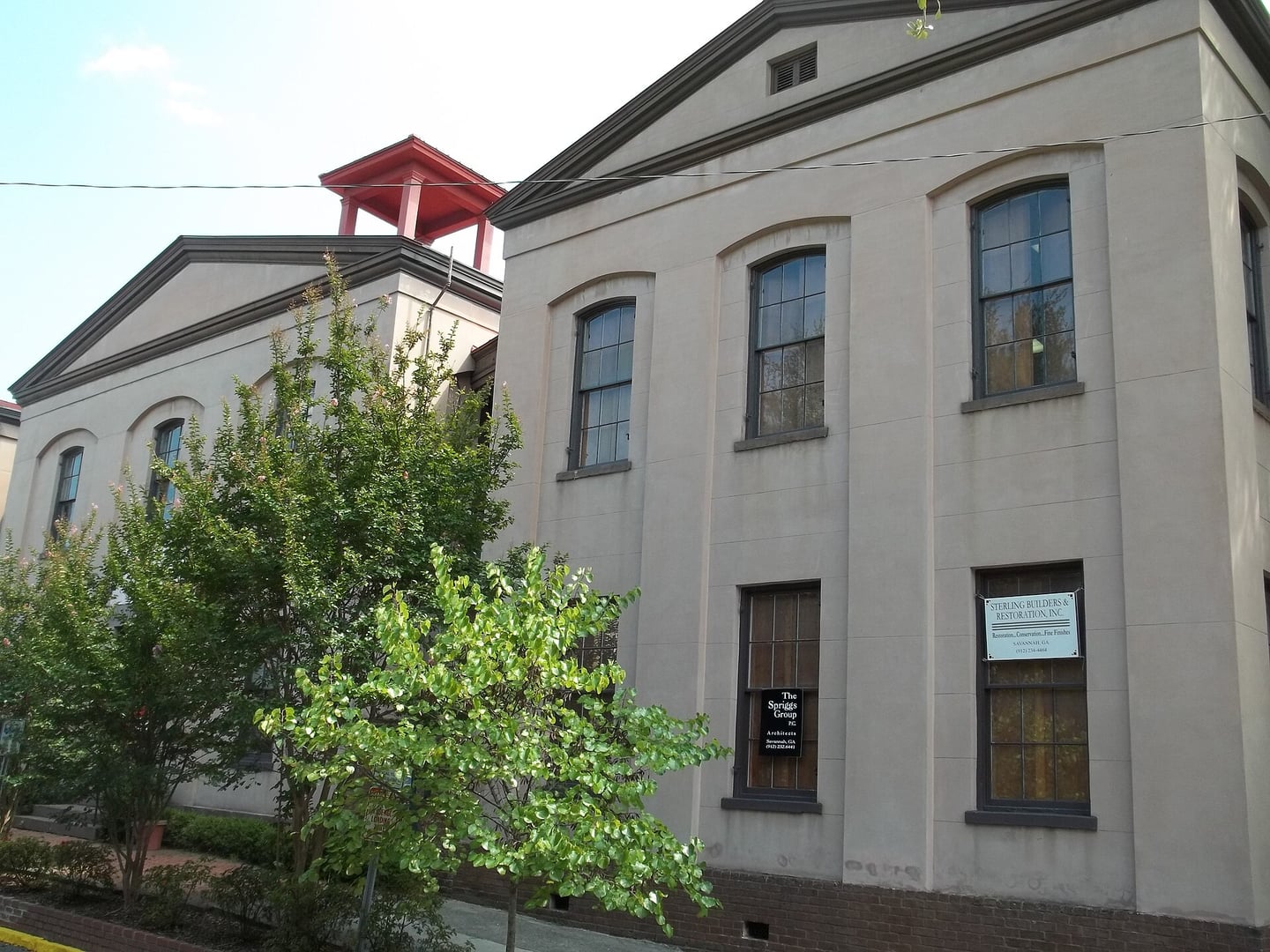
Funded by an 1841 bequest of $5,000 from Scottish-born Peter Massie of Glynn County and designed by architect John Norris, the Massie Common School House opened in 1856 as Savannah's first public school. Union forces used it as a hospital during Sherman's 1864 occupation. It closed as a school at the end of the 1974 school year and reopened in 1978 as the Massie Heritage Center.
St. Augustine, FL
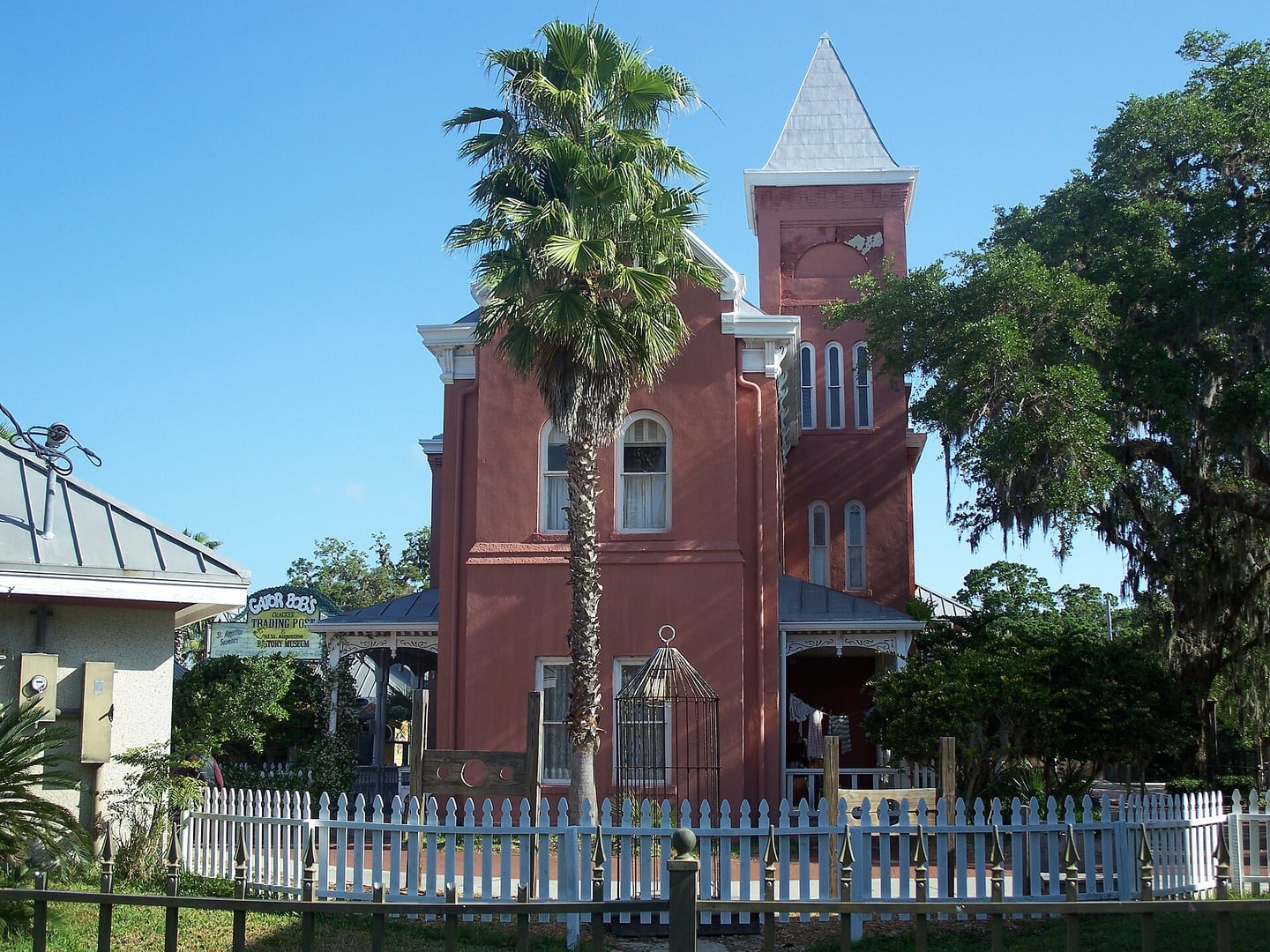
The Old St. Johns County Jail at 167 San Marco Avenue in St. Augustine, Florida was commissioned by railroad magnate Henry Flagler and constructed in 1891. Designed by the same architectural firm later used for Alcatraz, the facility housed prisoners under conditions so severe — one bucket per cell as a toilet, minimal diet, and labor in Flagler's fields — that it was closed in 1953. Eight documented executions occurred on site before the county converted the building to a tourist attraction in 1954.