Restored Lawrenceville historic home · Adaptive-reuse event-venue conversion · Gwinnett County wedding-industry property
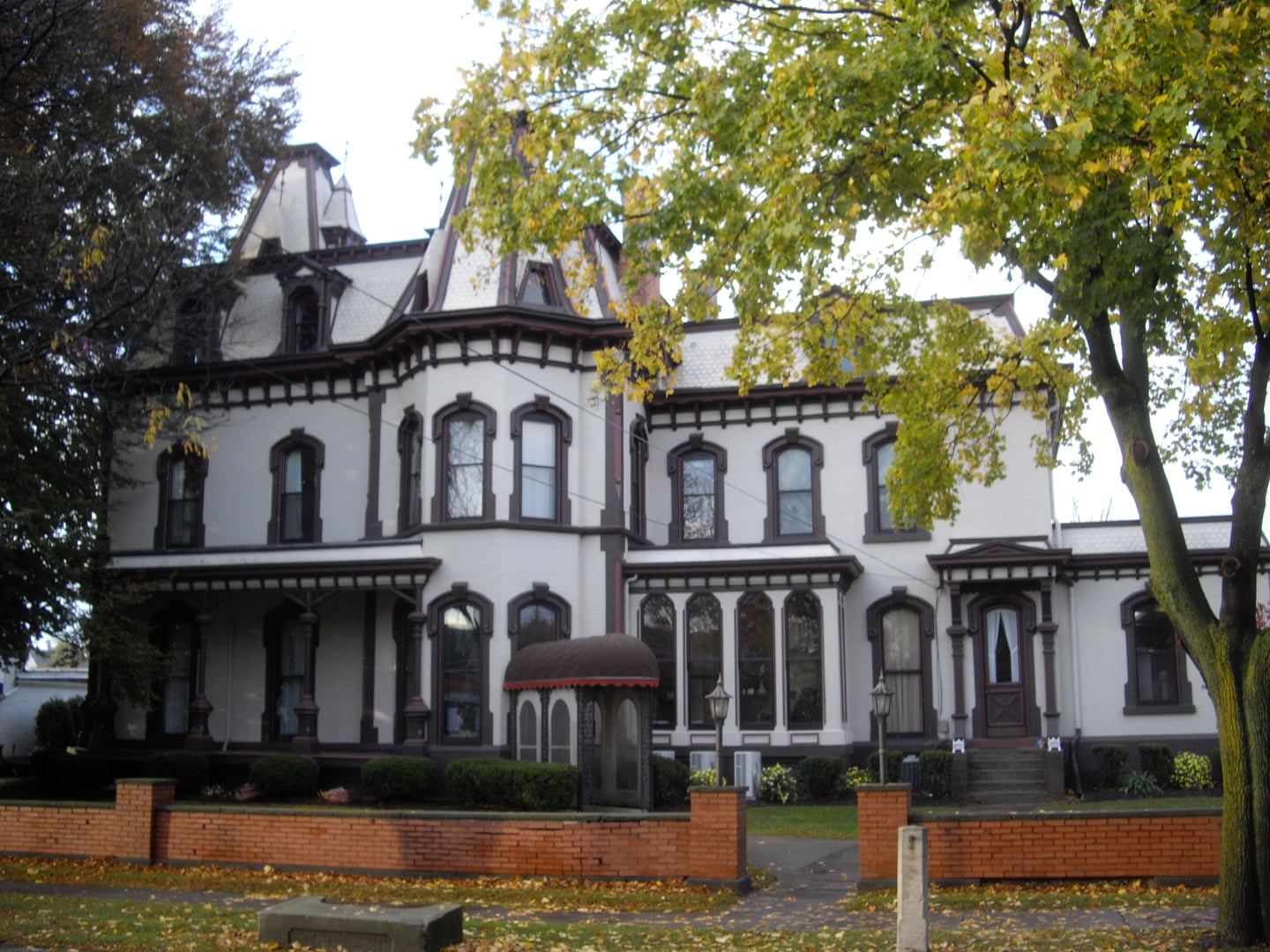
Natalie House (formerly Little Gardens) occupies a restored Georgian mansion on Lawrenceville Highway in Lawrenceville, Georgia, the Gwinnett County seat in the Atlanta metropolitan area. The property's main building is a two-story home with surrounding landscaped gardens, a chapel, and reception structures added during the building's adaptive-reuse conversion to an event venue.
The property's earlier twentieth-century history included a tenure as a fine-dining restaurant; in recent years the venue's operations have focused primarily on weddings, rehearsal dinners, and private events. The current ownership has continued garden maintenance and historic-home preservation alongside the event-business model. The Atlanta-area wedding-industry press has covered the venue's restoration and event programming.
The building's full original construction chronology is not documented in widely available public archives. Lawrenceville itself was founded in 1821 and developed as a county seat through the nineteenth century; surviving frame and brick residential architecture in the immediate vicinity of Lawrenceville Highway includes properties from across the nineteenth and early twentieth centuries. Visitors interested in deeper architectural provenance should consult the Gwinnett Historical Society directly.
Sources
- https://littlegardens.com/
- https://en.wikipedia.org/wiki/Lawrenceville,_Georgia
Reported apparition of a woman on upper floorObject movement in dining roomsBathroom doors opening and closingPhantom footsteps
Folklore around Little Gardens predates the property's current event-focused identity, drawing primarily on staff reports from the building's earlier fine-dining tenure. The most frequently described phenomena cluster on the upper floor: a woman's figure observed in the corridors and reception spaces; bathroom doors opening and closing without any visible person passing through them; the sound of footsteps in empty service corridors; and the relocation of dishes and silverware between set positions and other surfaces.
The accounts have been described by multiple long-tenured staff members during the restaurant era and have continued in the event-venue period in attenuated form. The current ownership does not market the property's paranormal reputation; the building's public-facing identity is as a wedding and event venue.
Local folklore associates the woman with an early-twentieth-century death on the property; this attribution is not documented in primary archival sources and is treated here as oral tradition rather than established fact. Visitors attending events at Little Gardens are most likely to engage with the building as a restored historic home and garden setting rather than as a paranormal site.