Henry Knox Trail (1775-1776 artillery transport route) · Berkshire County roadside heritage · Massachusetts Revolutionary corridor
The Knox Trail Inn stands on Route 23 in East Otis, Massachusetts, along the route used by Continental Army Colonel Henry Knox in the winter of 1775-1776 to transport approximately 60 tons of artillery captured at Fort Ticonderoga overland to the siege of Boston. The successful arrival of the Ticonderoga guns in early March 1776 forced the British evacuation of Boston on March 17 and is one of the most consequential logistical feats of the American Revolution.
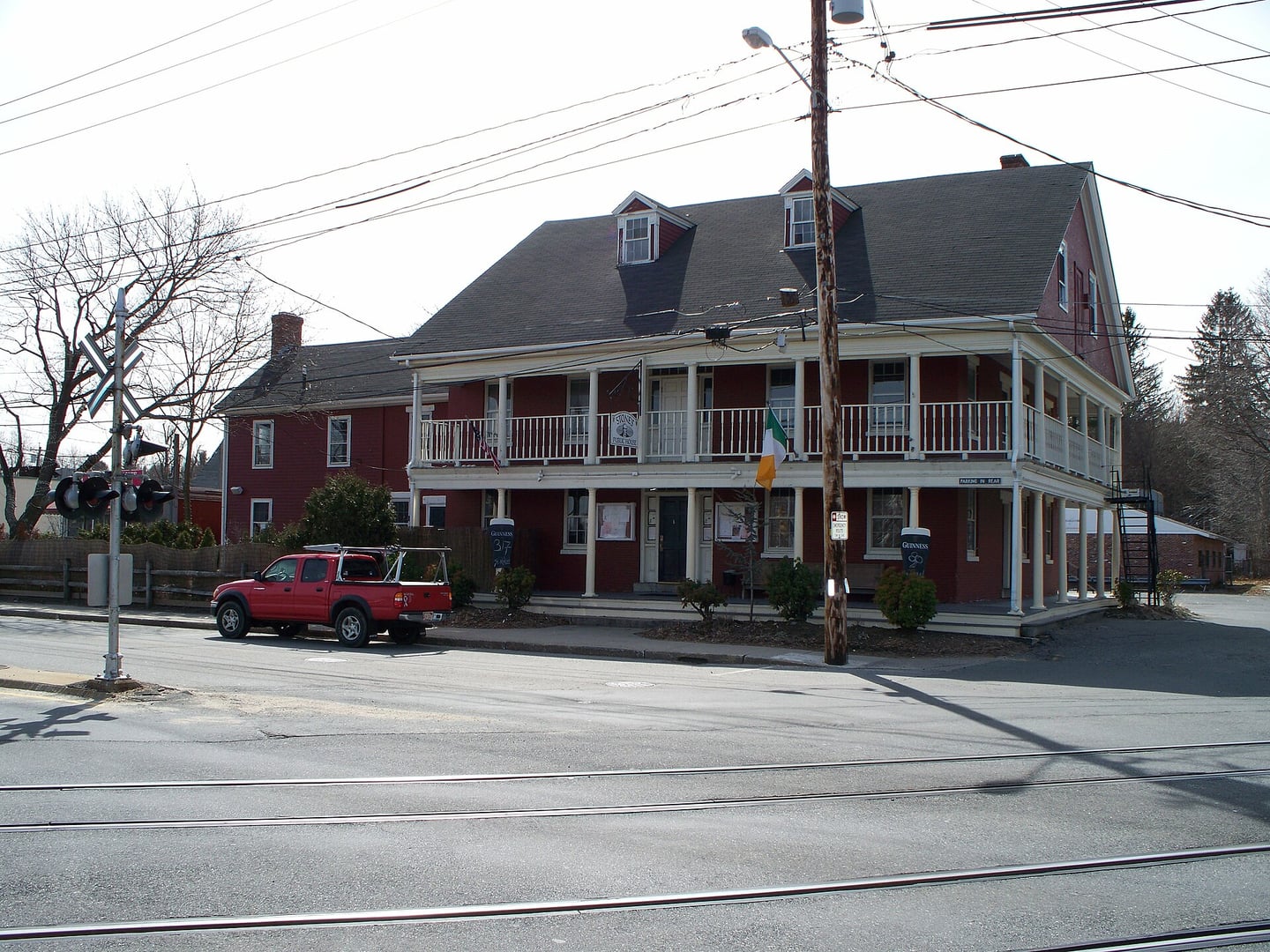
The Knox Trail's Massachusetts segment passes through the southern Berkshires, with marked monuments at multiple roadside locations including portions of present-day Routes 23 and 295. The Knox Trail Inn occupies a frame roadside building along this corridor; the operator calls the property a historical dwelling dating to 1776, though no deed or construction record confirms an exact year, so the exact year is left unstated here.
The Berkshires generally retain a substantial corridor of preserved Revolutionary-era and post-Revolutionary roadside architecture, taverns, and inns. The Knox Trail Inn operates as a casual restaurant within this broader rural-historical context. The property does not market itself as a primary Revolutionary heritage destination; visitors interested in the Knox Trail proper should consult the Massachusetts Department of Transportation's marked-monument tour of the corridor.
Sources
- https://en.wikipedia.org/wiki/Knox_Expedition
- https://www.mass.gov/locations/knox-trail
Clothing tugged with no one visibleInterference with electrical systems
The Knox Trail Inn's folklore centers on a young soldier the operator calls Jake, said to be from either the Revolutionary War or the Civil War, who died of his injuries at the inn. He is reported to tug gently on a guest's shirt or play with the electrical systems, and some guests have reported this recently. The operator's own account does not give Jake an age or describe how long these reports have circulated.
Notable Entities
'Jake' (staff folklore name)