Est. 1910 · Greek Revival Architecture · Braselton Family History · National Register Historic District
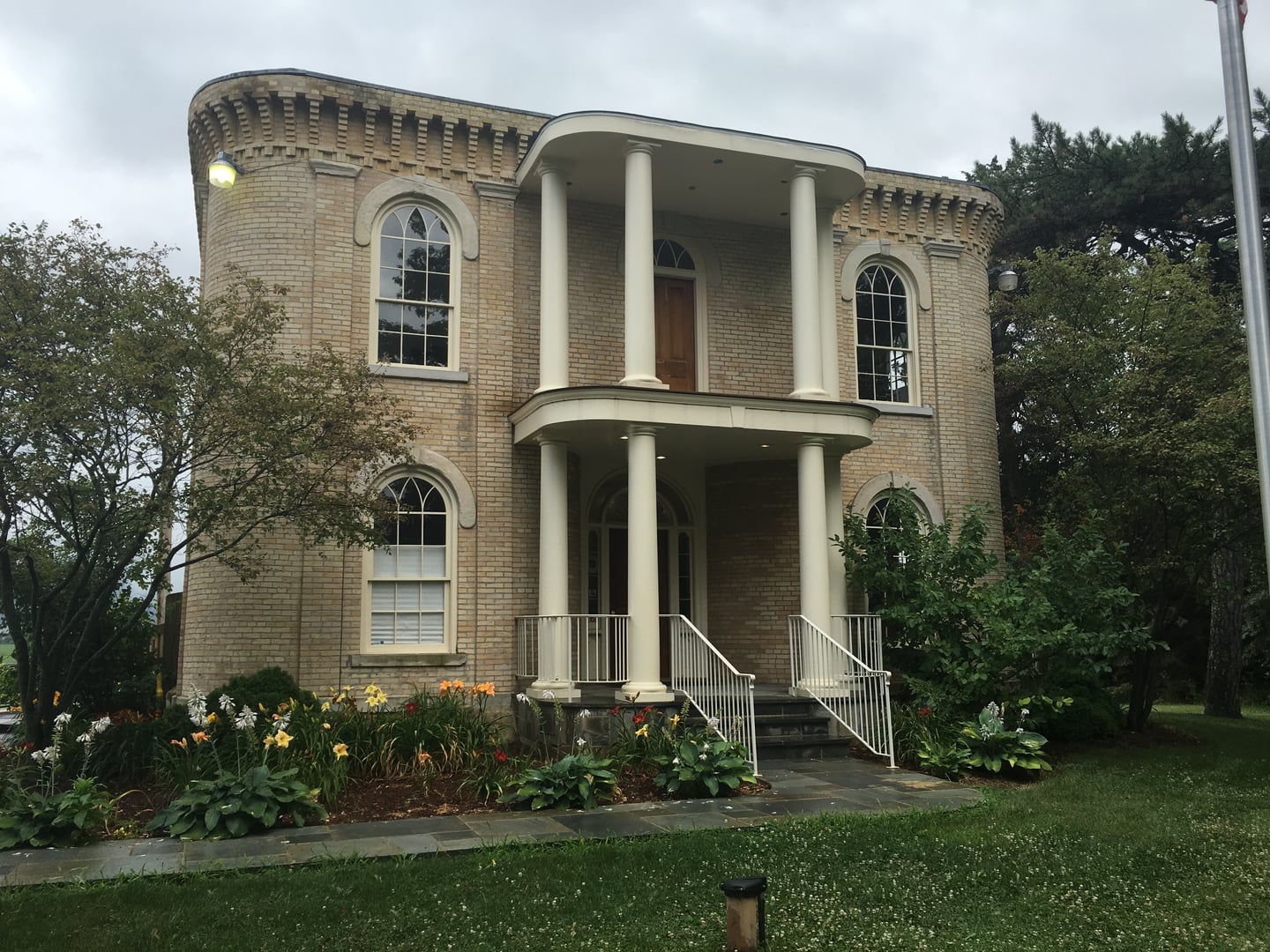
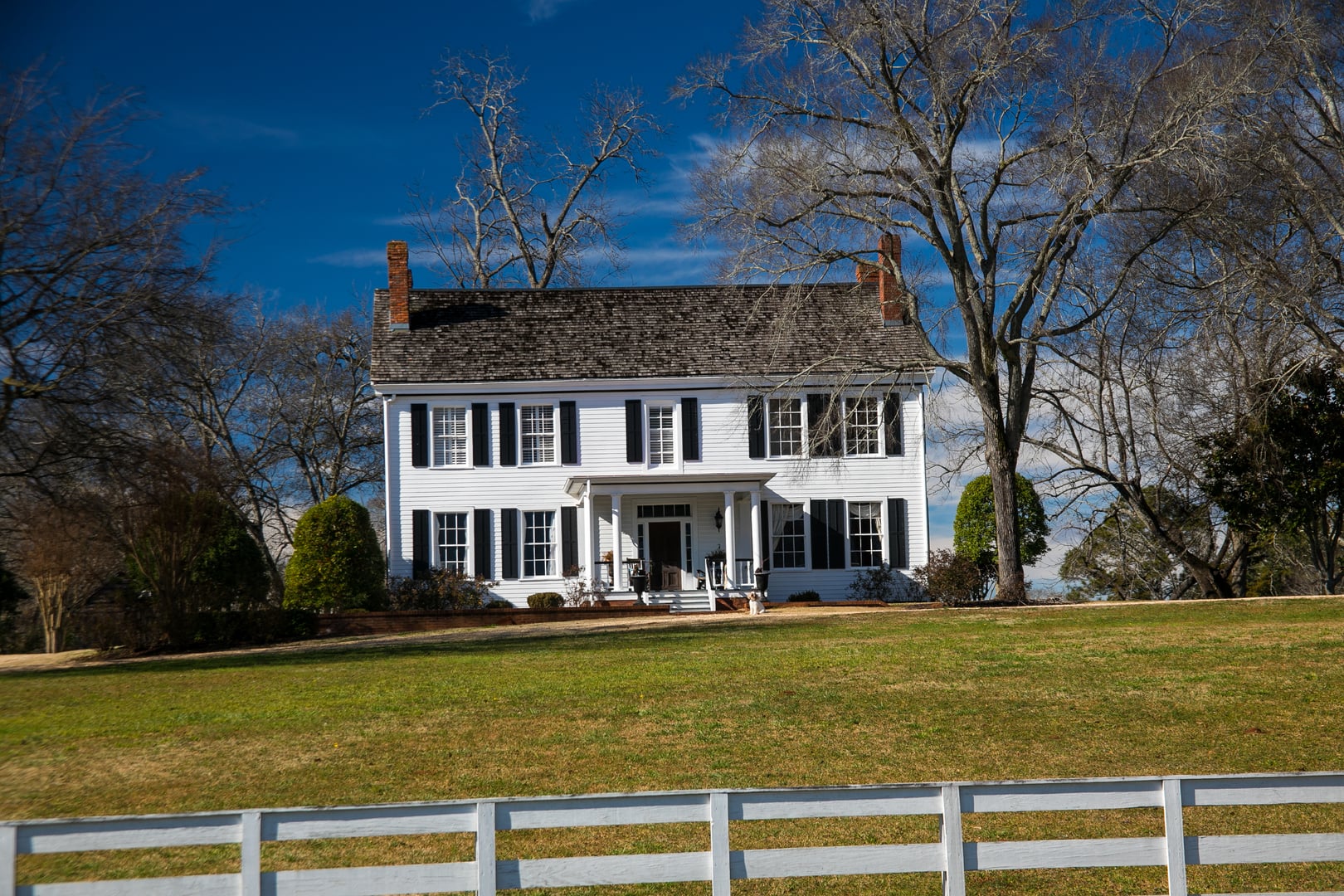
Braselton, Georgia, takes its name from the Braselton family, who settled the area when William Harrison Braselton bought about 800 acres in 1876. His sons built the small town's commercial core piece by piece, including a general store and a bank. William Henry Braselton, the eldest son and the town's first mayor, built the white-columned residence on State Route 53 in the early 1900s as a private home for his family.
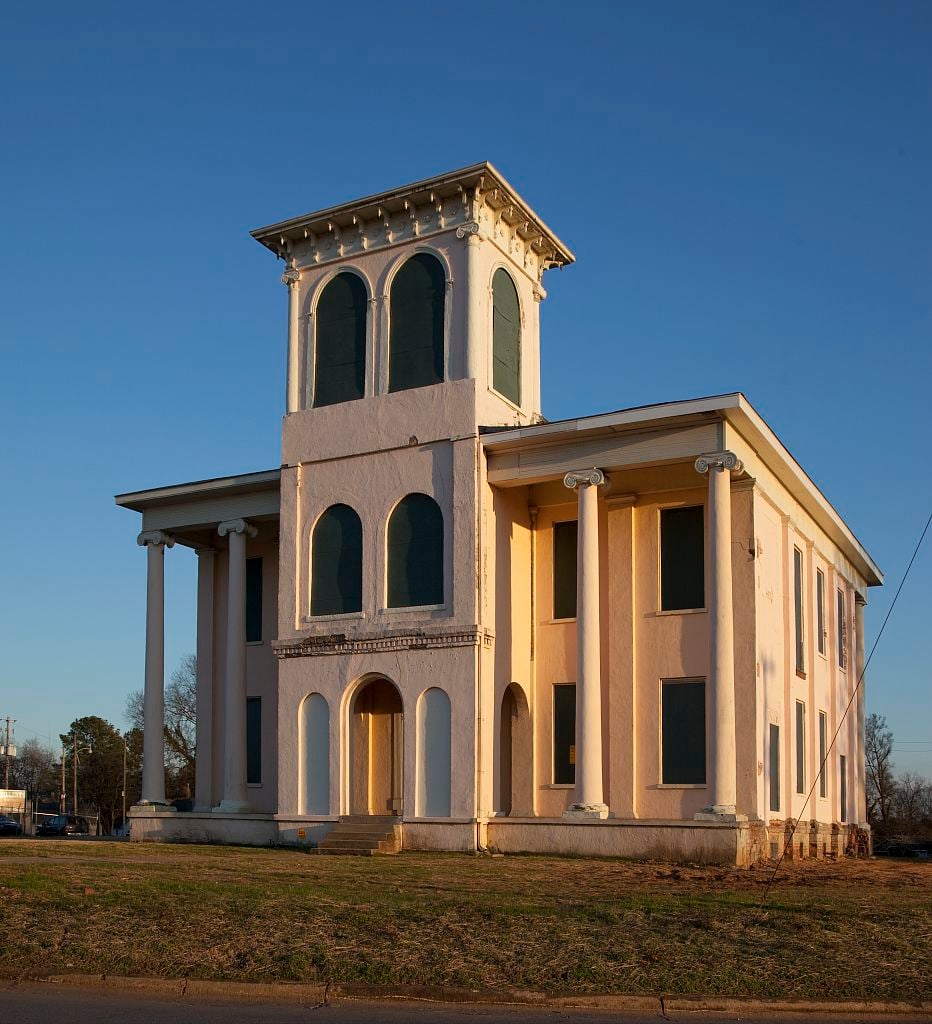
The house follows a Greek Revival pattern uncommon for the modest scale of early Braselton: a two-story frame structure with a four-columned front portico, single-story porches flanking each side, and a small second-floor balcony stepping out from a central door. After it left family use, the property served at various points as a boarding house and as an event venue for weddings and receptions, then sat in declining condition before the town acquired it in the late 1990s.
The city restored the building to house municipal offices, including town hall functions, the police department, and the water utility office. The structure sits within the Braselton National Register Historic District, recognized for its concentration of early-twentieth-century commercial and residential buildings tied to the Braselton family's development of the town. Braselton itself has grown considerably since the 1990s — the population now exceeds 12,000 — but the historic core around Highway 53 has retained much of its original character.
Sources
- https://www.georgiaencyclopedia.org/articles/counties-cities-neighborhoods/braselton/m-10524/
- https://www.braselton.gov/locals/historic_downtown.php
- https://cms2.revize.com/revize/braseltonga/Historic%20Documentation%20FINAL_REPORT_OneDoc_Formatted.pdf
Phantom footstepsApparitionsObject movementPhantom soundsDoors opening/closing
The most-repeated story in the building belongs to a presence employees call Little John. Employee retellings identify him as a relative of the Braselton family who lived in the house during its private-residence years and reportedly took stray dogs as pets. There is some disagreement in retellings about whether Little John was a child or simply a grown man who shared a first name with his father — the second version appears in more recent retellings.
Long-tenured employees describe a consistent set of low-key occurrences: footsteps on the staircase after closing, knocking sounds from interior closets on the upper landing, and the occasional desk drawer found open in the morning that had been locked the night before. Two employees standing on the second-floor landing in mid-day reportedly heard knocking come from an interior closet near a window adjacent to the attic. One of the police department's K-9 dogs is said to refuse entry to the downstairs conference room that once served as the home's formal dining room.
A secondary figure surfaces in only a few retellings: a Braselton matron seen briefly in the downstairs bathroom. Most staff treat the stories with affection rather than alarm. The reports are anecdotal and circulate primarily through employees rather than formal investigation. No paranormal-research group has published findings on the building, and the lore lives mostly as oral tradition among current and retired municipal workers.
Notable Entities
Little John