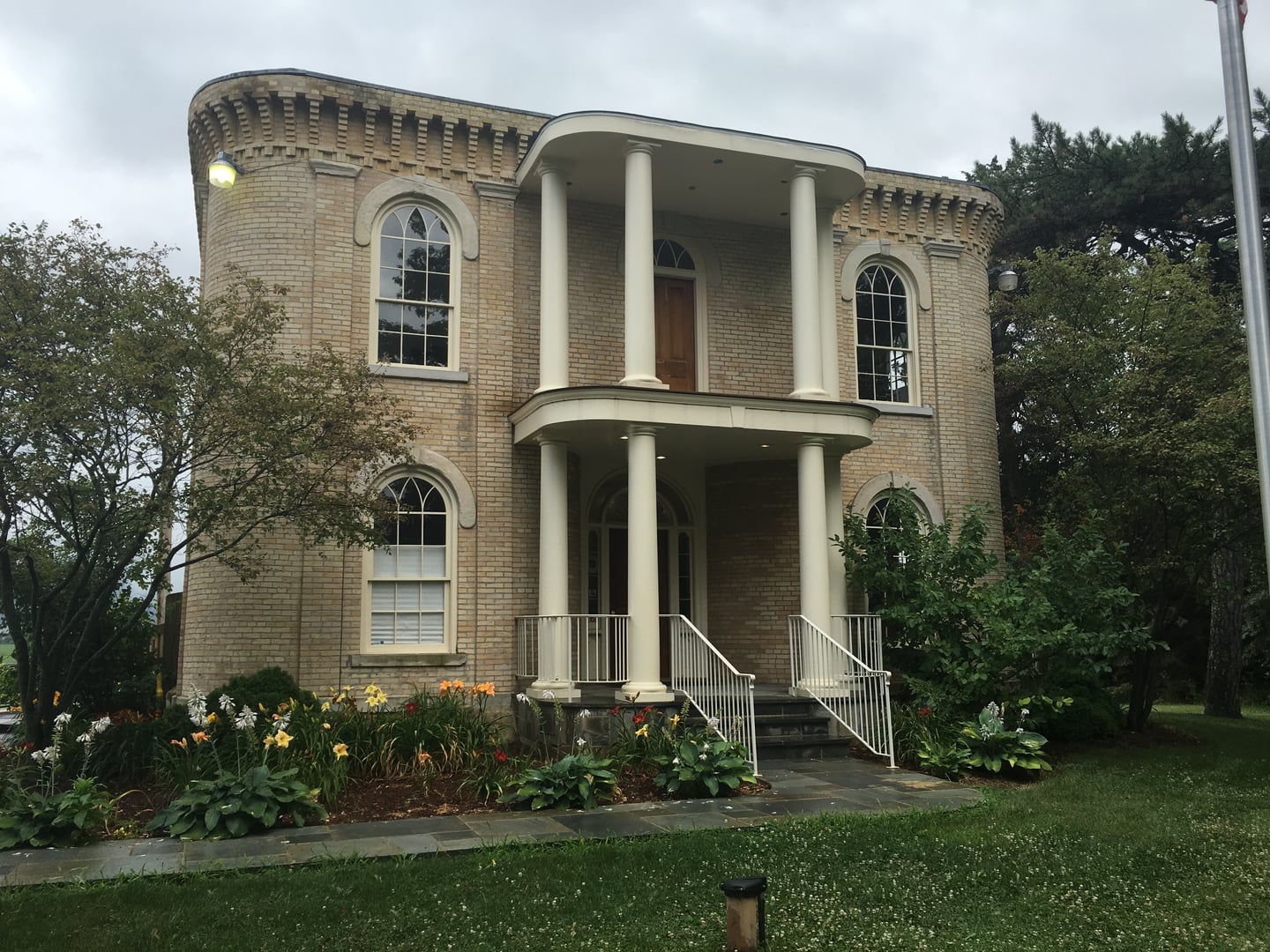
Est. 1885 · National Register of Historic Places · Florida Frontier Hotel · Railroad Era Architecture
Edward Warren Henck founded the town of Longwood in the early 1880s, anchoring it on the South Florida Railroad line that connected Sanford to Orlando. To draw attention to his new community, Henck built a rambling three-story frame hotel in 1885, sited in plain view of railroad travelers. The Longwood Hotel was the largest building in the area and quickly became a regional landmark.
Ownership and naming changed repeatedly. The property operated under several names including the Waltham and the St. George. In 1910, Charles W. Entzminger purchased the property and reopened it as the Longwood Hotel. During the 1920s the hotel took the name Orange and Black and became known across central Florida as a Saturday-night destination.
The original owner George Clark died in April 1923 in an accident at the rear of the hotel during an ice cream social. The detail is preserved in local historical accounts and on a Florida historical marker installed at the site.
The hotel survived where most of its 19th-century peers did not. Today it is one of only a small number of surviving frame hotels from that era anywhere in Florida and is listed on the National Register of Historic Places. The building has been converted to office use, with interior modifications minimized to preserve its historic character. It anchors the Longwood Historic District alongside the relocated Bradlee-McIntyre House, which is sometimes confused with the hotel in online sources.
Sources
- https://en.wikipedia.org/wiki/Longwood_Hotel
- https://www.hmdb.org/m.asp?m=92976
- https://historiclongwood.com/longwood-inn/
Lights flickeringPhantom footstepsCold spotsApparitionsDisembodied laughterDoors opening/closing
Local folklore traces the Longwood Hotel's paranormal reputation to April 1923, when owner George Clark died in an accident at the rear of the building during an ice cream social hosted on the property. Reports of unusual activity at the hotel begin in regional sources soon after.
With the building's conversion to offices, the witness pool shifted from overnight guests to daytime workers. Tenants have described lights switching on and off in unoccupied rooms, the elevator opening and traveling between floors without a passenger, and footsteps moving through empty corridors. Cold spots and shuffling sounds are reported most often on the third floor.
A frequently retold incident involves a Longwood police response to a suspected after-hours burglary. Officers reported seeing a figure in an upper-floor window, established a perimeter, and then conducted a room-by-room search of the building. They found no one inside. The account circulates among veteran officers and is referenced in local paranormal-interest writeups, though the date and case number are not publicly documented.
Staff and visitors over the decades have also reported faint laughter and tapping from upper-floor walls. The building is private office space, so paranormal investigators and the general public do not have routine access. Most accounts come from working tenants rather than from organized investigations.
Notable Entities
George Clark