Est. 1876 · Opened 1876 as Pensacola's second municipal cemetery after St. Michael's Cemetery reached capacity · 26 acres; receives burials from across the city's history · Burial site of Mollie McCoy (1843–1920), Pensacola's most prominent madam; grave marker removed under civic pressure and replaced in 2012 · Burial site associated with outlaw Railroad Bill (d. 1896)
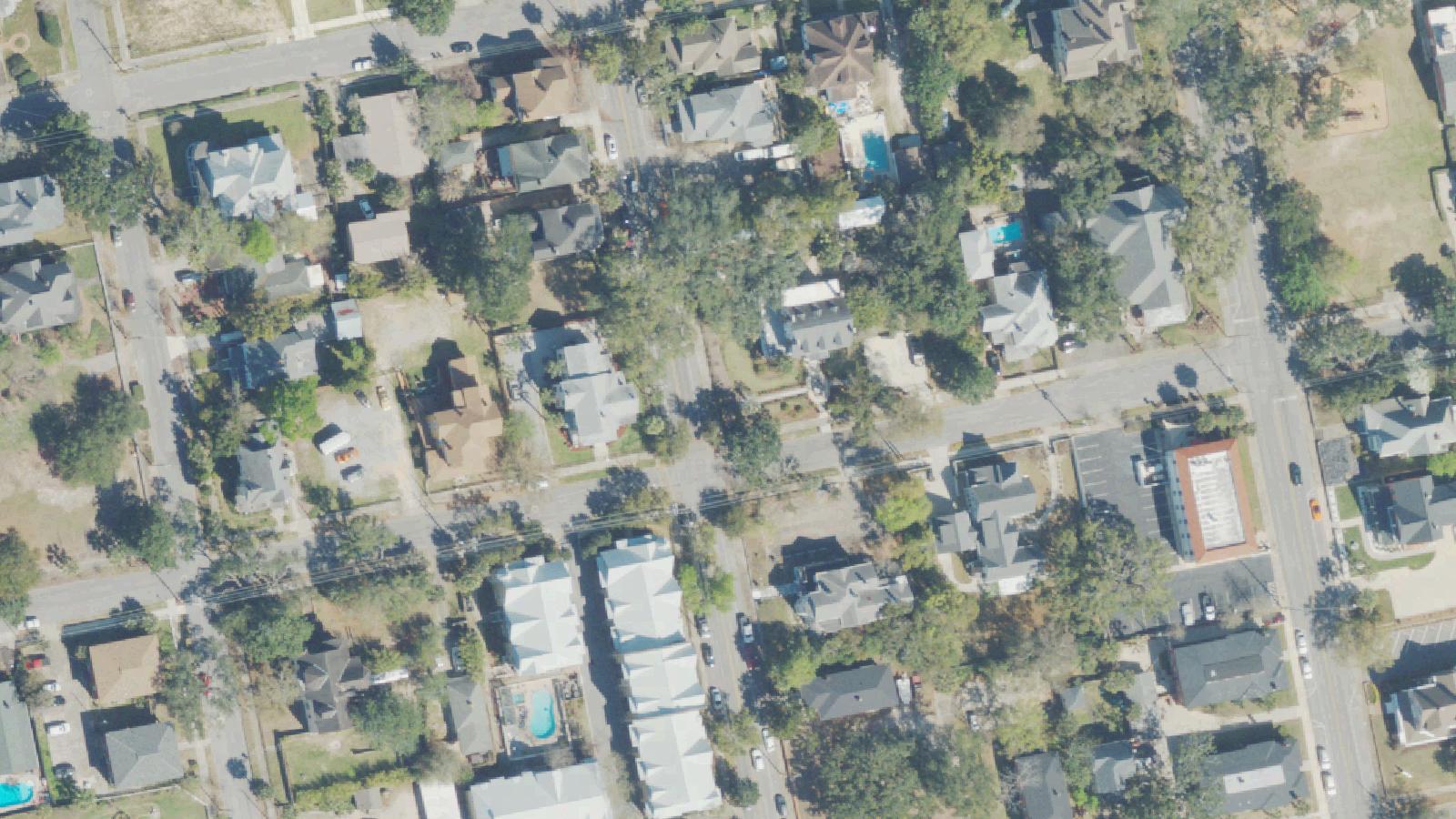
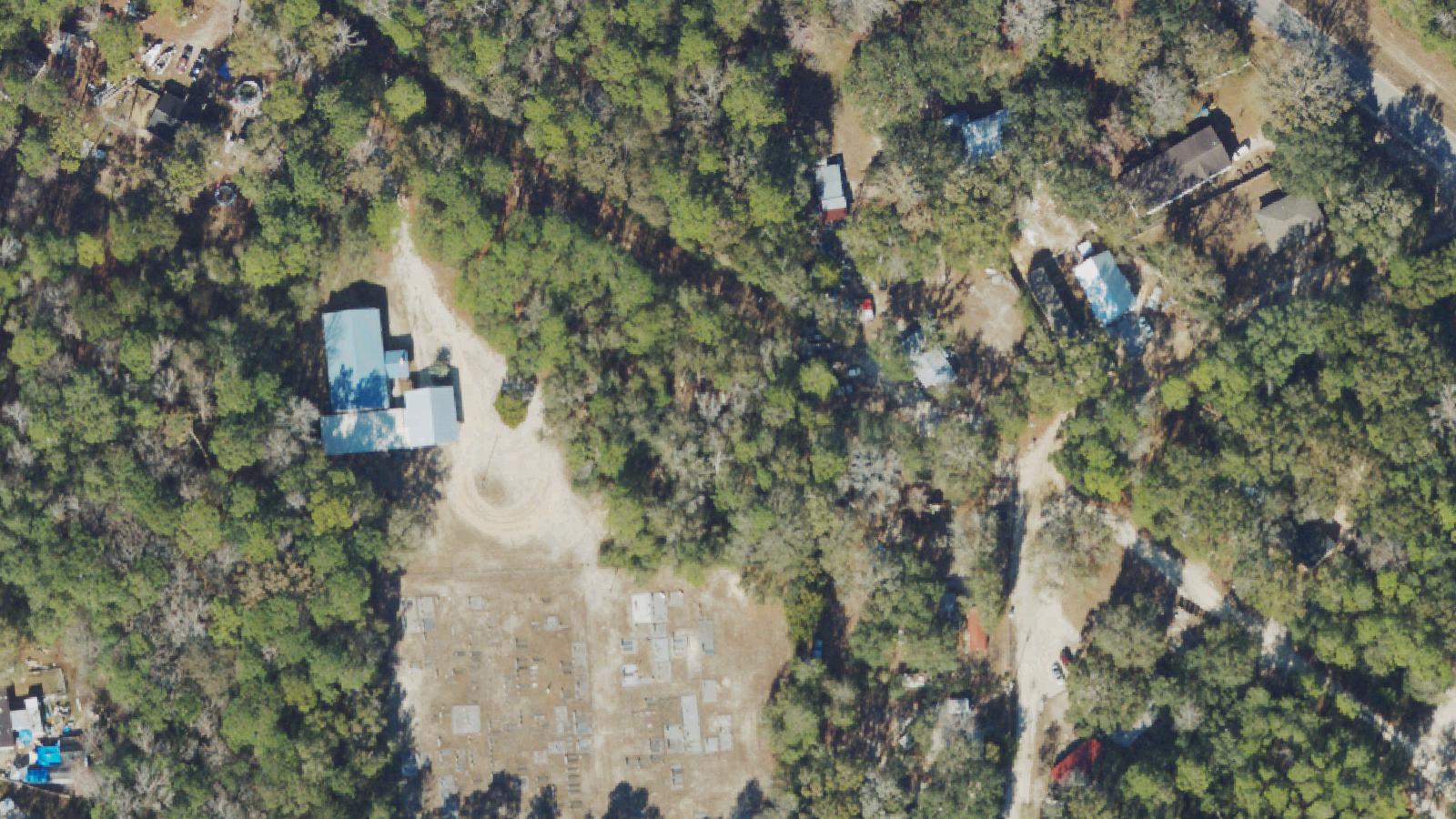
By the 1870s, Pensacola's original municipal cemetery, St. Michael's, had filled to capacity, and the city opened St. John's Cemetery in 1876 to accommodate the growing population. The new cemetery sprawls across 26 acres bounded by L Street, G Street, La Rua Street, and Wright Street in west Pensacola, and it has received burials from across the city's social spectrum for a century and a half.
The most historically contested grave in the cemetery belongs to Mary C. 'Mollie' McCoy, born in 1843 and died February 4, 1920. McCoy operated what was by many accounts the most well-appointed brothel on Pensacola's 'Line' — the informal name for the stretch of West Zaragoza Street dense with houses of prostitution. Her twenty-room brick establishment, which had her name spelled out in gilt lettering on the door, was purchased in 1893 and operated through the early twentieth century. After her death, prominent townspeople pressed the city to remove her grave marker. The original marker was taken down — and before it disappeared, it had developed a local reputation for bringing luck in romantic matters to anyone who touched it.
The grave went unmarked for decades. A new survey of the cemetery in 2012 located McCoy's burial and a replacement marker was placed. The cemetery also holds the grave of outlaw Railroad Bill, whose real name was likely Morris Slater — a former turpentine-camp worker turned train robber who operated across Alabama and the Florida Panhandle in the mid-1890s before being shot in Atmore, Alabama in March 1896.
Sources
- https://www.pensapedia.com/wiki/Mollie_McCoy
- https://www.southernspiritguide.org/five-hauntings-in-the-city-under-five-flags/
- https://en.wikipedia.org/wiki/Railroad_Bill
- https://www.stjohnsdb.com/burial_records/?more=11554
- https://www.stjohnsdb.com/burial_records/print.php?more=12904
- https://encyclopediaofalabama.org/article/railroad-bill/
Apparition near Mollie McCoy's graveSounds of children playing in older cemetery sections with no children presentPresence associated with Railroad Bill's purported burial site
The paranormal lore of St. John's Cemetery has accumulated around its most colorful burials. The grave of Mollie McCoy draws the most attention — her notoriety in life, the civic controversy over her marker, and the decades during which her grave lay unmarked have all contributed to the legend that her spirit lingers near the burial site.
Visitors and paranormal accounts also describe hearing the sounds of children laughing or playing in sections of the cemetery that hold 19th-century family plots, with no children visible when the sound is investigated. These reports echo patterns documented at other historic cemeteries in the region.
The burial here of outlaw Railroad Bill — Morris Slater, who robbed Louisville and Nashville Railroad freight cars across Alabama and the Florida Panhandle before being killed in Atmore, Alabama on March 7, 1896 — has generated its own layer of lore. Slater killed a Baldwin County deputy in April 1895 and fatally wounded the Brewton sheriff near Bluff Springs, Florida in July 1895 before his death. His remains were publicly exhibited across south Alabama before burial. St. John's Cemetery's own burial register records the interment of Morris Slater — identified there as "Railroad Bill" — on March 30, 1896, in Section 42, Lot 4, Space 8, resolving what earlier accounts described as a local dispute over where the burial actually took place.
Notable Entities
Mollie McCoy (1843–1920)Railroad Bill (Morris Slater, d. 1896)