Central Florida Railroad History
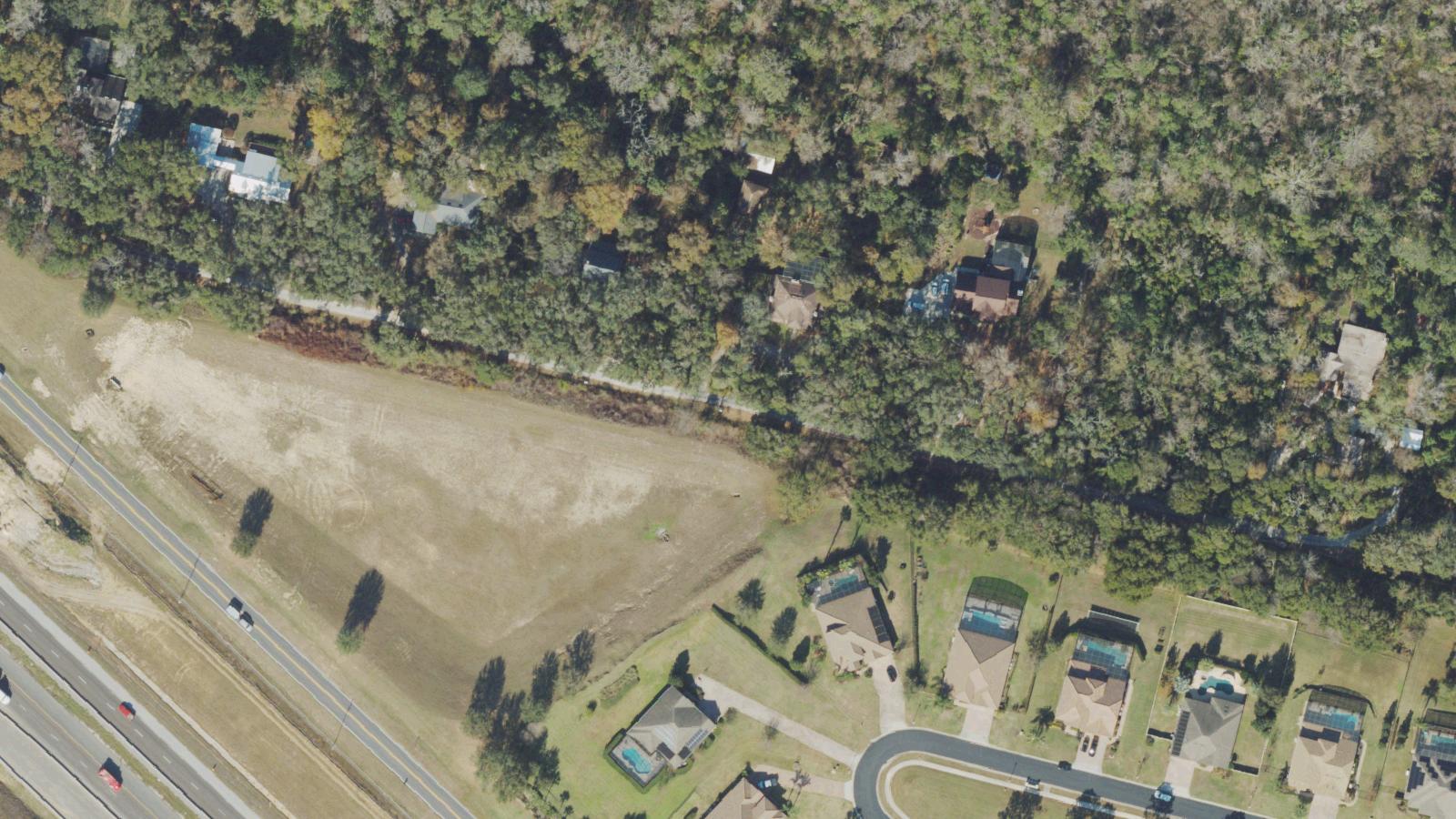
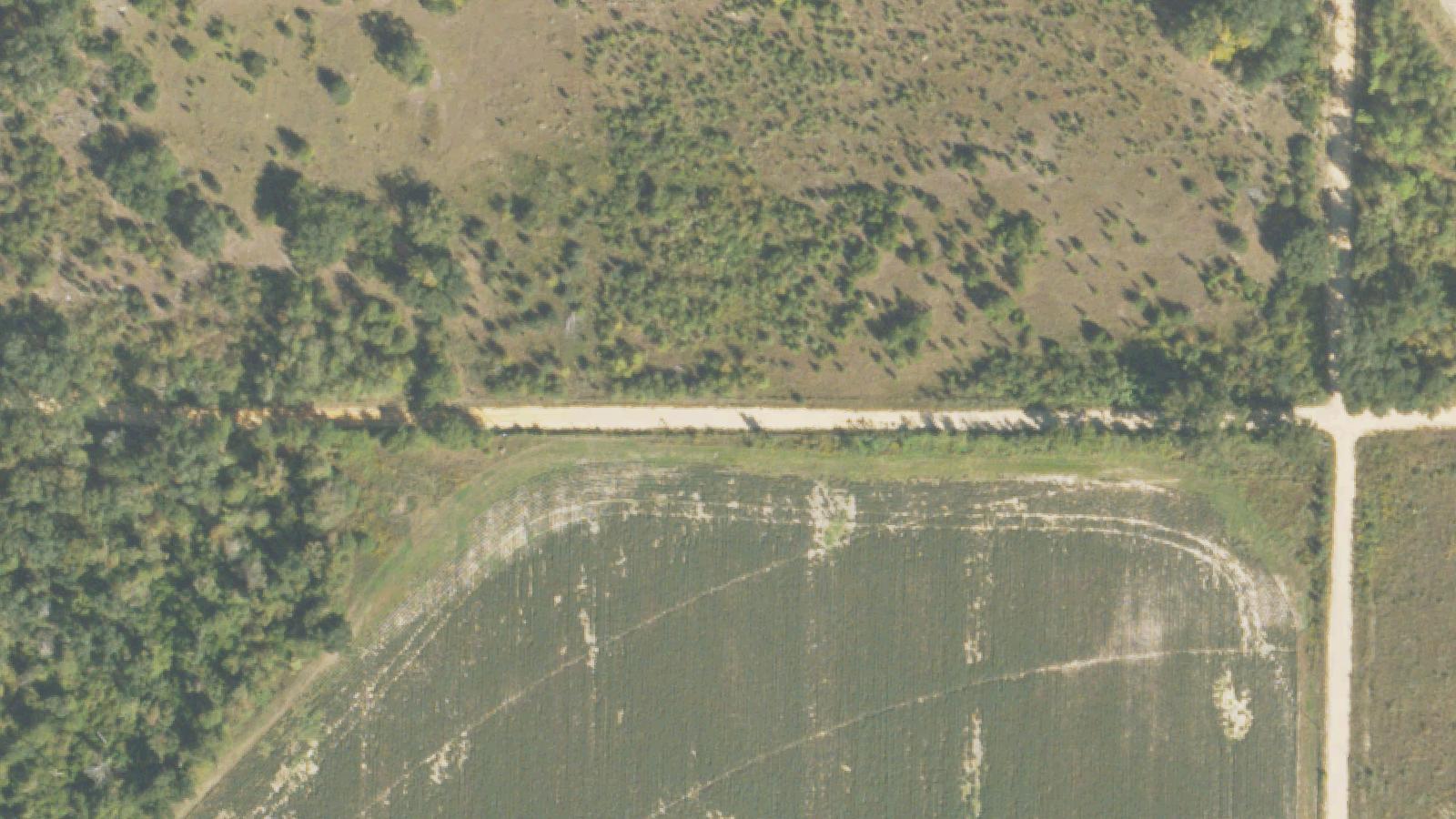
Magnolia Creek Lane runs along the western edge of Lake Apopka in Lake County, Florida, several miles from the town of Montverde. It is a narrow road, wide enough for only one vehicle at a time.
Geocaching researchers who examined the area documented that the road follows the approximate path of a former railroad bed. However, the only documented railroad in the area ran slightly north of this location. No historical evidence of a train wreck occurring anywhere near Magnolia Creek Lane was found in their investigation, and they noted that even if a derailment had occurred on the nearby line, it would almost certainly have involved freight rather than passenger cars — making the '200 deaths' figure in the legend implausible.
The Lake County and central Florida railroad history is documented through the Florida Department of State and the Florida East Coast Railway historical records. Neither source references a mass-casualty crash in this corridor.
Sources
- https://www.geocaching.com/geocache/GC37HRK
- https://en.wikipedia.org/wiki/Montverde,_Florida
- https://www.florida-backroads-travel.com/montverde-florida.html
Phantom soundsApparitionsResidual haunting
The legend of Magnolia Creek Lane is structured around a mass casualty event — a claim that 200 people died in a 19th-century train wreck, and that their collective presence generates auditory and visual phenomena in the woods along the road.
Geocaching researchers who investigated the site documented consistent reports of unusual sounds from the woods and shadowy figures reported walking the road at night. These experiential reports are the living tradition of the site; the historical claim that underlies them does not appear to be supported by any documented source.
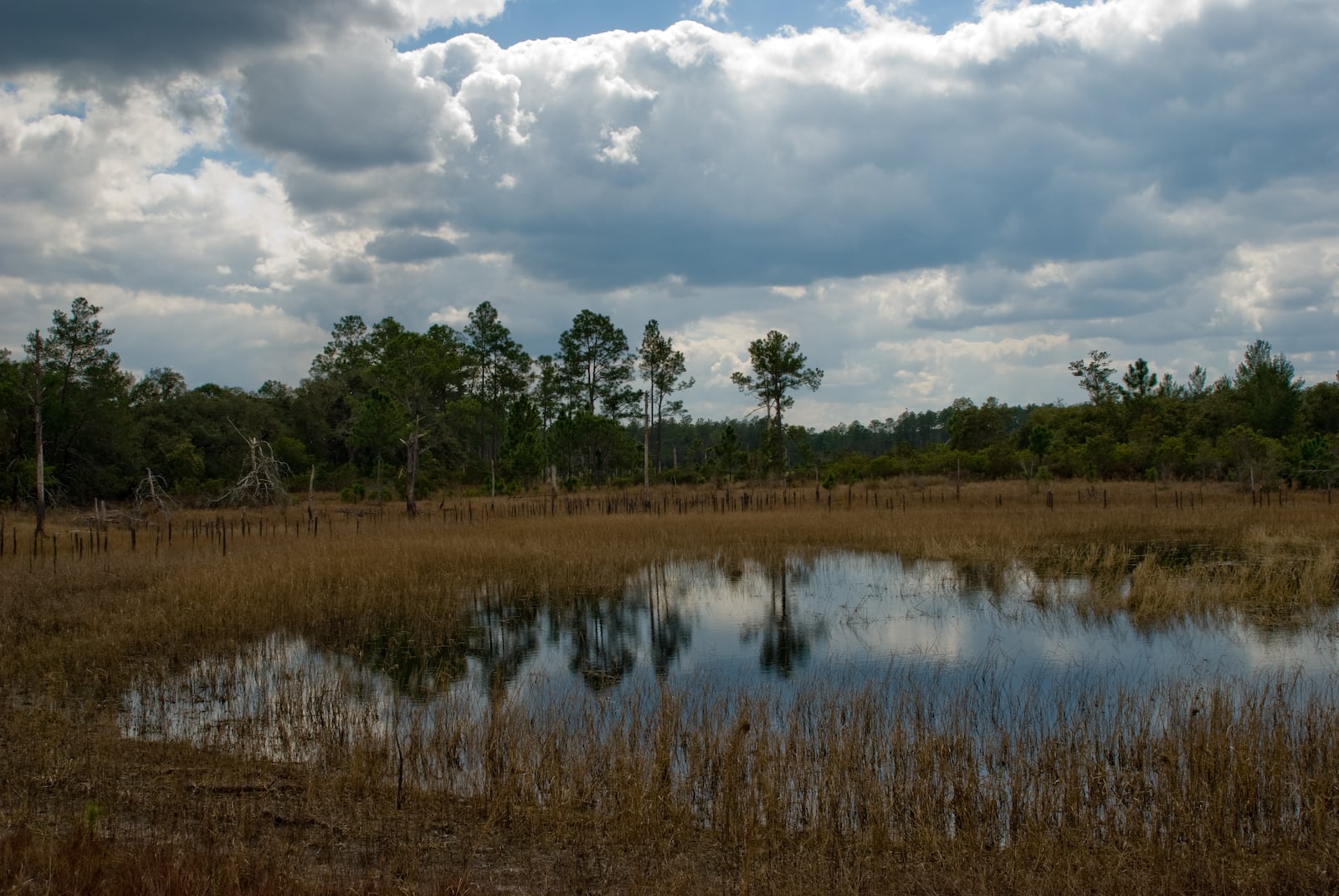
The road's railroad-bed character — straight, slightly elevated, passing through what was once cleared right-of-way — creates an atmospheric quality that supports the legend even without historical grounding. The setting along the Lake Apopka shoreline, with its characteristic Florida wetland sounds and limited artificial light, provides a sensory context for nighttime reports.