Est. 1860 · Archaic and Woodland-period shell middens (5,000-year occupation) · Webb's Winter Resort — pioneer-era Florida boardinghouse · Bertha Palmer estate (1910-1918) · Mary Sherrill death and chapel memorial (1892)
Human occupation of the Spanish Point peninsula on Little Sarasota Bay stretches back approximately 5,000 years. The shell middens visible on the property were created by Archaic and later Woodland-period peoples who harvested shellfish from the bay over millennia. The middens serve as both archaeological record and structural element; the elevated ground they created shaped where later settlers built.
The Webb family arrived in the 1860s, establishing a homestead and eventually operating a seasonal boardinghouse for winter visitors from the North — what they called Webb's Winter Resort. John Webb and his family farmed the land and supplemented income by hosting guests seeking the Florida climate. The resort was modest by later standards: rooms in the family homestead, meals, and access to the bay.
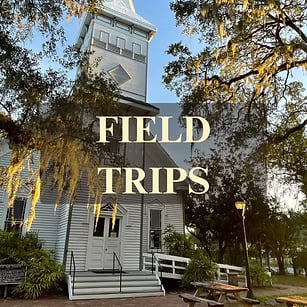
In 1892, a young woman named Mary Sherrill arrived at the resort from North Carolina, seeking relief from tuberculosis in the warm Florida air. She died at the property five weeks after arriving. The Webb family, and later Bertha Palmer, memorialized her in a small chapel on the grounds. The original chapel was replaced and reconstructed in 1986 using salvaged stained-glass windows; it seats 40 and remains one of the site's most-visited structures.
In 1910, Bertha Honoré Palmer — widow of Chicago hotelier and real estate developer Potter Palmer, and a prominent figure in Chicago society and the 1893 World's Columbian Exposition — purchased the Spanish Point property. She developed it into a 350-acre estate called Osprey Point, preserving the pioneer buildings and connecting them with formal gardens including a sunken garden completed between 1912 and 1915. Palmer died on the property in May 1918 of breast cancer, at age 68.
The site passed through several owners after Palmer's death before becoming the Historic Spanish Point museum in 1982. It is now managed by the Marie Selby Botanical Gardens and encompasses 30 acres.
Sources
- https://en.wikipedia.org/wiki/Historic_Spanish_Point
- https://selby.org/hsp/visit-historic-spanish-point/
- https://www.visitsarasota.com/blog/spooky-spots-ghost-stories-and-haunted-sites-historic-sarasota
Mary Sherrill apparition in and near Mary's ChapelBertha Palmer figure observed in formal garden paths
Historic Spanish Point's paranormal reputation draws on the layered deaths embedded in the site: Indigenous peoples across thousands of years in the middens, Mary Sherrill in the pioneer-resort period, and Bertha Palmer in the estate era.
Mary Sherrill's presence is specifically attached to the chapel that bears her name. She arrived from North Carolina in 1892 as a tuberculosis patient — the standard Victorian practice of seeking warm, dry air as treatment — and died five weeks after arriving, never returning home. Visit Sarasota's documentation notes that she is described as haunting the chapel and its small adjoining cemetery, where the pioneerera dead are also buried. No specific phenomena are documented; the account is atmospheric rather than evidential.
Bertha Palmer's reported presence in the gardens has a different character. She spent years designing the formal gardens at Osprey Point, creating the sunken garden and the connections between pioneer structures and ornamental plantings. She died on the property in 1918. Staff and visitors have described what they identify as her figure moving through the garden paths she designed — the apparition described as purposeful rather than aimless, consistent with someone checking on work they cared about.
The site's prehistoric layers — the shell middens, the burial mounds documented in archaeological surveys — are referenced in general accounts of the property's spiritual weight, though no specific phenomena are attributed to the Indigenous occupation period.
Notable Entities
Mary Sherrill (died 1892)Bertha Honoré Palmer (died May 1918)
Where this legend is told