Est. 1850 · Manatee County's Oldest Cemetery (1850) · 135+ Unmarked Graves Detected by GPR (2019) · Civil War Era Burials — Both Union and Confederate · 1887 Church — First Christian Congregation South of Tampa · Yellow Fever Epidemic — 1887
The first documented burial in what became the 1850 Manatee Burying Ground took place in July 1850, at a site near the banks of the Manatee River. The 1.92-acre cemetery served the earliest permanent settler community on Florida's Gulf Coast south of Tampa. It was formally closed in 1892 but retains the right of burial for immediate family members of those already interred. The last burial on record occurred in 1967.
A 4-H group recorded 94 marked graves during a 1976 survey. By the time of a subsequent assessment, roughly one-third of those 1976 markers had been lost. In 2019, the Manatee Village Historical Park commissioned a ground-penetrating radar survey to map what lay below the surface. The radar identified up to 135 additional burial features in areas that showed no surviving markers — probable graves, possible burial vaults, and path or walkway features mixed among them. The full survey results have been used to develop a digital mapping project for the cemetery.
Burials include Josiah and Mary Gates, identified as Bradenton's founding pioneer settlers; 14 Civil War soldiers from both the Union and Confederate armies; three members of the Florida Secession Convention of 1861, including Convention President John C. Pelot and General John Riggin; and 11 Confederate soldiers.
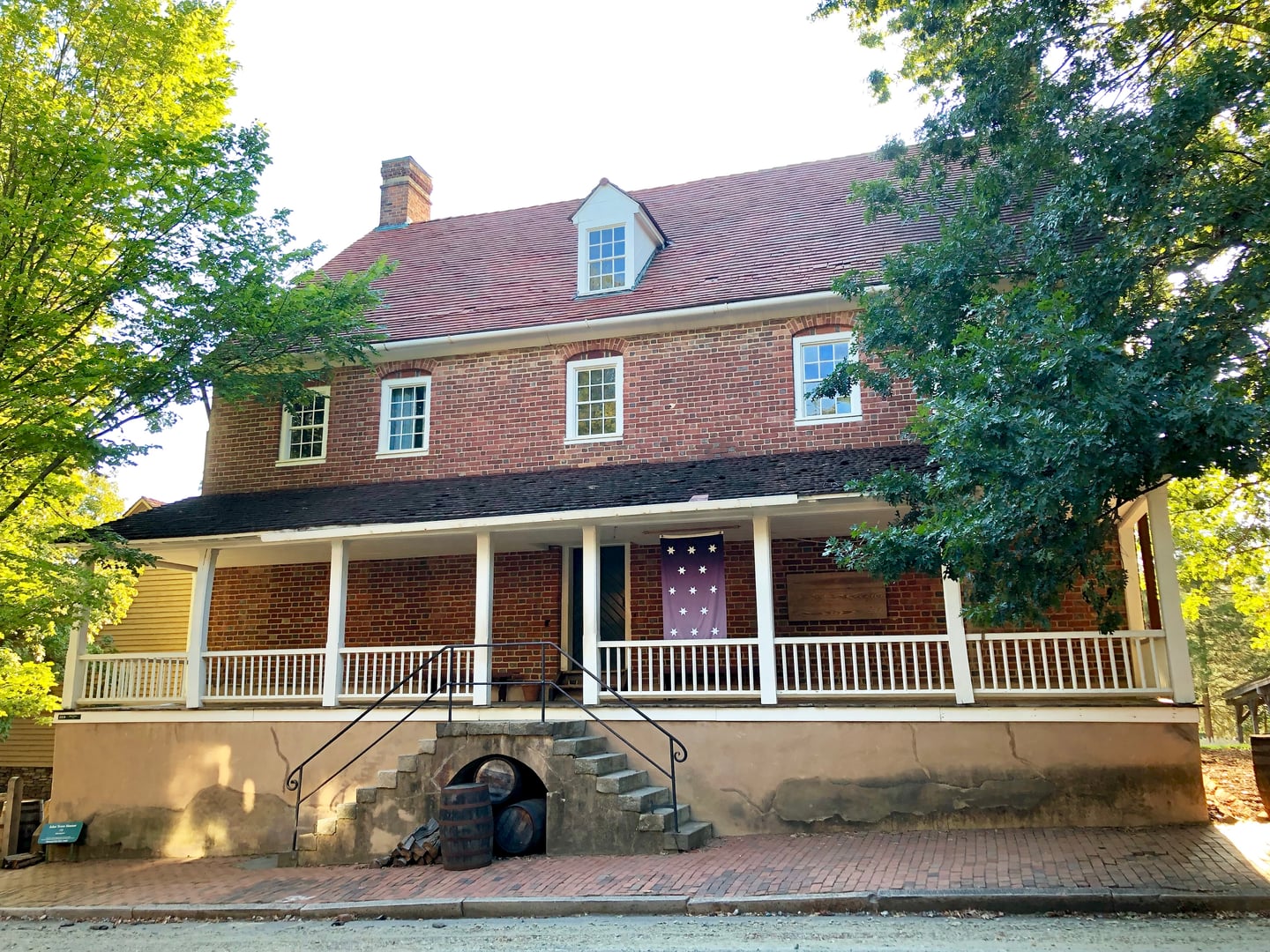
The 1887 Methodist church at the park was intended to house the first Christian congregation south of Tampa on the Florida mainland. Construction began in 1887 and stalled when a yellow fever epidemic moved through the settlement, killing the pastor and enough congregation members that work could not continue. The church was completed in 1889. It served as a place of worship for 85 years before the Manatee United Methodist Church donated the building; it was moved 2.5 blocks to its current location at the park in 1975 as a U.S. Bicentennial preservation project.
Sources
- https://www.manateevillage.org/1850manateeburyingground
- https://en.wikipedia.org/wiki/Manatee_Village_Historical_Park
- https://www.mysuncoast.com/2019/03/08/radar-being-used-uncover-number-graves-manatee-burying-grounds/
- https://www.manateevillage.org/post/1887-church
White streaks and anomalies in photographsCold breezes in still airTouch of invisible hand
The paranormal reports at the 1850 Manatee Burying Ground are visitor-generated and low-key: this is not a site that has been marketed aggressively as haunted. The accounts come primarily from people who have taken the self-guided tour and lingered in the cemetery.
Photographic anomalies are the most frequently cited phenomenon — white streaks, sometimes described as orbs or light trails, appearing in images taken inside the gate regardless of lighting conditions. Visitors describe these as concentrated in the older sections of the cemetery, near the areas where the 2019 GPR survey identified the densest clusters of unmarked burial features.
Direct physical sensations — a cold breeze when the air is still, the brief feeling of a hand on an arm or shoulder — appear in visitor accounts and in the independent documentation collected by researchers visiting the site. The sensations are not violent or threatening in any of the accounts reviewed, and the cemetery's general atmosphere is described as peaceful rather than oppressive.
The October theatrical tour, Spirit Voices from Old Manatee, uses actors portraying actual historical figures buried in the cemetery. The 1850 pioneer settlement context — yellow fever epidemics, Civil War division, the extreme vulnerability of an early agricultural community — gives the site's history enough weight that the theatrical layer does not need to invent drama. The church's construction stalled by epidemic death, then completed by survivors, sits directly adjacent to the burial ground.