Est. 1875 · One of the Oldest Cemeteries in the Fort Myers Area · Platted by W. E. Loper in 1888 · Burials of Fort Myers and Lee County Pioneers
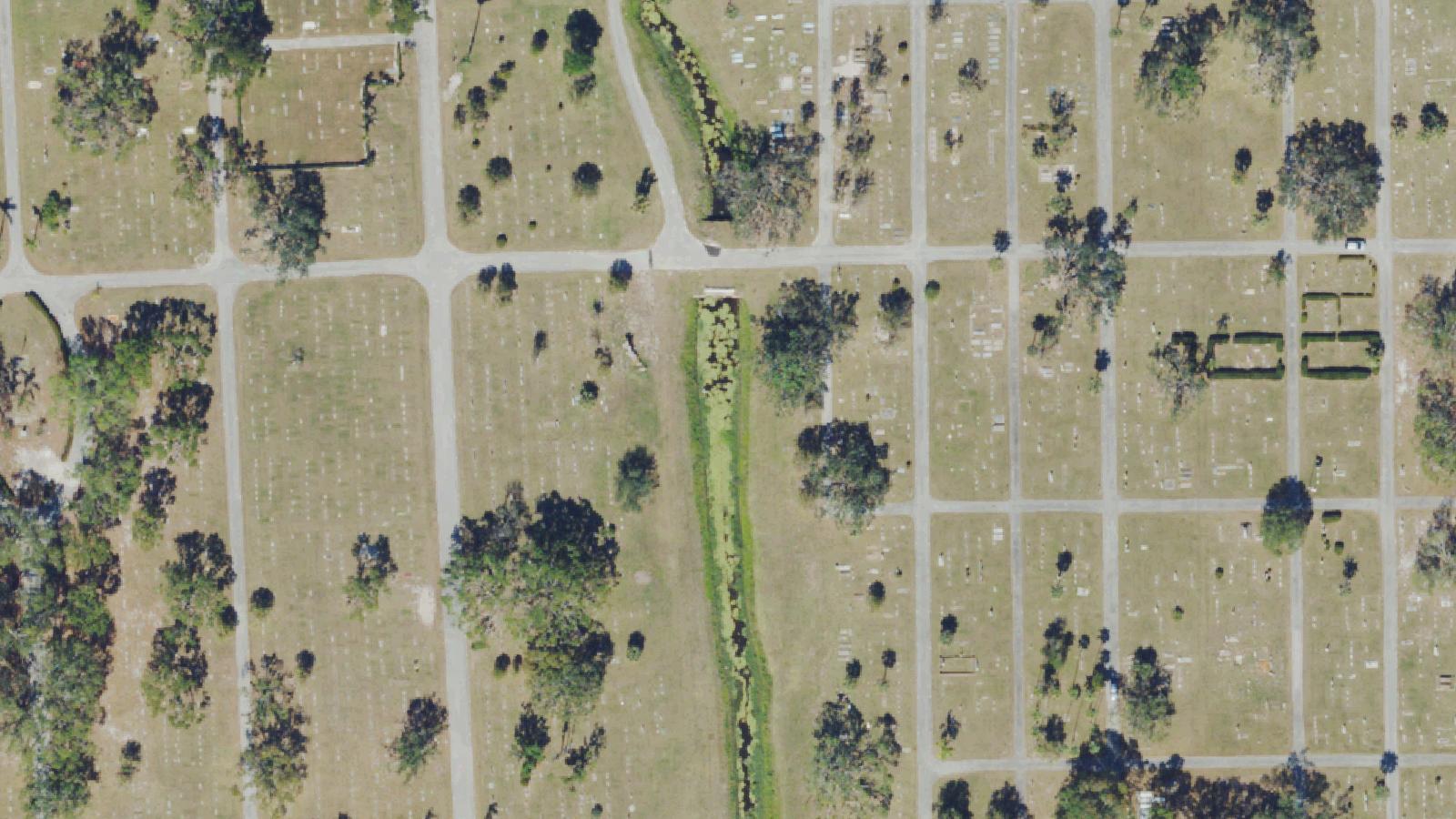
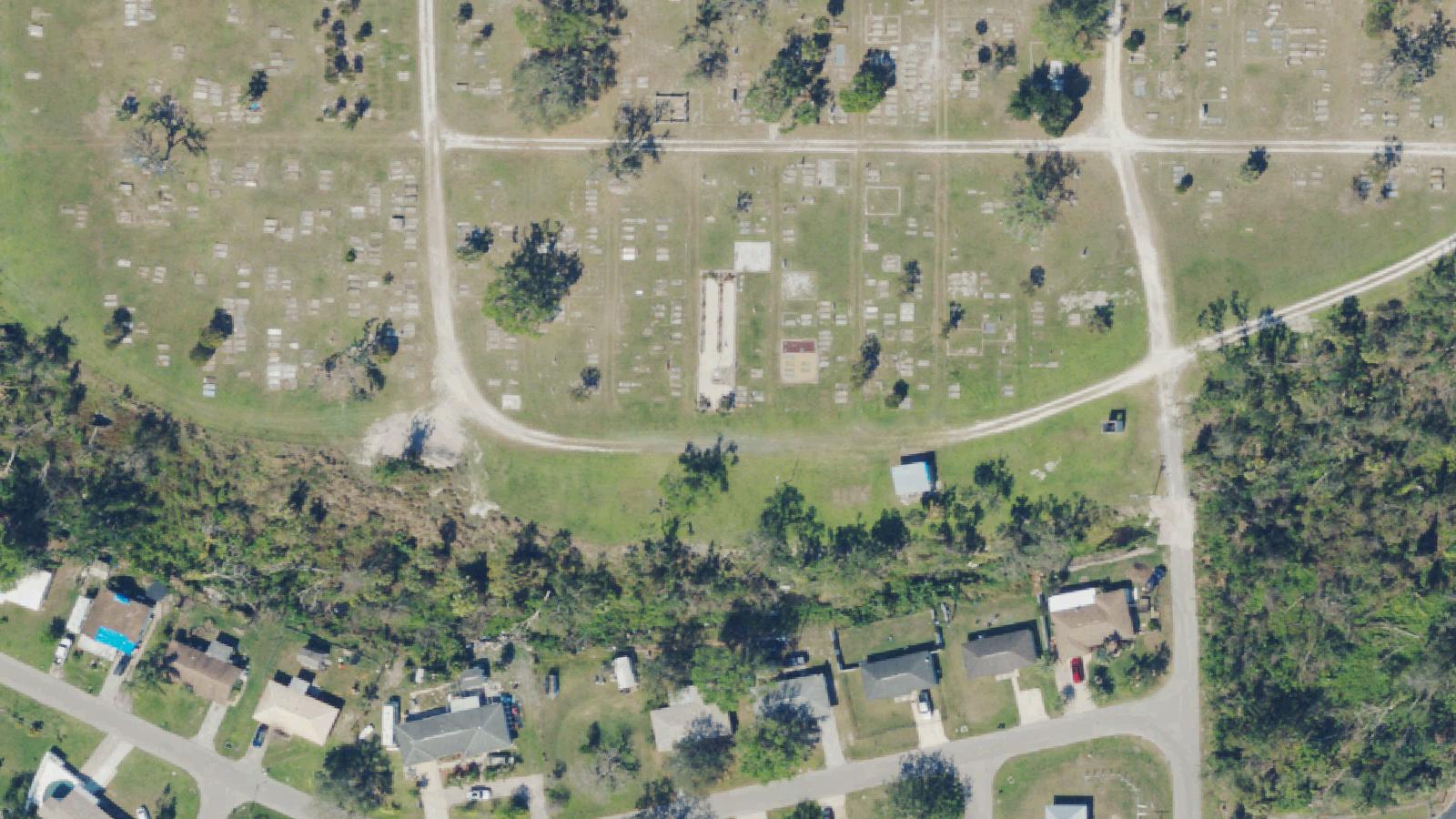
The cemetery on Michigan Avenue is the burial ground of pioneer Fort Myers. Records place its origins in the 1870s, when the settlement that grew up around the abandoned military post was a few hundred people on the Caloosahatchee. The ground was surveyed and platted by W. E. Loper on September 25, 1888, and was originally held in private hands before passing to the City of Fort Myers.
As the oldest of the city's cemeteries, it became the resting place for early settlers, merchants, and county officials from the decades when Lee County was carved out of Monroe in 1887 and Fort Myers incorporated as its seat. Walking the older sections is effectively reading the early roster of the town, with weathered markers dating to the nineteenth and early twentieth centuries.
The cemetery remains active and is maintained by the City of Fort Myers. Its long history and its place in the early town's story are the reasons it appears in downtown haunted-history tour narration, which uses the documented age of the ground rather than any single tragic event as the hook for its reputation.
Sources
- https://www.thecommontraveler.net/haunted-fort-myers-florida/
- https://www.fortmyers.gov/Directory.aspx?did=18
Orbs in photographsShadow figures among headstonesUnexplained sounds
The cemetery's ghost stories are the kind that attach to any very old burial ground. Visitors describe orbs turning up in photographs taken among the markers, shapes that appear to move between the headstones at the edge of sight, and sounds in the quiet older sections that they cannot place. None of it is tied to a specific named death or documented tragedy; the draw is the simple fact that this is the oldest ground in town.
Downtown Fort Myers ghost tours fold the cemetery into their route as a history stop, using its 1870s origins and pioneer burials to set the tone. Because it is an active municipal cemetery rather than a tour-operated site, the accounts are reported by daytime visitors and tour groups rather than collected on overnight investigations.
The reports stay at the low-key end of the spectrum: photo anomalies, peripheral movement, and a general sense of being watched among the older graves. Visitors are asked to treat the grounds with the respect owed an active cemetery and to keep their visits to daylight hours.
Where this legend is told