Est. 1876 · Apalachicola Arsenal (1830s) · First Civil War engagement in Florida (1861) · Florida's only state psychiatric hospital until 1947 · O'Connor v. Donaldson (1975) — landmark involuntary commitment case
The site along the Apalachee River in Gadsden County has been in continuous institutional use for nearly 200 years. The federal government built the Apalachicola Arsenal here in the 1830s to store firearms and military materiel for the region. When Confederate forces seized the facility on January 6, 1861 — what historians identify as the first Civil War engagement in Florida — the arsenal held significant supplies that bolstered the Confederate war effort.
After the war, the state of Florida acquired the property and in 1876 converted it to Florida State Hospital for the Insane, later shortened to Florida State Hospital. For 71 years it was the only public psychiatric facility in the state. By mid-century the hospital held thousands of patients in conditions documenting severe overcrowding. Treatment methods included electroconvulsive therapy, insulin shock therapy, and lobotomies — procedures standard at many state institutions of the era but later regarded as harmful. Patient labor on hospital farms was framed as therapeutic.
The facility generated two notable federal cases. Ruby McCollum, committed in 1954 after a widely publicized trial, was held until 1974. In O'Connor v. Donaldson (1975), the U.S. Supreme Court ruled unanimously that Kenneth Donaldson, held at Florida State Hospital for 15 years without treatment and without posing a danger to himself or others, had been confined illegally. The decision reshaped standards for involuntary psychiatric commitment across the country. A later case, Ford v. Wainwright (1986), established that the Eighth Amendment bars executing a prisoner who is insane, after a death-row inmate held at the hospital challenged his competency evaluation.
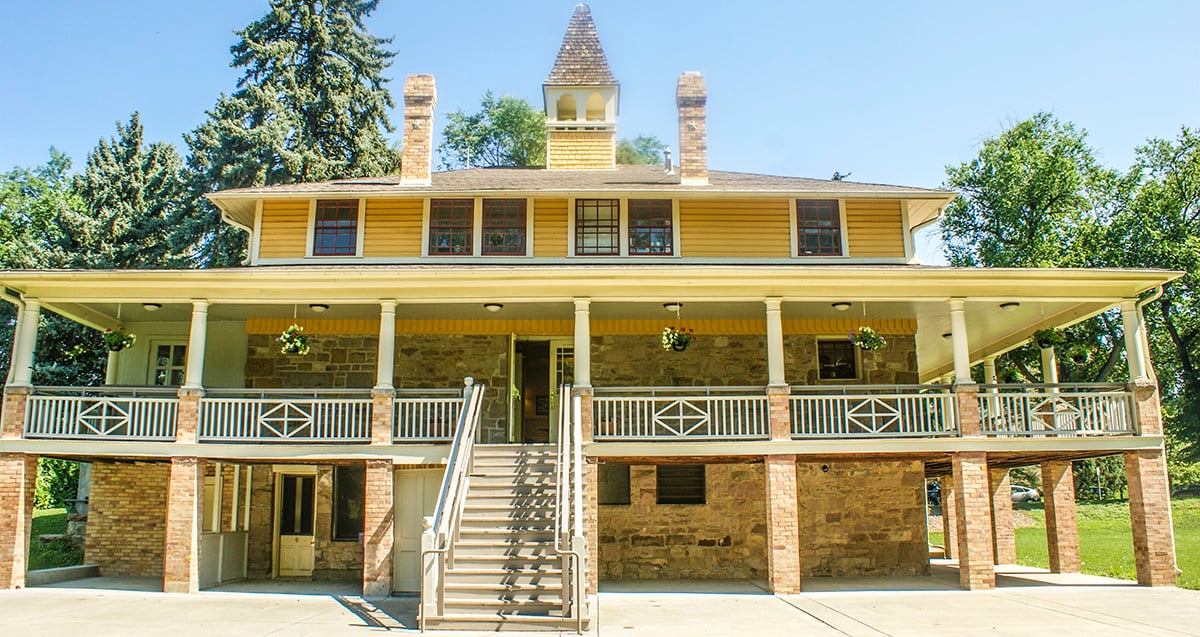
The hospital's original administration building and arsenal-era structures remain on the National Register of Historic Places. The campus currently operates with a capacity of over 1,000 patients in civil and forensic units, making it one of the largest publicly funded psychiatric hospitals in the South.
Sources
- https://en.wikipedia.org/wiki/Florida_State_Hospital
- https://travelmadepersonal.com/florida-state-mental-hospital/
- https://en.wikipedia.org/wiki/U.S._Arsenal-Officers_Quarters
Flickering lights in unoccupied wingsEchoing footsteps in empty corridors
Florida State Hospital has accumulated a folkloric reputation proportional to its history: over a century of patients, contested treatments, and documented suffering concentrated on a single campus. Night-staff accounts, collected by regional travel writers, describe lights flickering in rooms with no assigned patients and footsteps audible in empty corridors during overnight shifts.
No verified paranormal investigation has gained access to the active facility. The ghostly reputation appears to be organic — produced by the campus's scale, age, and well-documented history rather than by organized dark tourism. The old arsenal buildings, some dating to the 1830s, contribute to the atmosphere: thick masonry, long hallways, and the irregular settling sounds common to structures of that era.
The hospital's connection to documented abuse — overcrowding, forced procedures, the Donaldson case — gives the folk haunting a grounding that distinguishes it from invented legends. Staff reports circulate informally, passed between shifts rather than published, which is consistent with an active facility where management has no incentive to publicize them.
Media Appearances
- Chattahoochee (film, 1989)