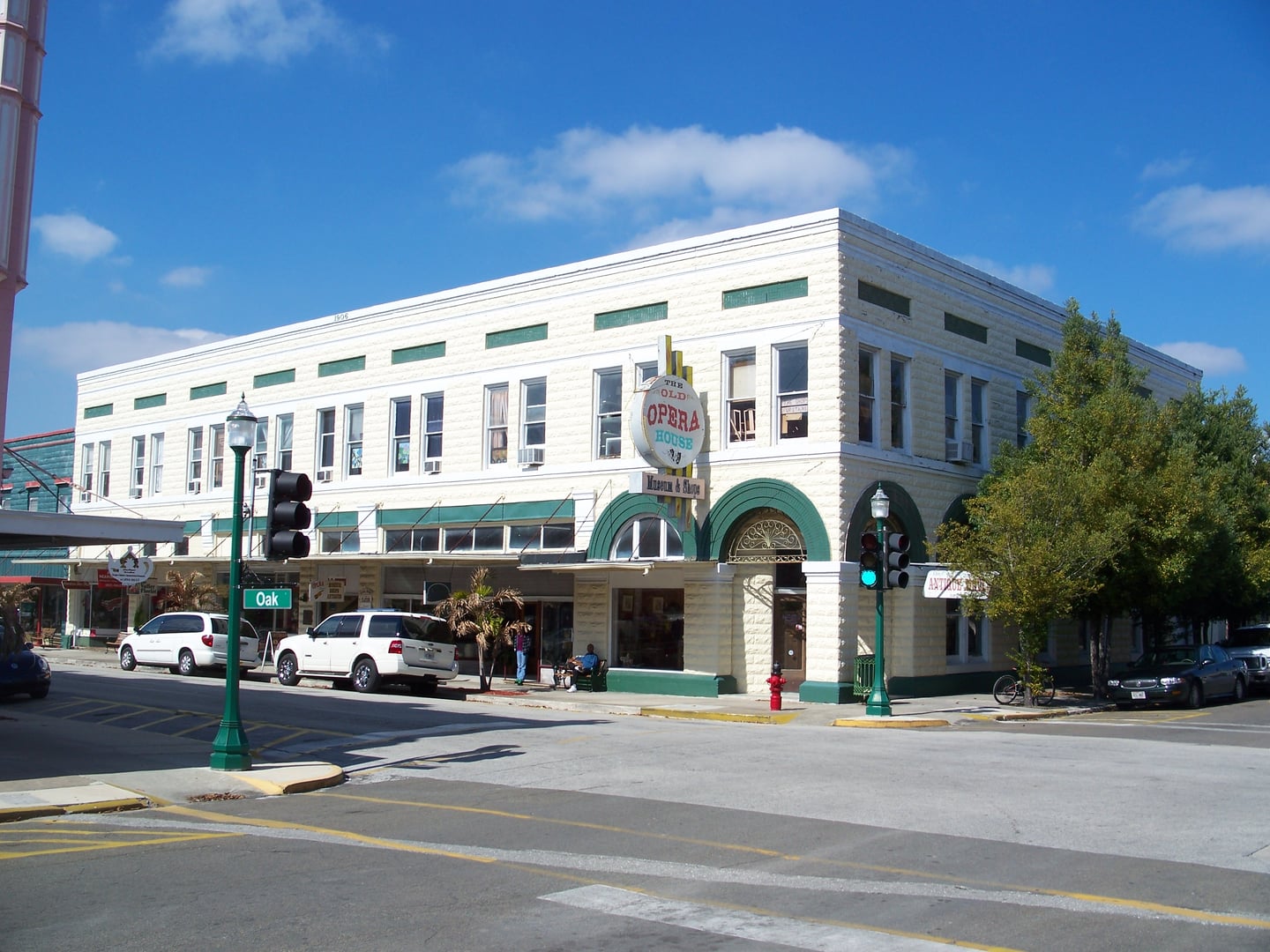
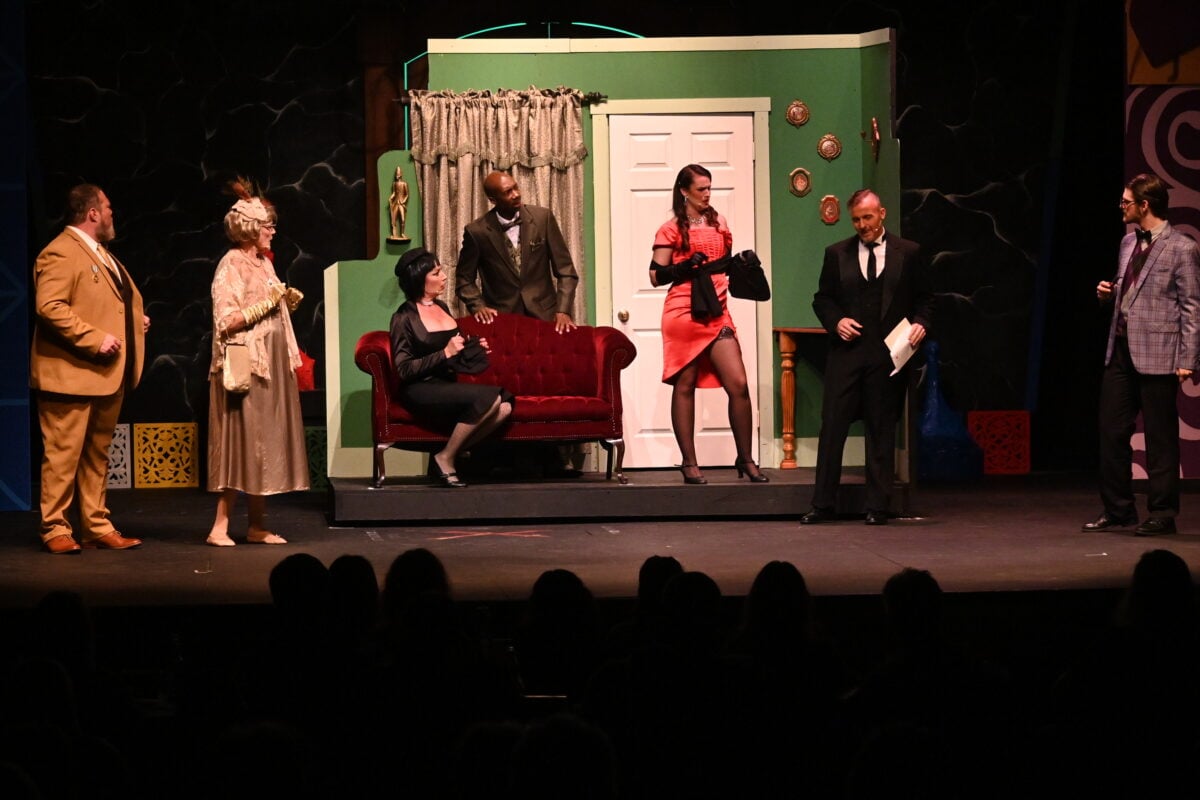
Est. 1921 · Former Execution Ground · Orlando Historic Landmark · Early 20th Century Theater Architecture
The property at 46 N Orange Avenue served as the Orange County Jail from approximately 1873, functioning as the county's central facility for detaining and executing condemned prisoners. Public hangings took place on the grounds, making the site Orange County's primary execution location for nearly five decades.
In 1919, theater developer Braxton Beacham Sr. purchased the property and demolished the jail. The theater he built for $200,000 opened in 1921. The venue was designed to anchor the commercial strip along Orange Avenue and became a central gathering place for Orlando entertainment through the mid-twentieth century. Over subsequent decades the building underwent significant alteration: Art Deco renovations in 1936, CinemaScope installation in 1954, Cinerama conversion in 1964, and conversion to a music venue in 1976. The City of Orlando designated the Beacham a historic landmark in 1987.
After years of varying use including several nightclub configurations, the venue reopened as The Beacham in 2011, partnered with the adjacent venue The Social. It currently operates as one of Orlando's primary mid-sized concert venues for national and international touring artists. As of 2026, the venue is seeking city approval to restore the Orange Avenue facade to a midcentury aesthetic consistent with its 1921 origins.
Sources
- https://en.wikipedia.org/wiki/Beacham_Theatre
- https://orlandomemory.org/places/the-beacham-theatre-the-early-years/
- https://theclio.com/entry/25618
- https://bungalower.com/2026/04/03/historic-beacham-theatre-seeks-city-approval-for-retro-facade-update-in-downtown-orlando/
Phantom organ musicApparition (elderly woman on stage)Unexplained presences during renovationPhysical anomalies (nooses in walls)
The paranormal lore at the Beacham begins with a physical discovery: during renovation work, nooses were reportedly found hidden within the walls of the building. Whether structural remnants from the jail era or something placed during the theater's construction, the discovery passed into oral history among Orlando ghost tour guides and local historians.
The most frequently reported phenomenon is a pipe organ playing without a player. The theater installed an Austin Organ Company instrument after opening, and stories circulated that the installation took an unusual length of time due to what workers described as interference — men in antiquated clothing were reported near the site, and the work stalled repeatedly. After installation, the organ has been reported to play on its own, the sound carrying through the building with no one seated at the keys.
A second recurring report involves a shadowy older woman observed on the stage. Accounts describe her as elderly and indistinct, appearing in the stage area and then gone. Paranormal investigators and ghost tour guides who include the Beacham on Orlando's haunted circuit connect these reports to the execution history of the property beneath the building, though no specific individual has been identified as the source of either the music or the apparition.