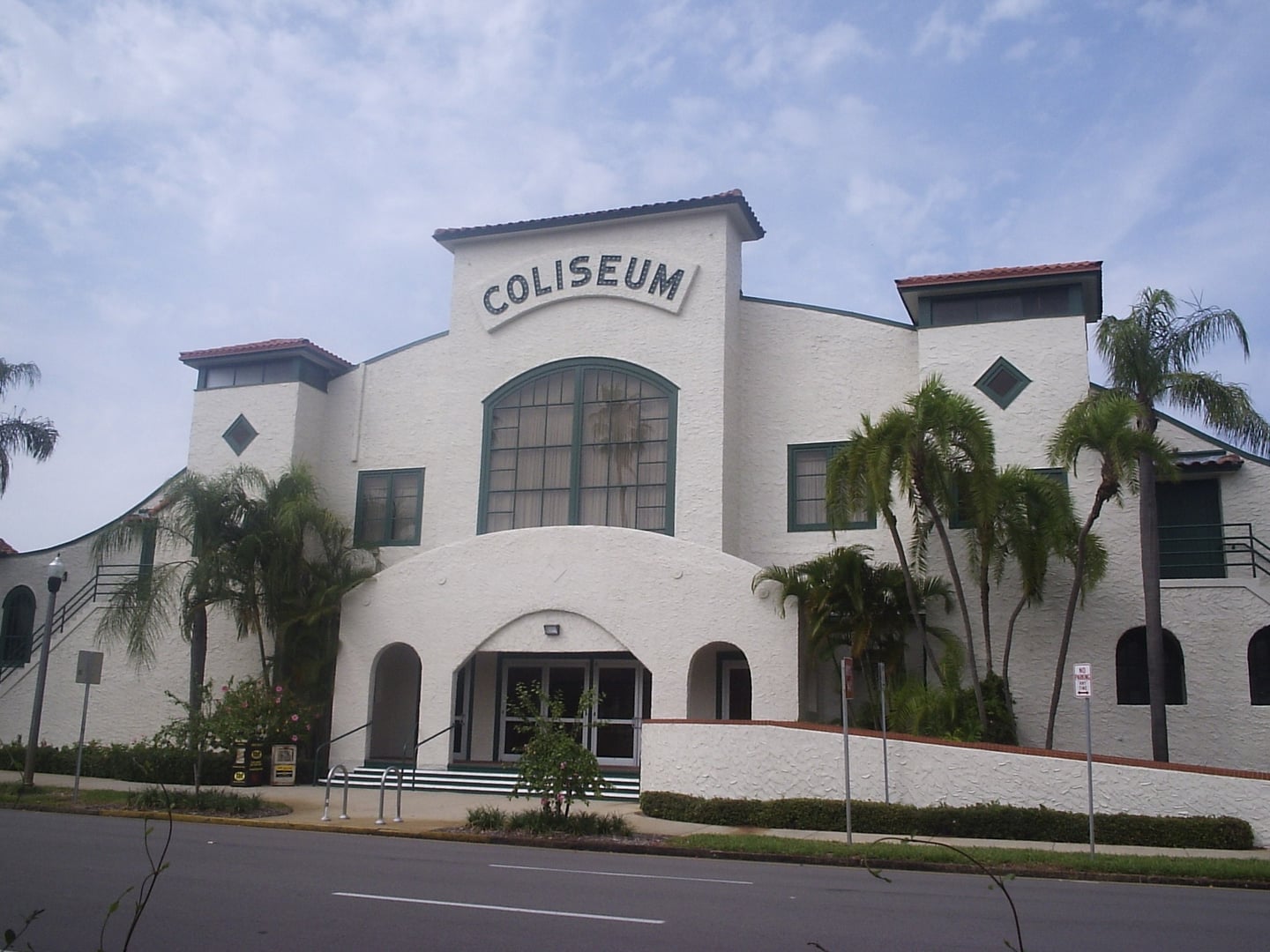
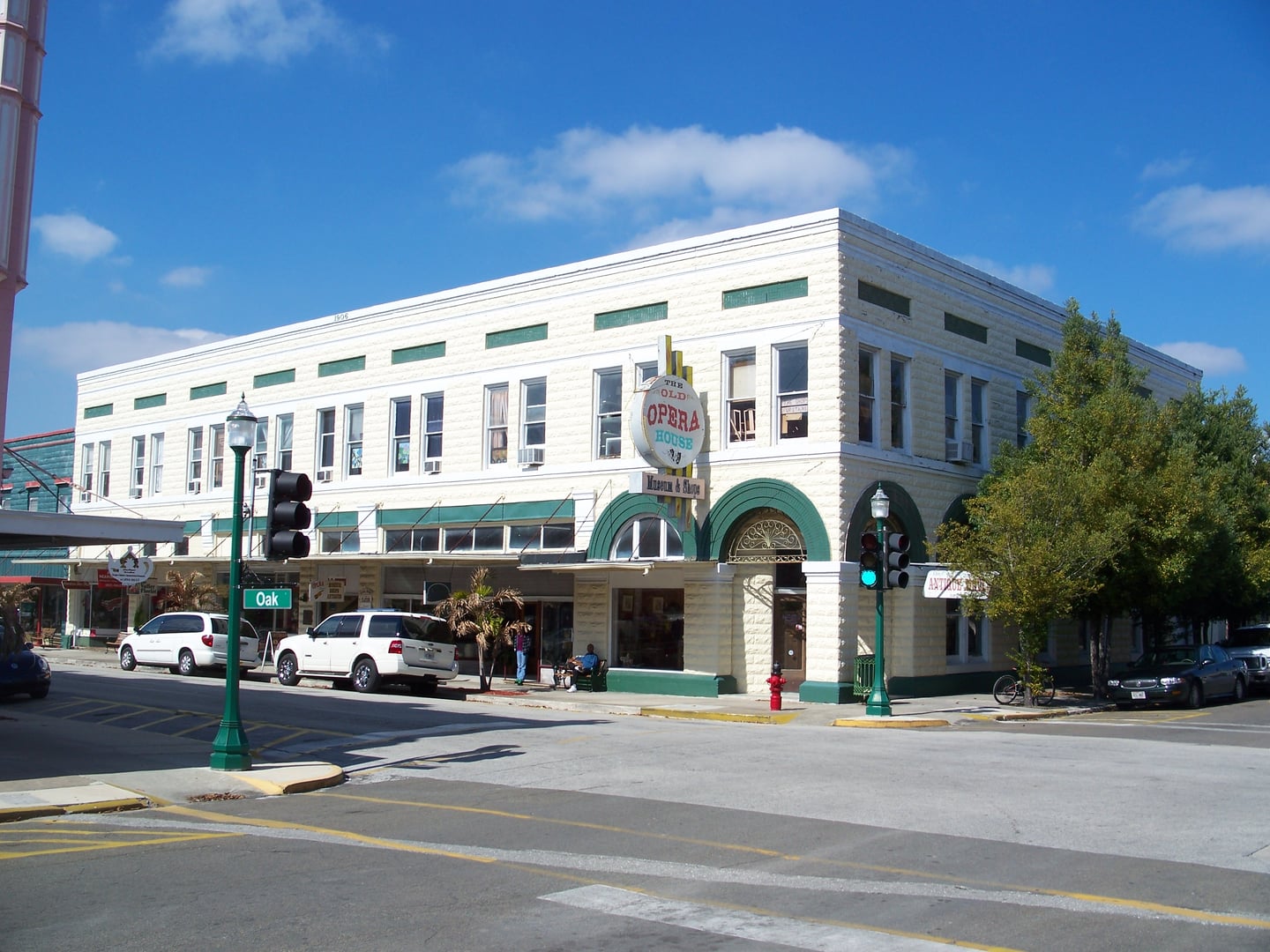
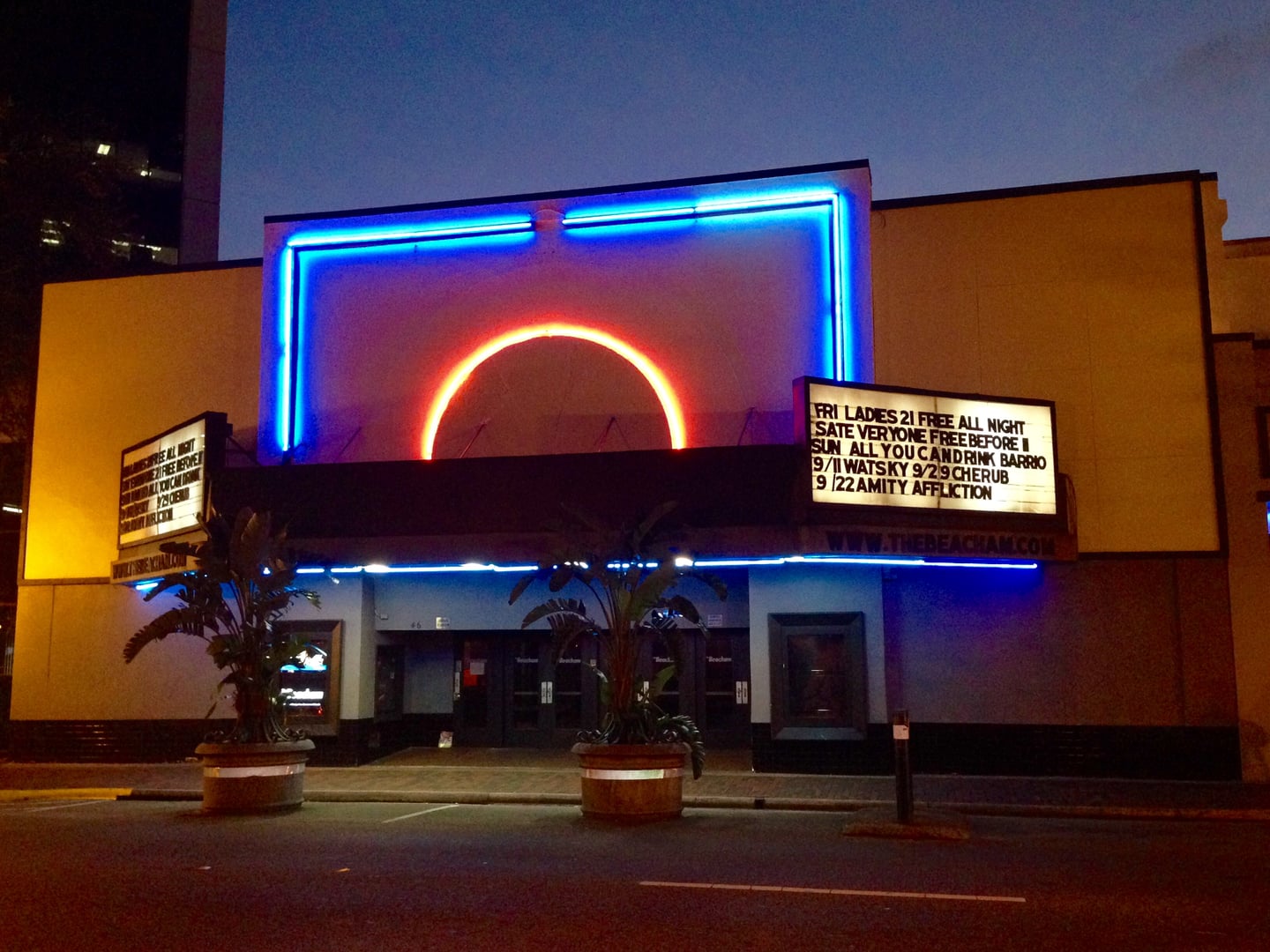
Est. 1921 · Best Natural Acoustics in Southeast (1920s reputation) · Mediterranean Revival Historic Architecture · Bill Neville Murder — 1980 · $11 Million City-Funded Restoration — 2013
Senator John Stansel Taylor commissioned the Capitol Theatre in 1920, with groundbreaking on December 6 of that year. Architect Lester Avery designed a Mediterranean Revival structure that contractors John and Ivan Phillipoff completed at a final cost of $160,000. The theater opened March 21, 1921, with a screening of the film Dinty. A Robert Morton Wicks pipe organ was installed in 1922. The building was said to have the best natural acoustics in the southeastern United States.
The Capitol operated as a film house and vaudeville venue through the 1930s before shifting toward a primarily film-focused schedule. By the late 1970s, downtown Clearwater's fortunes had declined, and the theater with them. Bill Neville and Jerry Strain leased the building in 1979, forming the Sunshine State Theater Company to attempt a revival. The theater briefly reopened in January 1980 but closed again by October 28, 1980.
During the subsequent renovation attempt, Neville was robbed and beaten to death by two men in the theater's balcony. His body was discovered in the balcony during the next phase of work; the Wikipedia article on the theater specifies that the Royalty Theater Company found him during their renovation. The theater reopened in December 1981 under the Royalty Theatre name with a production of Oliver! The building passed through subsequent ownerships, including religious use, before the City of Clearwater acquired it in 2008 and awarded it Historic Designation. An $11 million restoration completed in 2013 returned the theater to performance use; it reopened in 2014 under Ruth Eckerd Hall management. In March 2019, a $2.5 million gift from Nancy and David Bilheimer led to the current name.
The Florida Trust for Historic Preservation has documented the theater's haunted reputation as part of its Haunted Florida series.
Sources
- https://en.wikipedia.org/wiki/Capitol_Theatre_(Clearwater,_Florida)
- https://floridatrust.org/haunted-florida-bilheimer-capitol-theatre/
- https://www.cltampa.com/arts/the-ghost-files-youtube-show-is-coming-to-clearwaters-haunted-capitol-theatre-just-before-halloween-15737762
- https://www.rutheckerdhall.com/plan-your-visit/the-nancy-and-david-bilheimer-capitol-theatre
- https://www.spookysisterhood.com/blog/vaudeville-jesus-and-the-captain
- https://familydestinationsguide.com/haunted-capitol-theater-florida/
- https://grokipedia.com/page/capitol_theatre_clearwater_florida
Full-body apparitions (three distinct figures)Unexplained chandelier movementPhantom laughterCold spotsTouching and physical contactOrbs in photographs
The Bilheimer Capitol Theatre's ghost lore centers on three figures documented consistently across multiple independent sources.
The most unusual is an old sea captain — a figure with no obvious documented connection to the theater's history. He is described as mischievous rather than threatening: moving objects, touching patrons and staff, and making his presence felt through cold spots and unexplained sounds. His origin in the theater's paranormal tradition is not explained by the building's documentary record, which predates no maritime use.
The young girl is typically described as playful — her presence announced by laughter and by the sense of a child running through spaces where no child is present. She reportedly favors the lobby and lower-level areas. Staff account for her appearance in photographs as orbs of light in areas where children have been heard.
Bill Neville is the figure with the clearest documentary anchor. Found beaten to death in the balcony during renovation work in 1980, he is described in staff accounts as a theater lover whose attachment to the building outlasted his murder. The most specific claim attributed to his presence is that an apparition — identified by a witness as Neville — appeared to a construction worker during the 2012–2013 restoration and was credited by the worker with preventing a serious fall. This account appears in Florida Trust documentation and has not been independently verified.
The building's chandelier has been repeatedly reported swinging without explanation. Paranormal investigators and the Ghost Files YouTube show have both conducted documented investigations at the theater.
Notable Entities
Bill Neville (theater manager, murdered 1980)Unnamed sea captain apparitionUnnamed young girl apparition
Media Appearances
- Ghost Files Live (YouTube / Live Event, 2023)
- Walking with Ghosts (Amy Bruni) (Live Tour Event, 2023)