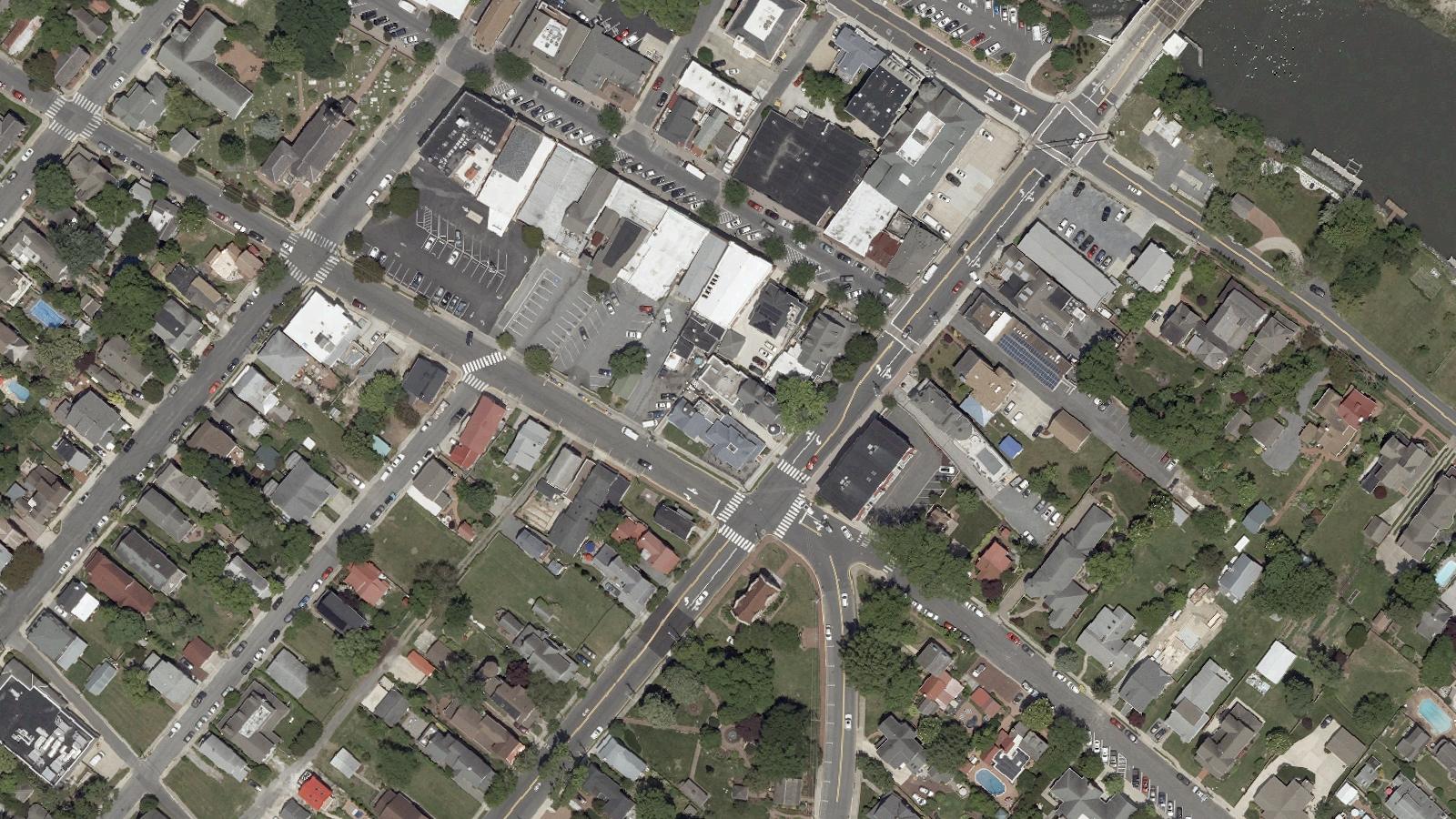
Lewes / Zwaanendael colonial context · Indigenous and Dutch artifact recovery
Lewes is the oldest European settlement in Delaware. Dutch settlers arrived in 1631 and established Zwaanendael, a small whaling and trading colony on the Delaware Bay. In 1632 the colony was destroyed and its 32 settlers killed by the Siconese; historical accounts trace the conflict to a dispute over a tin coat-of-arms removed by a tribal member. Pierre and Hendrick Wiltsee are sometimes named as survivors in popular retellings, though primary documentation is limited.
The massacre site itself is marked today by the De Vries Monument and a granite memorial near Pilottown Road, not at Bay Oaks. Locals familiar with Lewes history note that no documented massacre occurred at the Bay Oaks parcel specifically, although the broader area around Lewes has yielded Dutch ceramics and Indigenous artifacts during excavation and construction.
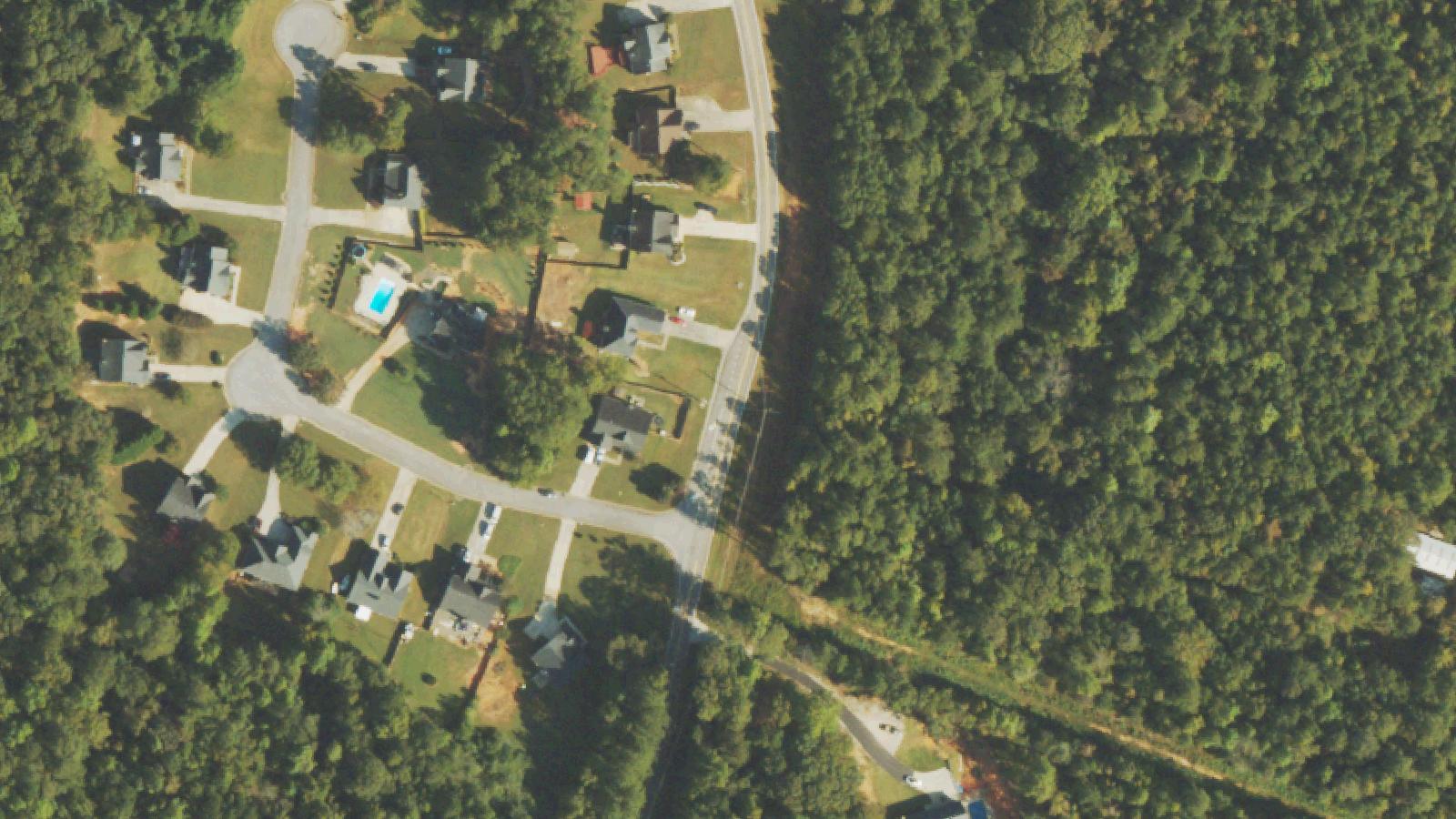
Bay Oaks itself was developed in the late 20th and early 21st centuries as a residential subdivision off Waterview Road. Homeowners have reported finding pottery fragments and arrowheads on their lots, consistent with the broader archaeological context of the Lewes area.
Sources
- https://en.wikipedia.org/wiki/Zwaanendael_Colony
- https://www.hmdb.org/m.asp?m=290179
- https://www.lewes.com/town-history.html
OrbsCold spotsTouching/pushingObject movement
The Shadowlands entry for Bay Oaks describes residents reporting orbs, globes of light, cold spots unconnected to vents or windows, the sensation of being watched, and the recurring disappearance and reappearance of books on local hauntings. One teenage resident reported waking with the sensation of a hand around their neck and seeing it withdraw.
The entry attributes this activity to a massacre between Indigenous people and Dutch settlers, a claim referenced in regional haunted-place listings. Local historians familiar with Lewes note that the actual Zwaanendael massacre site is marked separately by the De Vries Monument and that no documented massacre occurred at the Bay Oaks parcel itself. Pottery and arrowhead finds on Bay Oaks lots are real but reflect general regional archaeology, not a specific event.
With Bay Oaks being an active residential subdivision, on-site investigation is not appropriate; the lore should be approached as a piece of Lewes folklore rather than a verifiable haunted destination.