Delaware State Park · Chesapeake and Delaware Canal History · Freshwater Conservation
The site's recorded history begins in the early 18th century, when St. Georges Creek was dammed to support grist milling operations on lands that had previously been home to Native American communities. The resulting pond became a resource for the regional milling economy.
During the construction of the Chesapeake and Delaware Canal in the early 19th century, the canal company purchased the pond and surrounding area to maintain water levels for a lock near Summit North Marina. The canal required reliable water supply to operate its lock system as it cut across New Castle County to connect Delaware Bay with the Chesapeake.
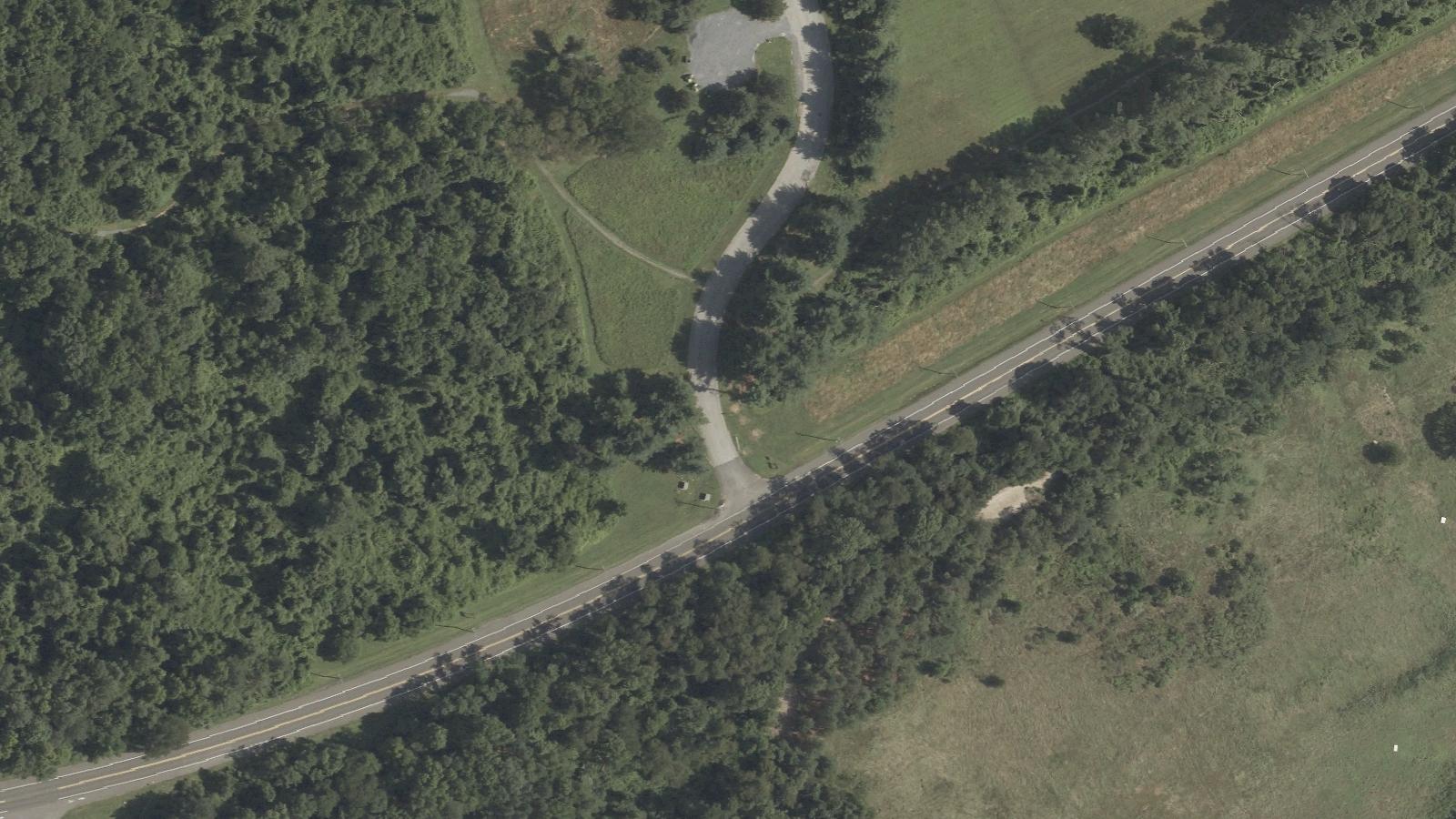
Delaware acquired the property in 1963 as New Castle County's population grew, establishing it as a public recreational area. Lums Pond is now the largest freshwater pond in Delaware at 189 acres, surrounded by 1,790 acres of parkland. The park offers boating, fishing, camping, and a multiuse trail system totaling 17 miles. The Whale Wallow Nature Center operates seasonally.
The Swamp Forest Trail — 7.5 miles circling the pond — takes hikers through wetland forest habitat characteristic of the mid-Atlantic coastal plain. An 8-mile Little Jersey Trail provides an alternative route.
Sources
- https://en.wikipedia.org/wiki/Lums_Pond_State_Park
- https://www.destateparks.com/park/lums-pond/
- https://wjbr.com/listicle/lums-pond-haunted-by-1980s-murder-case/
- https://www.onlyinyourstate.com/nature/delaware/lums-pond-de
- https://dnrec.delaware.gov/outdoor-delaware/unveiling-delawares-dark-secrets-exploring-the-haunted-fort-delaware-and-beyond/
Phantom voicesPhantom soundsCold spots
The paranormal lore attached to Lums Pond centers on the Swamp Forest Trail and a story that exists in at least two distinct versions.
The core narrative describes a young woman — a runaway from New Castle County — who entered the woods at Lums Pond seeking solitude. There she encountered a man who had been camping in the park, who assaulted and killed her. Police recovered the body but never identified her attacker; the case remains officially unsolved.
Where accounts diverge significantly is in the timeline. Some sources place the murder in the 1870s; others state it occurred in the early 1970s. The Shadowlands listing specified 'the early 70s' — consistent with the 1970s version. No newspaper archive or court record has been independently identified to anchor either date with documentation.
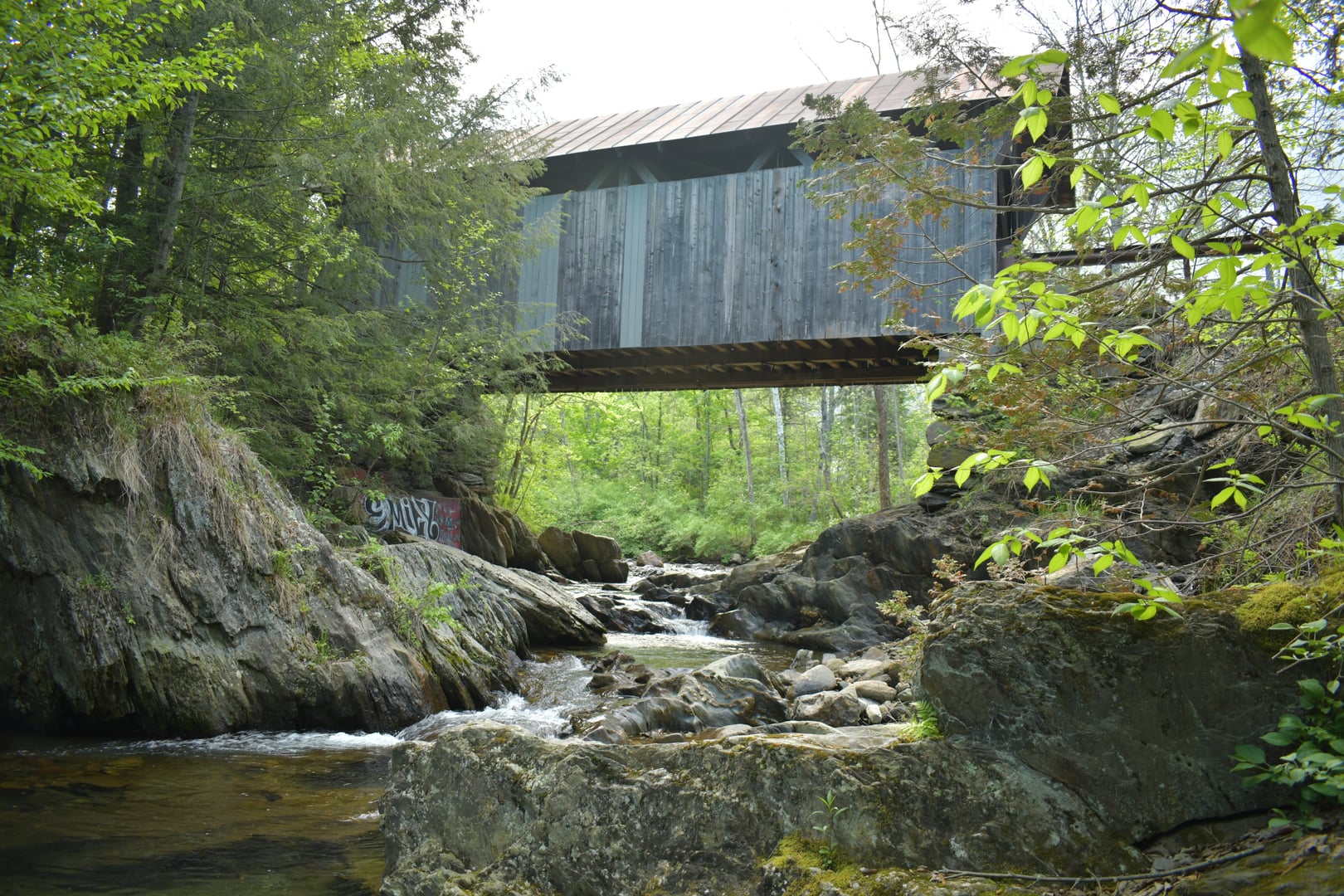
Visitors hiking the trail, particularly through the denser swamp forest sections, have reported a high-pitched pleading voice audible from the trees. Some describe muffled screaming. The phenomena are concentrated around the bridge sections of the trail according to multiple independent accounts — the same bridge areas where temperature drops have also been reported.
The park's official materials make no reference to this history. The legend circulates primarily through regional paranormal accounts and is classified as local folklore without independent historical corroboration.